 George Anjay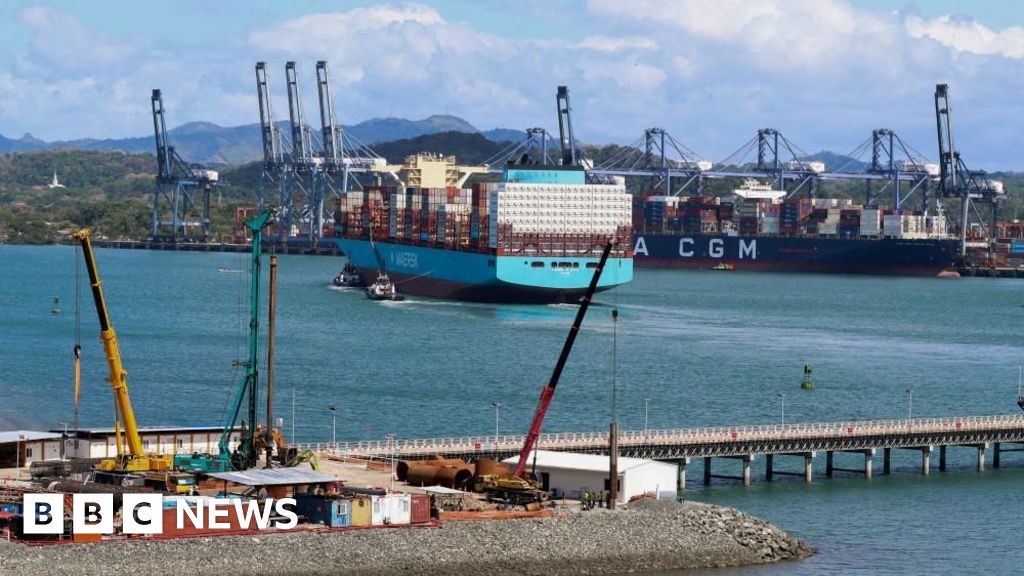
Hong Kong has lodged a formal and vehement protest with the Panamanian government following its forceful seizure of two critical container ports along the Panama Canal. The Hong Kong Special Administrative Region (HKSAR) government condemned the Panamanian authorities’ actions as a "blatant act" that not only undermined the fundamental principles of existing contractual agreements but also contravened established international trade rules. These ports, which have been under the operational management of the Hong Kong-headquartered multinational conglomerate CK Hutchison for over two decades, represent a significant strategic and economic asset. The dramatic takeover occurred after Panama’s Supreme Court, in a ruling last month, controversially annulled the long-standing contracts that permitted CK Hutchison to operate these vital container terminals. The court’s justification for this decision was that the contracts were deemed "unconstitutional."
This decisive action by Panama’s highest court has sent ripples of concern through international business and diplomatic circles, particularly given the context of broader geopolitical narratives surrounding the canal’s operations. The ruling followed a series of pronouncements and allegations, notably from United States President Donald Trump, who has repeatedly asserted that China exercises undue influence and control over the Panama Canal. Despite these persistent claims, there has been no public presentation of concrete evidence to substantiate the assertion that China is operating the canal in a manner that compromises its neutrality or international accessibility.
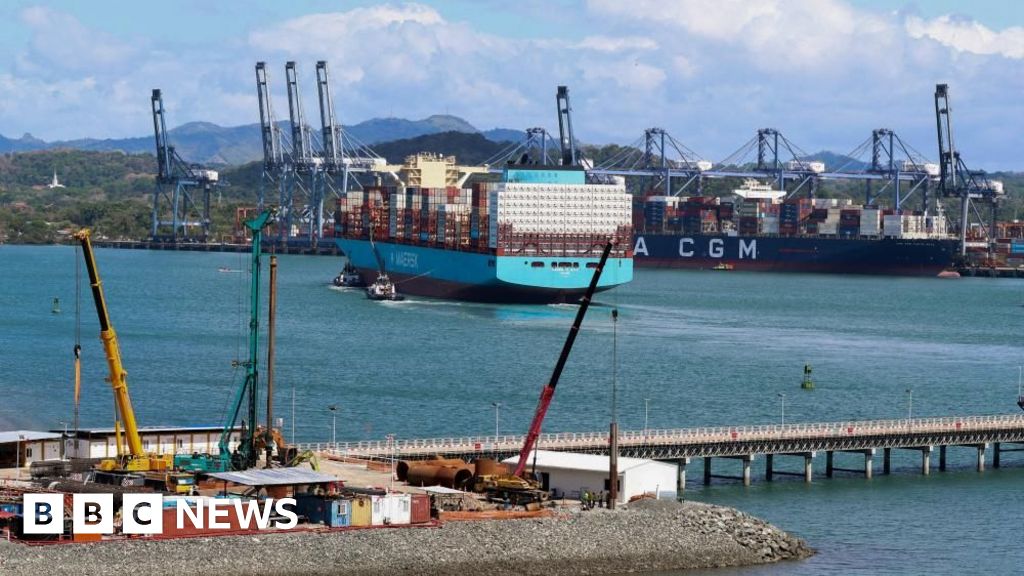
The potential ramifications of Panama’s seizure of the ports extend beyond the immediate dispute with CK Hutchison. Last year, the Hong Kong-based company had reached an agreement in principle to divest the majority of its stake in these two ports to a consortium led by the prominent US investment firm, BlackRock. This proposed sale was valued at an substantial $22.8 billion (approximately £20.75 billion). According to reports from the Reuters news agency, the abrupt intervention by the Panamanian government could now severely disrupt or even derail this major transaction, introducing significant uncertainty for all parties involved in the divestment process.
The backdrop to this escalating tension is inextricably linked to the persistent rhetoric from the Trump administration regarding China’s growing influence in strategic global infrastructure. President Trump has, on multiple occasions, voiced his conviction that the Central American waterway is effectively under Chinese dominion. During his presidential inauguration address in January of the previous year, he explicitly stated, "China is operating the Panama Canal and we didn’t give it to China. We gave it to Panama and we’re taking it back." This sentiment was echoed by then-US Secretary of State Marco Rubio in the subsequent month, who publicly urged Panama to implement "immediate changes" to address what he described as the "influence and control" exerted by China over the canal.
While there is no publicly available evidence to suggest that China directly operates the Panama Canal, the presence of Chinese companies within the canal’s ecosystem is undeniable and significant. Chinese firms have been involved in various infrastructure projects and port operations, contributing to the canal’s modernization and expansion efforts over the years. This substantial presence, coupled with China’s increasing role as a global trading partner, has seemingly fueled the concerns articulated by US officials.
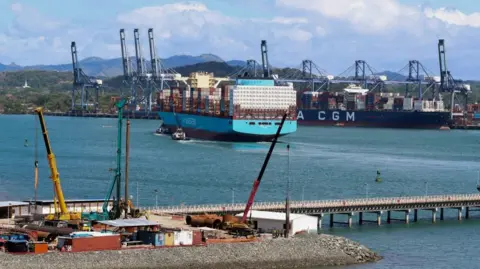
The Panama Canal itself is an engineering marvel and a linchpin of global maritime trade. Stretching approximately 51 miles (82 kilometers) across the Isthmus of Panama, it provides an indispensable shortcut, dramatically reducing transit times and costs for vessels navigating between the Atlantic and Pacific Oceans. Annually, an estimated 14,000 ships utilize this vital waterway. Its strategic importance cannot be overstated, as it facilitates approximately 5% of the world’s total maritime trade volume. The canal is managed and operated by the Panama Canal Authority (ACP), an autonomous agency of the Panamanian government, ensuring its neutral and efficient operation for all nations.
Recent data further illustrates the significant role China plays in the canal’s traffic. For the period spanning October 2023 to September 2024, China emerged as the second-largest user of the canal in terms of cargo volume, accounting for an impressive 21.4% of all transiting cargo. This figure places China just behind the United States, its traditional geopolitical rival, which historically represents the largest user of the waterway. This data underscores the canal’s critical importance to China’s global supply chains and its burgeoning maritime trade capabilities.
The HKSAR government’s "strong protest" signals a firm stance against what it perceives as an arbitrary and potentially politically motivated action by Panama. The seizure of ports operated by a Hong Kong-based company, particularly in the context of ongoing geopolitical tensions and trade disputes, raises serious questions about the stability of international investment environments and the adherence to contractual obligations in globally significant infrastructure. The dispute is likely to have far-reaching implications for international trade law, investor confidence, and the ongoing delicate balance of power and influence in critical global transit routes. The future of the $22.8 billion sale to BlackRock now hangs precariously in the balance, a stark indicator of the disruptive power of unilateral governmental actions in the interconnected world of international commerce.



 atisusanti
 Nakalama John
 Roy Suryo
 Nana Banana