Nana Banana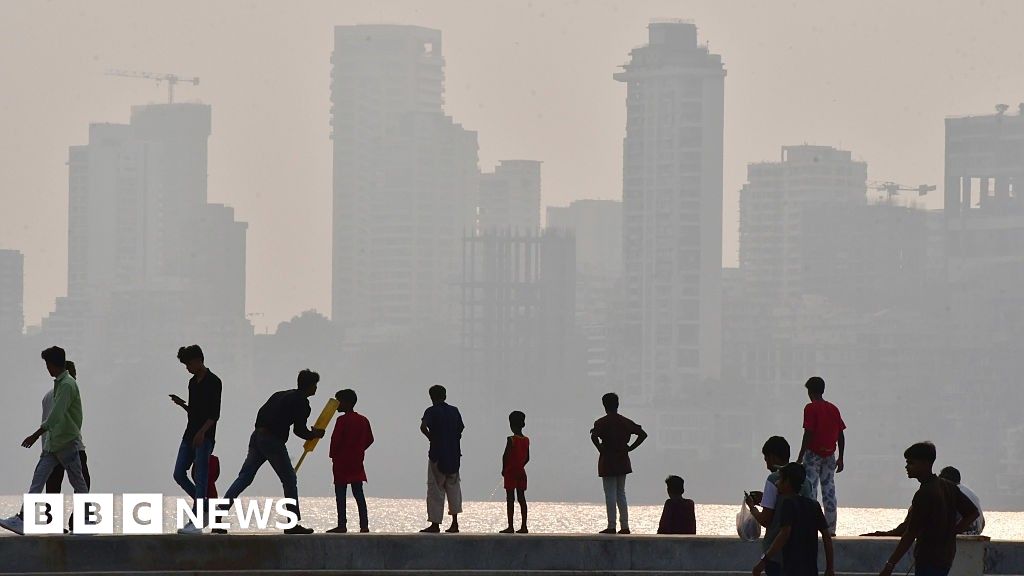
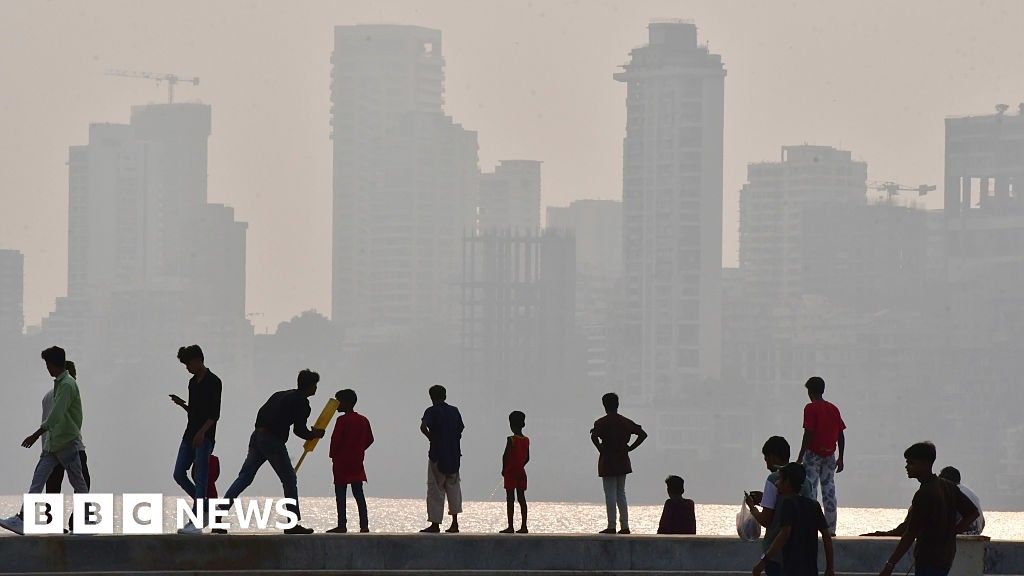
India is experiencing a profound and unsettling phenomenon: a gradual but significant loss of its natural sunlight. This diminishment, far from being a mere aesthetic change, signals a deeper environmental crisis with far-reaching consequences for the nation’s health, agriculture, and ambitious renewable energy goals. The vibrant hues of India’s skies are increasingly being veiled by a persistent haze, a tangible manifestation of its severe air pollution problem, now ranking among the world’s top 10 most polluted countries.
A recent comprehensive study conducted by a consortium of six Indian scientists has shed critical light on this issue. Published in Scientific Reports, a peer-reviewed journal from Nature Portfolio, the research reveals that over the past three decades, sunshine hours – the precise duration direct sunlight reaches the Earth’s surface – have steadily declined across the vast majority of India. This alarming trend is primarily driven by an intricate interplay of increased cloud cover, a surge in atmospheric aerosols, and shifting local weather patterns, all exacerbated by human activity.
The study meticulously analyzed data spanning from 1988 to 2018, collected from 20 strategically located weather stations across the diverse geographical expanse of India. The findings presented a consistent narrative: a nationwide, persistent decline in sunshine hours. Only the northeast region offered a mild, seasonal reprieve from this pervasive trend. The most precipitous annual declines were recorded in India’s northern inland regions, with major urban centers like Amritsar and Kolkata experiencing the steepest drops. Additionally, the ecologically sensitive Himalayan belt and the bustling west coast, particularly Mumbai, also showed significant reductions in their daily dose of direct solar radiation.
Across all nine of India’s geographically distinct regions, an overall annual decline in sunshine hours was observed, though the rate of decrease varied, reflecting regional differences in pollution sources and meteorological conditions. A detailed monthly analysis further illuminated seasonal variations, revealing notable increases in sunshine hours from October to May, followed by sharp and consistent drops from June to July in six of the nine regions. This pattern aligns with India’s monsoon cycle, where extensive cloud cover is naturally prevalent. However, the study suggests that even these natural seasonal variations are now intertwined with, and potentially intensified by, the deeper, more insidious problem of air pollution.
India’s severe air pollution crisis, which scientists trace back to the rapid economic and industrial expansion of the 1990s, is at the heart of this "sunshine theft." Decades of aggressive urbanization, unchecked industrial growth, and profound land-use changes have dramatically escalated the use of fossil fuels, leading to soaring vehicle emissions and widespread biomass burning. These activities pump vast quantities of aerosols – microscopic solid or liquid particles – into the atmosphere. These aerosols, originating from sources ranging from dust and vehicle exhaust to industrial emissions and agricultural stubble burning, are highly effective at scattering and absorbing sunlight, thus preventing it from reaching the ground.
During India’s winter months, the problem intensifies dramatically. The Indo-Gangetic plains, a highly populated and agriculturally productive region, becomes a vast basin for pollution. High air pollution levels, dense smog, frequent temperature inversions (which trap pollutants close to the surface), and extensive crop burning activities combine to produce a thick atmospheric blanket of light-scattering aerosols. This dense layer significantly reduces sunshine hours, transforming what should be clear, crisp winter days into hazy, dim periods.
Conversely, the sharp drop in sunlight during June and July is primarily attributable to the monsoon clouds that blanket much of India. While aerosol levels may be comparatively lower during these months due to rain washing them out, the sheer volume and density of monsoon clouds inherently block direct sunlight. However, even this natural phenomenon is not entirely independent of pollution. Scientists, like Manoj Kumar Srivastava, a professor of geophysics at Banaras Hindu University and one of the study’s authors, highlight a crucial connection: "Our study found that shrinking sunshine hours are linked to clouds that linger longer without releasing rain, blocking more sunlight. These longer-lasting clouds form indirectly due to aerosols that alter weather and climate." Aerosols can act as cloud condensation nuclei, leading to more numerous but smaller cloud droplets, which can affect a cloud’s reflectivity, longevity, and precipitation efficiency.
It’s important to note that higher sunshine hours observed from October to May do not necessarily indicate cleaner air. Instead, they often reflect simply more cloud-free days. The quality and intensity of that sunshine are compromised. Hazy winter sunlight, while recorded as "sunshine hours" by instruments, is often scattered or diffused by pollutants, significantly lowering its intensity and spectral quality, even if it’s not entirely blocked.
The atmospheric impact of this pollution is quantifiable. According to Sachchida Nand Tripathi, an atmospheric scientist at the Indian Institute of Technology (IIT) Kanpur, aerosols have reduced the amount of sunlight reaching the ground in India by approximately 13%. Furthermore, clouds, potentially influenced by these same aerosols, accounted for an additional 31-44% drop in surface solar radiation between 1993 and 2022. This combined reduction in solar radiation has profound implications across multiple sectors.
One of the most immediate concerns is the potential impact on India’s burgeoning solar energy sector. Solar power currently constitutes a significant 47% of India’s renewable energy capacity, and the government has set an ambitious target of achieving 500GW of renewable energy by 2030, with over 100GW of solar already installed by early 2025. However, the persistent decline in available sunlight casts a considerable shadow over these aspirations. Professor Tripathi’s research indicates that air pollution can reduce solar panel output by a substantial 12-41%, depending on the type of photovoltaic system, leading to an estimated economic loss of $245-835 million in lost power generation annually. Conversely, cleaner air could dramatically boost India’s annual solar energy production by an impressive 6-28 terawatt hours of electricity – enough to power millions of homes for an entire year. The strategic placement of solar farms and the development of pollution-resistant technologies become paramount in this dimming landscape.
Beyond energy, the agricultural sector, the backbone of the Indian economy, is also suffering a heavy toll. Air pollution is estimated to cause a devastating 36-50% loss in crop yields, particularly for staple crops like rice and wheat, in the country’s most polluted regions. Reduced sunlight directly impacts photosynthesis, the fundamental process by which plants convert light energy into chemical energy for growth. Dimmed skies can also alter local temperature regimes and increase plant stress, further exacerbating yield losses.

India’s predicament is not entirely unique. The phenomenon of "global dimming," where the Earth’s surface receives less direct sunlight, has been observed in various parts of the world due to rising air pollution and shifting weather patterns. A study published in Atmospheric Chemistry and Physics noted that Europe likely experienced reduced sunlight between 1970 and 2009 due to air pollution. In Germany, sunshine hours decreased by approximately 11% from 1951 to 1980, primarily attributed to industrial gas emissions and associated cloud formation. Similarly, China, during its period of rapid industrialization from the 1960s to the 2000s, experienced a significant decline in sunshine hours, with variations across cities depending on local pollution levels.
The good news, globally, is the trend of "global brightening," a reversal of dimming observed since the 1980s. New analysis of satellite data from 1984 to 2018 appears to confirm this, showing that the effect is strongest over land and in the Northern Hemisphere. This brightening is largely attributed to falling aerosol levels in developed countries during the 1980s and 1990s, driven by stricter air quality regulations, alongside shifts in cloud patterns.
However, the bad news is that heavily polluted nations like India are largely missing out on this global brightening trend. While other parts of the world are slowly reclaiming their blue skies and intense sunshine, India’s skies remain perpetually veiled. If the Sun continues to hide behind a persistent curtain of smog and pollution, India risks not only compromising its economic growth and public health but also running on fumes instead of harnessing its full, abundant solar potential. The urgent need for robust, comprehensive, and sustained policies to tackle air pollution is not just an environmental imperative, but an economic and developmental necessity for India to reclaim its stolen sunshine.




 George Anjay
 Ramos Leo
 Nakalama John

 atisusanti