Nakalama John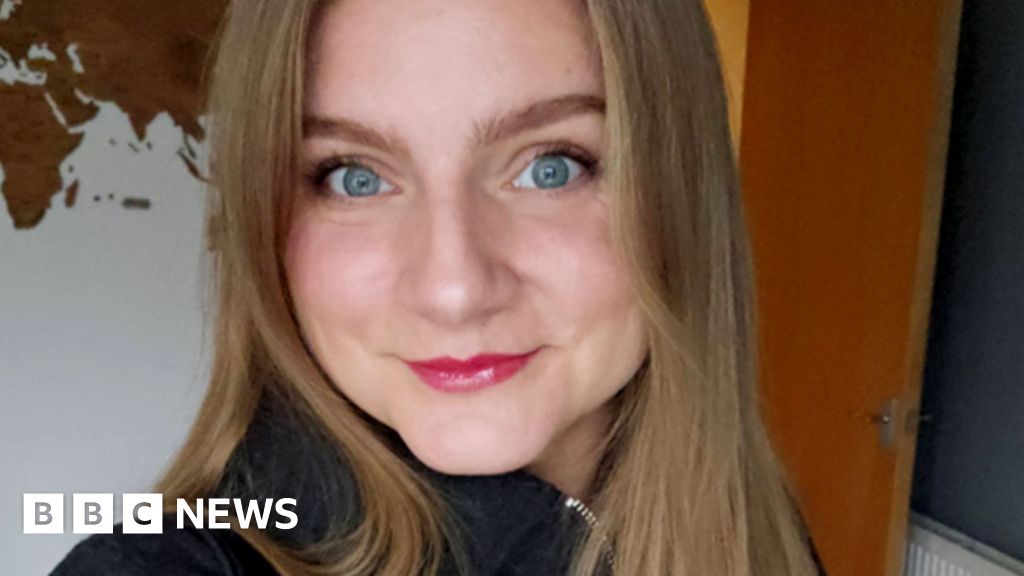
A new set of UK immigration regulations, set to take effect on February 25th, is causing a significant scramble and considerable distress among British dual nationals. These changes are poised to fundamentally alter how individuals holding both British and another nationality can enter the UK, sparking a wave of anxiety and a rush for new documentation. For many, like Jelena, a British-Latvian dual national, the impending deadline threatens to complicate their lives, potentially leaving them stranded outside the country they call home.
Jelena, who has resided in the UK for 16 years, is currently planning a "holiday of a lifetime" across South America. However, her return journey is now clouded by uncertainty, as she faces the prospect of being denied entry to the UK due to these unforeseen changes. She is one of countless dual citizens who claim to have been caught off guard by the new requirements, which are part of a broader government initiative to streamline and modernise the UK border. While the government frames these as necessary reforms, Jelena and others view them as a "betrayal" of their commitment to the UK, sparking anger and deep concern about their right to return.
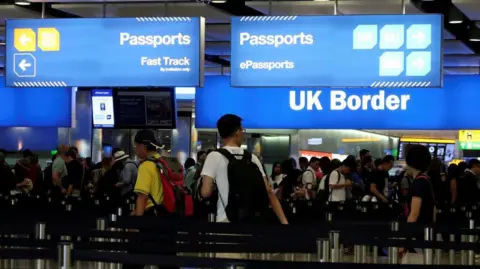
Under the previous system, a British dual national whose other citizenship was from a country not subject to UK visa requirements could seamlessly travel to the UK using their foreign passport. This was a common and convenient practice for many, especially those from EU member states who enjoyed freedom of movement prior to Brexit, and subsequently maintained their dual status. However, come February 25th, this established practice will cease. Dual nationals will now be required to present either a valid British passport or a new digital certificate of entitlement, which must be affixed or linked to their second nationality passport. Without one of these specific documents, they could face being refused permission to board flights or other transport back to the UK, regardless of their undeniable British citizenship.
Crucially, neither British passports nor certificates of entitlement are automatically issued upon obtaining British citizenship. This means that a significant portion of dual nationals, some of whom have lived and contributed to the UK for decades, may never have applied for these specific documents, having relied on their foreign passports for entry. The process of acquiring these documents is not only time-consuming but also costly. An adult British passport currently costs approximately £100, while the certificate of entitlement, a digital endorsement for their foreign passport, comes with a hefty price tag of £589. Both documents typically require several weeks, if not months, to process, creating an immediate logistical nightmare for those with imminent travel plans.
These new rules are intrinsically linked to the phased rollout of the Electronic Travel Authorisation (ETA) system, a cornerstone of the UK’s new immigration framework. The ETA system, which commenced its phased introduction in late 2023, requires visitors to the UK from non-visa-exempt countries to apply for a £16 digital entry permit before their journey. While the ETA is designed for non-British visitors, dual nationals cannot apply for it because they are, by definition, British citizens. This distinction necessitates the new, stricter documentation requirements for them, with airlines now tasked with verifying these documents before departure to the UK. It is important to note that these rules do not apply to Irish passport holders, who retain their unique status under the Common Travel Area agreement, but they do impact all other EU citizens who also hold British nationality.

According to the latest 2021 census data, the number of UK-other dual citizens is substantial: 1.2% of UK-born residents (approximately 587,600 people) and a more significant 6.5% of non-UK-born residents (around 648,700 people). This demographic includes individuals who gained British citizenship through naturalisation after living in the UK for many years, those born to British parents abroad, or individuals who acquired a second nationality later in life. The breadth of this population underscores the potential for widespread disruption and concern.
The government has defended these reforms, asserting that they bring the UK’s immigration system into alignment with other major nations such as the United States, Canada, and Australia, which similarly require their citizens to enter on their national passports. This harmonisation is presented as a step towards a more secure and efficient border management system. However, critics argue that the implementation has been severely flawed, particularly concerning the lack of adequate communication and the tight deadline. This has left many people scrambling, with dual nationals currently abroad on holiday or visiting family facing the terrifying prospect of being stranded until they can obtain the necessary documents, which is often a complex process from overseas.
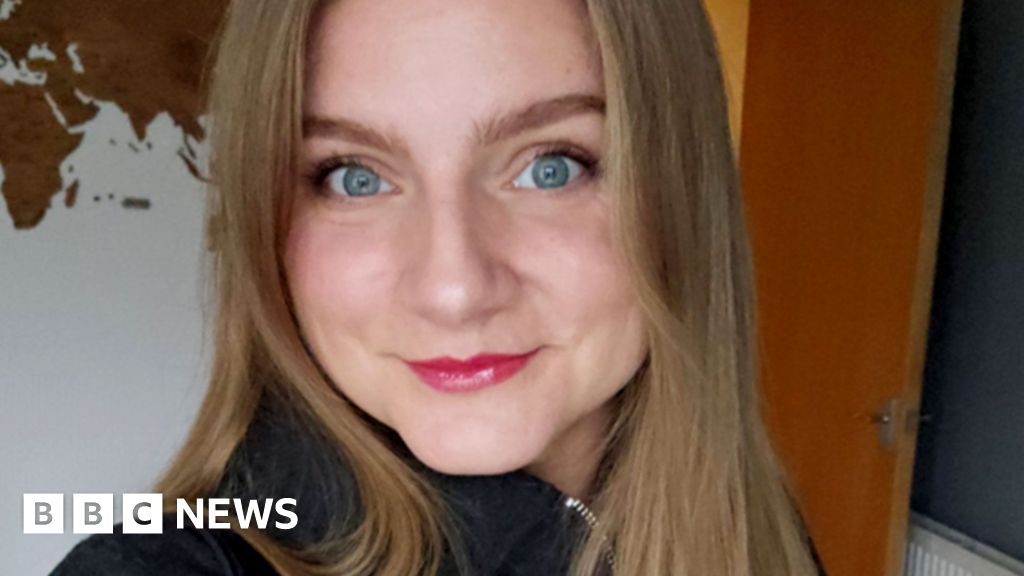
Jelena’s personal experience vividly illustrates the impact. Having been born in Latvia, she has made the UK her home since coming to study, becoming a British citizen in November. She delayed applying for a British passport at the time because she was travelling to see family for Christmas and could not surrender her Latvian passport, which is often a requirement during the application process. Learning of the new rules only recently, Jelena is now in a predicament. She is due to embark on a long-planned trip to South America in a few weeks and cannot apply for a British passport immediately for fear of not receiving it in time for her departure. "As it stands, after South America, I won’t be able to return to my flat [in Glasgow], which my husband and I own, in the country I have lived in for nearly 16 years, studied in and paid taxes," she shared with BBC Your Voice, her frustration palpable. Jelena now intends to alter her travel plans, returning to Latvia after her South American adventure to apply for a British passport from there, potentially facing a wait of several weeks or even months. "I’m lucky that my employer is flexible about me working from abroad – if that wasn’t the case, I wouldn’t have a job because of this," she added. The irony of her situation is not lost on her: "If I hadn’t applied for citizenship and just had an EU passport, I would be in a better situation than I am now. The irony is that I’ve chosen to be part of this country but it feels like I’m being deported. It feels like a betrayal."
Petra Gartzen, a UK-German dual national who has called the UK home for four decades, echoes Jelena’s sentiments, expressing her fury at the perceived lack of official communication. Currently spending a few months in Spain for the winter, she is frantically trying to secure the necessary documentation to return. "They changed the rules when I was already in Spain. There was no lead up, no major announcement – I found out about it from a Facebook post, and just thought, now what?" she told BBC News. While the government asserts that publicly available information about the changes has been in circulation since October 2024, critics contend that this information has failed to reach the vast majority of affected individuals.
Petra was informed that she would need to travel from southern Spain to Madrid for an in-person appointment to apply for the "ridiculously expensive" certificate of entitlement while outside the UK, adding significant travel costs and logistical hurdles to an already stressful situation. Instead, she has applied for a UK passport from Spain, a process that presented its own complications. "They agreed to accept a notarised copy of my German passport so I did not have to send that off, but they also wanted my original citizenship certificate – which I don’t have, it’s in the UK," she explained, highlighting the bureaucratic maze. Petra now endures a "nervous wait" to see if the documentation she was able to provide will be accepted and processed in time for early March, when she is due to travel back to the UK before an important work trip to the US. She feels profoundly let down by the manner in which these changes have been introduced. "I’ve been a British citizen since 2019. The UK is my home – I’ve lived there for 40 years, I own a home, I work and pay tax. My whole life is there."
Campaign group the3million, which advocates for EU citizens in the UK, has been vocal in its criticism of the government’s communication strategy. Monique Hawkins, the group’s head of policy and advocacy, stated, "The Home Office has not done enough to warn dual nationals of the serious impact this will have on them." She has urgently called on the government to "hit the pause button" on these changes and introduce a "low-cost, one-off travel authorisation" for dual nationals whose travel plans have been disrupted through no fault of their own. This would provide a temporary solution for those currently caught in the limbo of processing times and unforeseen travel complications.
In response to the growing concerns, a Home Office spokesperson reiterated its position: "Public information advising dual nationals to carry the correct documentation has been available since October 2024 and a substantive communications campaign about the introduction of ETA has been running since 2023. This requirement applies to all British citizens regardless of other nationality and is the same approach taken by other countries, including the United States, Canada and Australia."
As the February 25th deadline looms, the tension between government policy aimed at border modernisation and the very real, often emotional, impact on individual lives continues to escalate. For many British dual nationals, the impending changes represent not just a bureaucratic hurdle, but a profound challenge to their sense of belonging and their fundamental right to return to the country they call home. The scramble for passports and certificates of entitlement will undoubtedly continue, with many hoping for greater flexibility or a grace period to navigate these significant new requirements.


 George Anjay
 Ramos Leo
 Roy Suryo
 atisusanti