Roy Suryo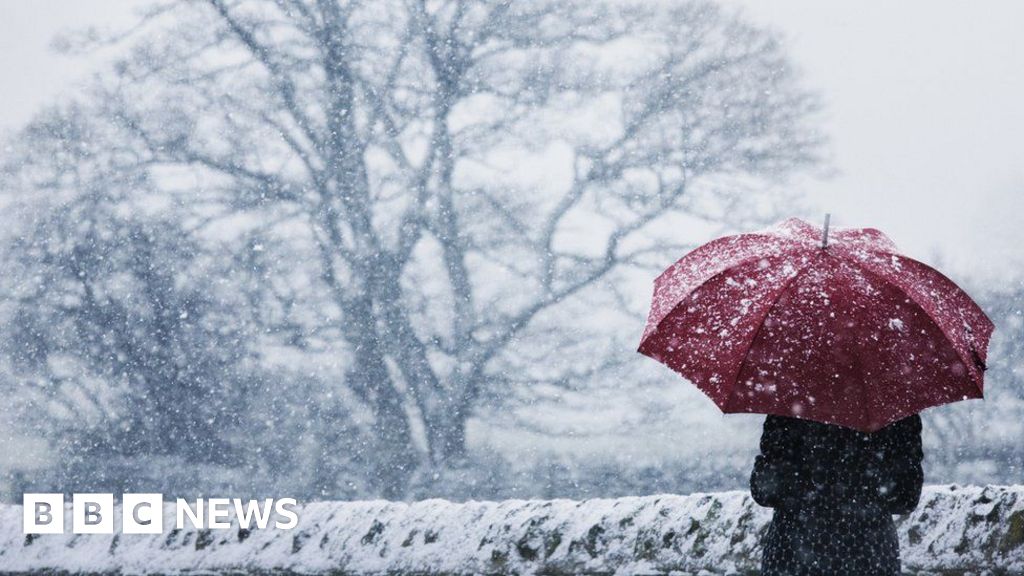
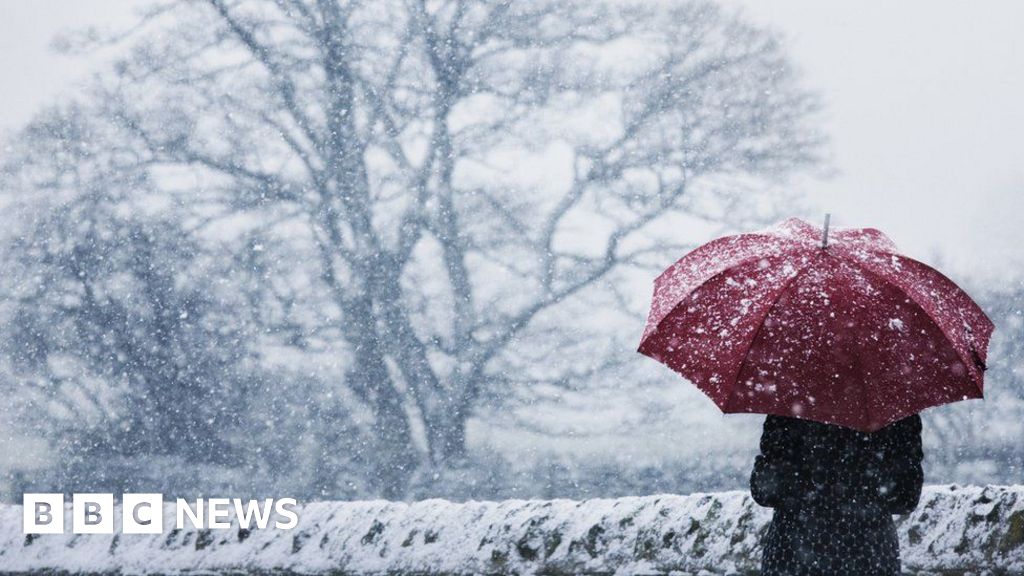
A yellow cold health alert has been issued for several regions across England, including the East Midlands, North East, North West, West Midlands, and Yorkshire and The Humber. This alert signifies that the UK Health Security Agency (UKHSA) has identified a potential risk to individuals who are particularly vulnerable to cold weather, such as the elderly and those with pre-existing health conditions. The alert is scheduled to be in effect from 0800 on Friday, 13 February, until 0800 on Monday, 16 February.
The weather alert system, a collaborative effort between the UKHSA and the Met Office, is designed to encompass England and plays a crucial role in mitigating the adverse health impacts of extreme temperatures. Operating on a seasonal basis, cold health alerts are issued between November 1 and March 30, while their counterparts, heat health alerts, are active from June 1 to September 30. The overarching objective of this system is to reduce the incidence of illness and mortality during periods of extreme weather conditions. Beyond public dissemination, the alert system also provides direct guidance to vital sectors, including NHS England, government bodies, and healthcare professionals, ensuring a coordinated response to adverse weather events. The alerts are meticulously categorized based on their severity, ranging from the least concerning to the most critical.
The different alert levels are determined by meticulous analysis of Met Office forecasts and associated data. These levels are structured on a scale from green, representing the least severe conditions, to red, indicating the most critical situations.
Green Alert: This is considered the baseline or normal level. During a green alert, general advice is provided to the public on how to prepare for and respond to potential temperature fluctuations, whether they be rising or falling. This level focuses on proactive measures and preparedness.
Yellow Alert: Yellow alerts are issued when periods of hot or cold weather are anticipated that pose a risk primarily to vulnerable populations. This includes individuals who are elderly, those with chronic health conditions, or anyone with compromised immune systems. The focus here is on protecting those most susceptible to the effects of extreme temperatures.
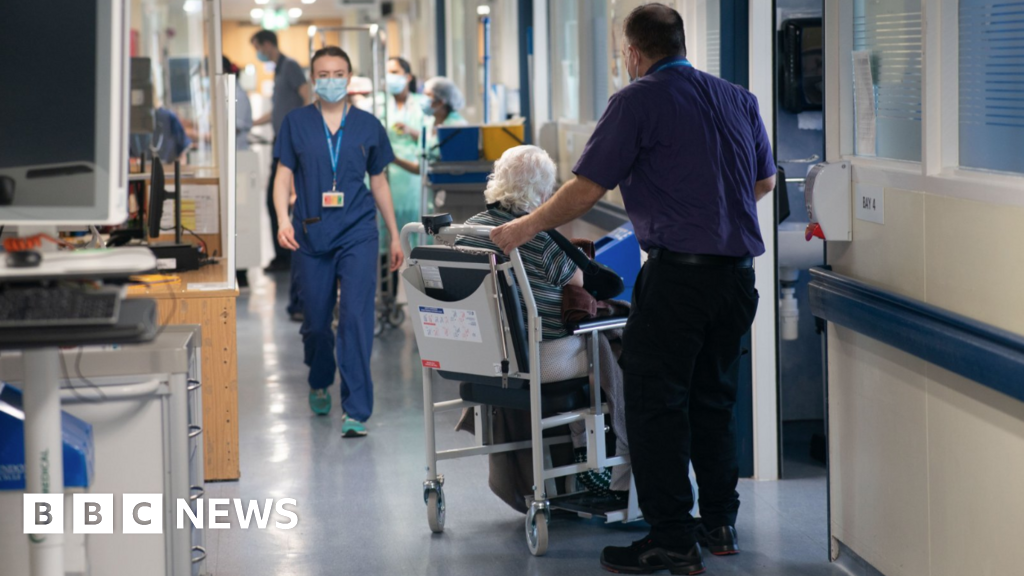
Amber Alert: This level signifies a more significant concern, where the anticipated weather conditions could potentially affect the entire population. During an amber alert, the National Health Service (NHS) might experience an increased demand for services, such as a rise in the number of GP appointments and ambulance call-outs. Furthermore, amber alerts often coincide with a likelihood of travel disruptions, impacting transportation networks and potentially leading to delays or cancellations.
Red Alert: The red alert represents the most severe category within the weather health alert system. It is triggered when hot or cold weather conditions pose a substantial and significant risk to life, even for individuals who are generally healthy. In such extreme scenarios, there is also a potential for widespread failures of critical national infrastructure. This could manifest as power outages, the closure of major road networks, or the disruption of rail services, underscoring the profound impact such weather can have on societal functioning.

The detrimental effects of cold weather on the human body are multifaceted and well-documented. During the winter months, the prevalence of respiratory infections, such as influenza and other common cold and sore throat ailments, tends to increase due to the easier transmission of viruses in colder conditions. Furthermore, cold weather can exacerbate existing respiratory conditions and make individuals more susceptible to infections like pneumonia, which involves inflammation of the lungs often triggered by infection. The norovirus, commonly known as the winter vomiting bug, also typically sees a surge in cases during this period.
To illustrate the physiological impact of cold, presenter James Gallagher underwent an experiment where the ambient temperature in a room was reduced from 21°C to 10°C over a 30-minute period. The findings were striking: his blood flow to the brain decreased, his blood pressure and heart rate elevated, and the temperature of his extremities – his arms, legs, and head – dropped significantly. He also experienced a notable slowdown in his ability to complete a series of cognitive puzzles.
Professor Bailey explains that 18°C is considered a critical threshold for the human body. Below this temperature, the body must expend considerable energy to maintain its core temperature. This increased metabolic demand is one of the primary reasons why cardiovascular events, such as heart attacks and strokes, become more common during the winter months. When it becomes challenging to maintain indoor room temperatures at or above 18°C, Professor Bailey offers practical advice for mitigating the effects of cold. This includes wearing warm clothing, such as gloves, thick socks, and woolly hats, consuming a diet richer in carbohydrates to provide sustained energy, and actively moving around to generate more body heat. These measures, combined with the information provided by the cold health alert system, are essential for protecting public health during periods of extreme cold. The alerts serve as a vital communication tool, enabling individuals and institutions to take appropriate precautions and safeguard well-being when the weather poses a significant threat.



 Ramos Leo
 atisusanti
 Nakalama John
 George Anjay