
 Roy Suryo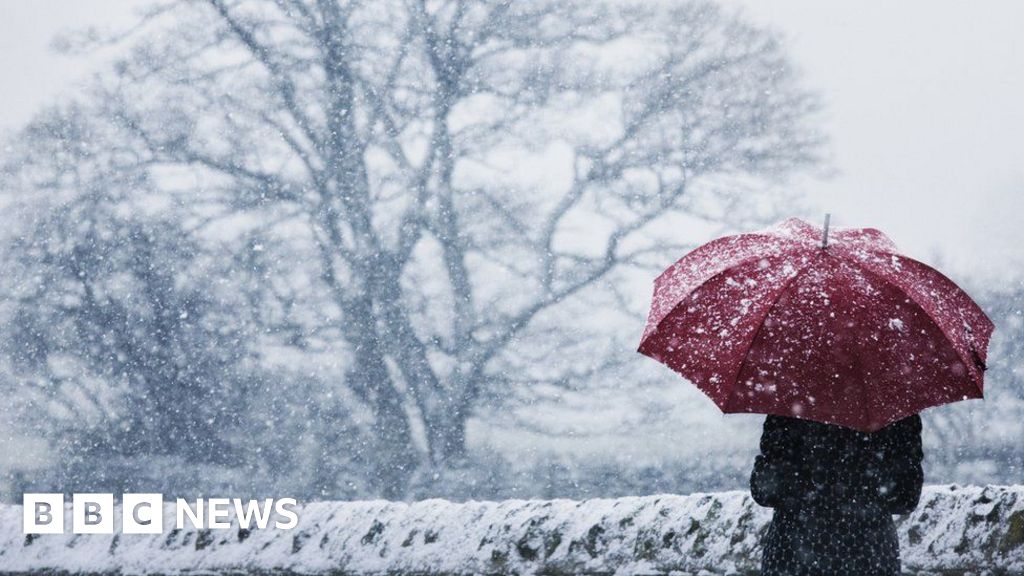
A yellow cold health alert has been issued for most of England, as freezing winds, ice, and wet weather continue to grip the nation. This alert signifies that the UK Health Security Agency (UKHSA) believes the prevailing weather conditions pose a tangible risk to individuals who are particularly vulnerable. This includes groups such as the elderly, infants, and those with pre-existing chronic health conditions that can be exacerbated by cold temperatures. The regions currently affected by this alert encompass the East Midlands, the East of England, the North East, North West, West Midlands, Yorkshire and the Humber, and the South West of England. The advisory period for this specific alert is scheduled to be in effect from 18:00 GMT on Tuesday, 17 February, through to 18:00 on Friday, 20 February.
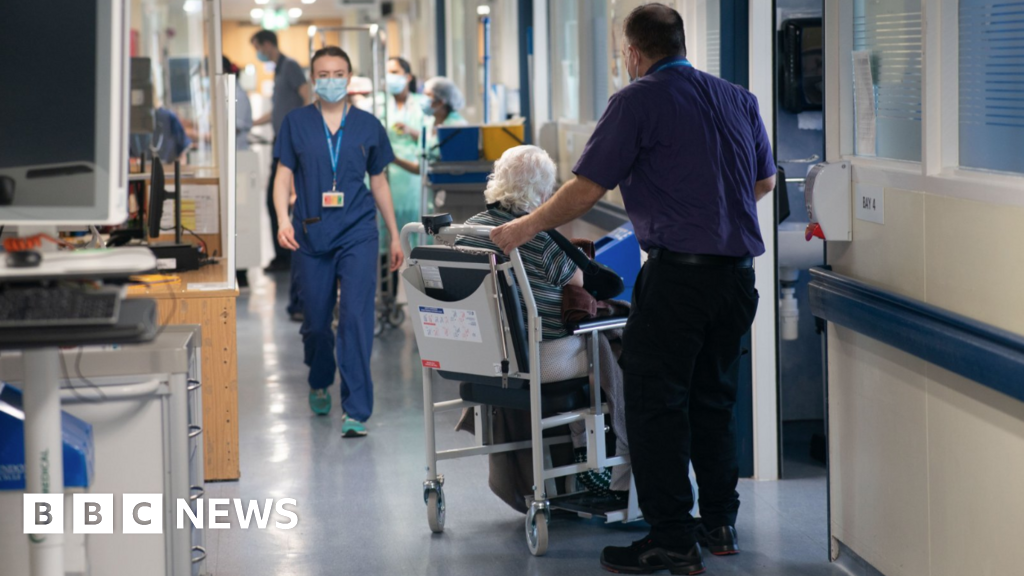
The sophisticated weather alert service, which covers England, operates through a collaborative effort between the UKHSA and the Met Office, a national meteorological service. This system is specifically designed to be activated during periods of extreme temperatures, issuing cold health alerts between November 1 and March 30, and conversely, heat health alerts between June 1 and September 30. The overarching objective of this coordinated system is to proactively mitigate the incidence of illness and prevent premature deaths during these challenging climatic periods. Beyond disseminating crucial warnings to the general public, the alert system also channels tailored guidance directly to key stakeholders, including NHS England, governmental bodies, and healthcare professionals, ensuring they are well-prepared to respond to adverse weather events. The alerts are meticulously categorised based on their severity, employing a tiered system to effectively communicate the potential impact on public health.
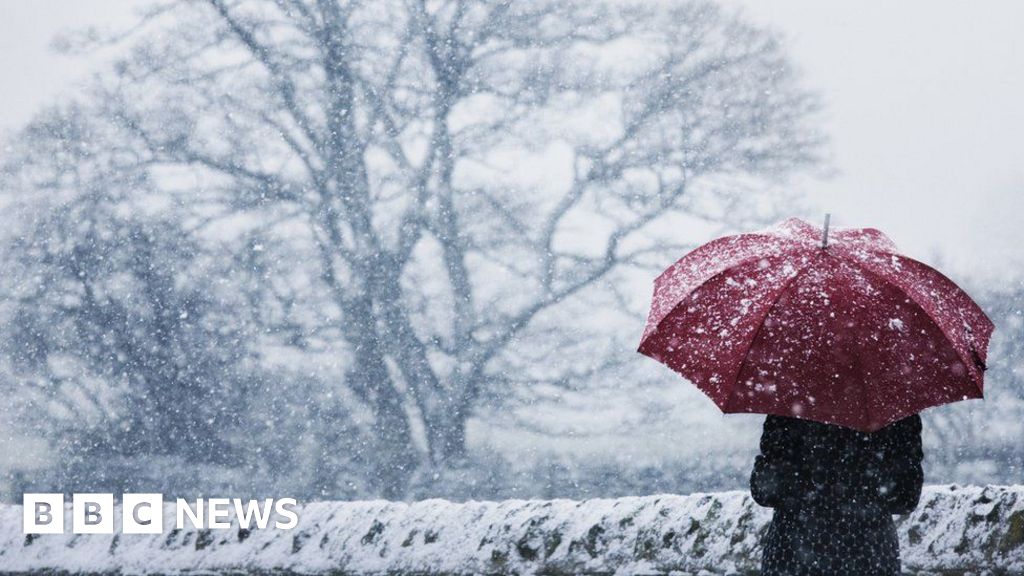
The precise level of an alert is determined by a comprehensive analysis of Met Office forecasts and real-time weather data. This robust system features four distinct levels, ranging from the least severe ‘green’ to the most critical ‘red’ designation. The ‘green’ level represents the baseline, indicating normal conditions where general advice is provided on how individuals can best prepare for potential future shifts in temperature, whether it be an increase or decrease. A ‘yellow’ alert is triggered during periods of hot or cold weather that are anticipated to primarily affect those most susceptible to temperature extremes. This includes individuals who are elderly, have chronic health conditions, or are very young. The implications at this level are focused on increased risk for these vulnerable groups.
Moving to a ‘amber’ alert, this signifies situations where the prevailing weather conditions could potentially pose a risk to the entire population, not just the most vulnerable. At this stage, the National Health Service (NHS) might experience a noticeable surge in demand, with increased calls to GPs and a higher volume of ambulance services being dispatched. Furthermore, ‘amber’ alerts often foretell the likelihood of travel disruption, impacting road and rail networks due to severe weather. The ‘red’ alert represents the most severe category within the system. It is issued when hot or cold weather conditions are deemed a significant and immediate risk to life, even for individuals who are otherwise healthy. This level also indicates the potential for widespread failures of critical national infrastructure. Such failures could manifest as prolonged power outages, the closure of major road networks, or significant disruptions to rail services, underscoring the critical nature of the situation.
The underlying science behind these alerts highlights the profound impact that cold weather can have on the human body. During winter months, viruses responsible for common colds, flu, and sore throats tend to circulate more readily. Cold temperatures can also weaken the immune system, making individuals more susceptible to infections like pneumonia, which involves inflammation in the lungs. The prevalence of norovirus, often referred to as the "winter vomiting bug," also tends to increase during colder periods. To illustrate the physiological effects of cold, presenter James Gallagher participated in an experiment where he spent 30 minutes in a room where the air temperature dropped from a comfortable 21°C to a chilling 10°C. The results of this experiment were striking: his blood flow to the brain decreased, his blood pressure and heart rate escalated, the temperature of his extremities – including his arms, legs, and head – significantly dropped, and his ability to complete simple puzzles was noticeably impaired, taking substantially longer than usual.

Professor Bailey, a leading expert in the field, has identified 18°C as a critical threshold for human health. Below this temperature, the body must expend considerable energy to maintain its core temperature. This increased physiological strain is a significant contributing factor to the higher incidence of heart attacks and strokes observed during the winter months. When it is not feasible to maintain indoor temperatures at or above 18°C, Professor Bailey offers practical advice to help individuals stay warmer and healthier. This includes wearing layers of warm clothing, such as gloves, thick socks, and a woolly hat, to trap body heat. He also suggests consuming a diet richer in carbohydrates, which provide sustained energy, and actively generating more body heat through regular movement and physical activity. These recommendations aim to empower individuals to better manage their health and well-being during periods of cold weather, complementing the vital early warnings provided by the cold health alert system. The system’s multi-layered approach, from meteorological forecasting to public health guidance and infrastructure preparedness, underscores its importance in safeguarding communities against the dangers of extreme temperatures.



 Ramos Leo
 atisusanti
 Nakalama John
 Nana Banana