
 Nakalama John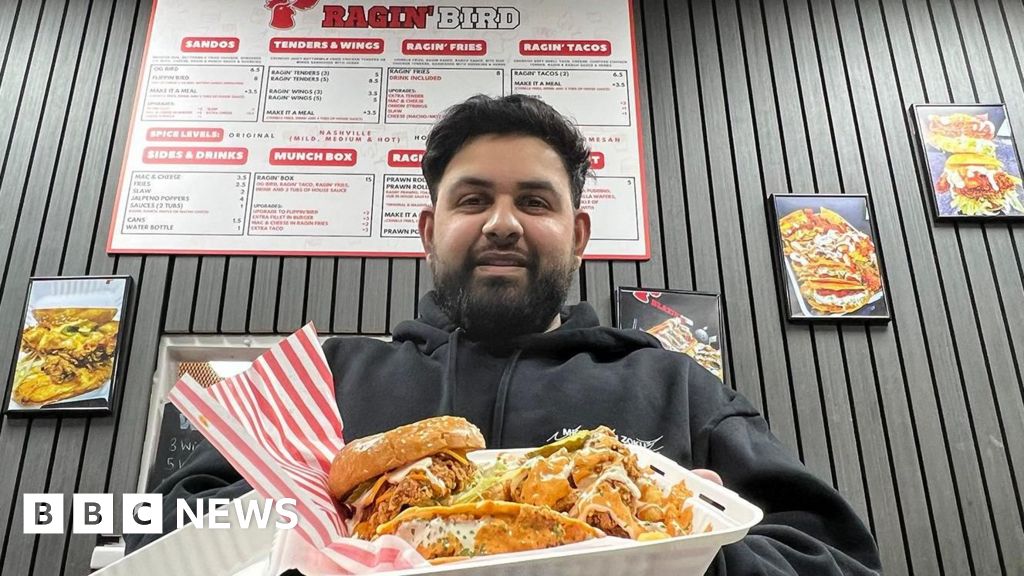
The irresistible allure of US-style fried chicken is igniting a culinary revolution across Britain, fundamentally reshaping its takeaway landscape. Sumayyah Zara Sillah, a 19-year-old nursing student, exemplifies this burgeoning passion. Her eyes light up as she clutches a takeaway box brimming with golden-coated Nashville-style hot tenders, glistening with sauce. "I try to be healthy," she admits with a smile, savouring her order from Leicester’s Ragin’ Bird, "But I like it so much." Sumayyah’s delight is echoed by a generation captivated by the vibrant, often neon-lit online videos of American fried chicken joints that have flooded platforms like TikTok for years. This youth-driven obsession isn’t confined to digital screens; it’s physically manifesting on British high streets, with fried chicken shops proliferating at an unprecedented rate, outpacing all other fast-food outlets. The question now looms large: what does this rapid ascent of crispy chicken signify for the cherished, traditional British takeaway establishments?
The phenomenon’s grip is undeniable, largely fuelled by its sensory appeal and social media virality. Till, a 33-year-old digital creator based in Bristol, is a testament to this, regularly posting food reviews across various cuisines on TikTok, though fried chicken remains her undisputed speciality. "It’s the crunch, it’s the visuals, it’s the sauce, it’s the different ways you can have it," Till explains, articulating the multifaceted charm that makes it "instantly satisfying content." She highlights its pervasive presence: "How can you escape fried chicken when there’s literally a pizza place selling fried chicken? The Italian up the road from me, they sell fried chicken as a side." This observation underscores how deeply embedded fried chicken has become, transcending its original fast-food niche to permeate diverse menus across the country. The sheer versatility, from classic Southern fried to spicy Nashville hot, Korean fried chicken, and innovative wraps or burgers, offers an endless array of flavour profiles and textures that keep consumers engaged and coming back for more.
The data unequivocally supports this narrative of rapid expansion. According to Meaningful Vision, an analytics firm meticulously tracking the UK food industry, the number of chicken shops experienced a robust 7.2% year-on-year increase. This growth significantly outstrips that of other takeaway sectors, which saw a modest 1.7% rise. This explosive growth is largely attributable to a younger demographic. Market research firm Mintel reveals that in 2025, a striking 52% of Gen Z fast-food consumers and 47% of Millennial fast-food consumers reported having patronized a chicken shop in the past year. This contrasts sharply with 39% across all fast-food consumers, highlighting the generational divide in dining preferences. This demographic gravitates towards fried chicken not only for its taste but also for its affordability, its suitability for casual dining experiences, and its highly shareable aesthetic on social media, making it a perfect fit for the digital-native lifestyle.
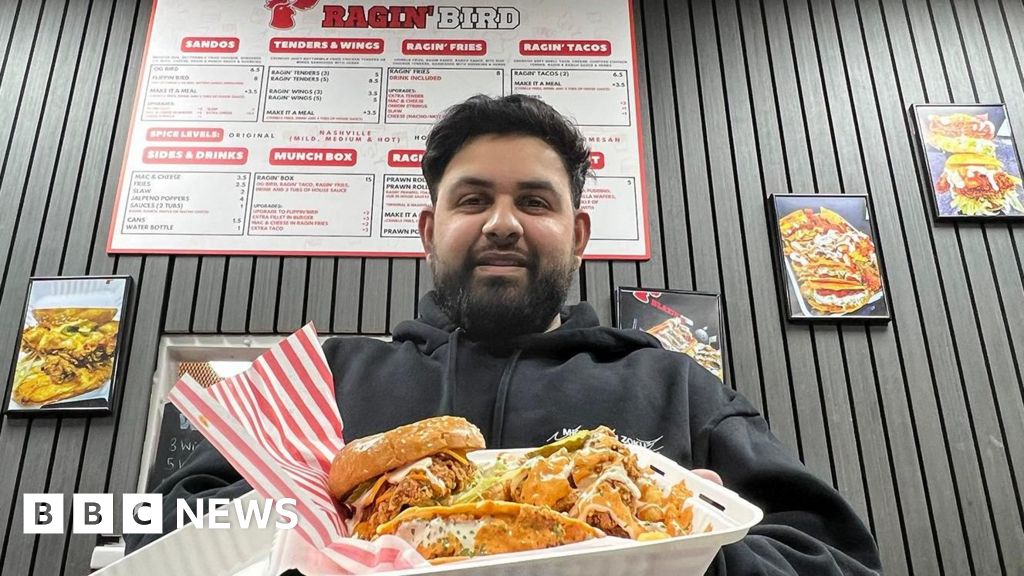
Maria Vanifatova, chief executive of Meaningful Vision, confirms that chicken is "really booming," a trend she expects to continue throughout the current year. This surge has been significantly propelled by a wave of US chains making aggressive inroads into the British market. In recent years, a long list of American giants, including Raising Cane’s, Chick-fil-A, Slim’s Chicken, Dave’s Hot Chicken, Popeyes, and Wingstop, have established a formidable presence. While the iconic US fried chicken giant KFC has been a fixture in Britain for six decades, laying the groundwork for widespread acceptance, this new wave of arrivals brings diverse regional styles, intense marketing campaigns, and a renewed buzz to the category. These chains often arrive with cult followings from their home country, leveraging sophisticated branding and expansive resources to quickly capture market share, further solidifying fried chicken’s position as a dominant force in the UK’s casual dining scene.
Beyond its compelling taste and modern appeal, chicken’s economic advantage is a key factor in its dominance. Analysts point out that chicken remains a significantly cheaper protein source compared to other meats, a crucial consideration in an era of rising living costs. This affordability makes it an attractive option for budget-conscious consumers, especially younger individuals.
However, the meteoric rise of fried chicken poses a significant challenge to Britain’s long-established culinary traditions. Andrew Crook, a fish and chip shop owner in Lancashire and president of the National Federation of Fish Fryers (NFFF), has observed this profound shift with growing concern. For decades, fish and chips reigned supreme as Britain’s quintessential takeaway. Yet, soaring fish prices, escalating energy costs, and the irresistible appeal of multi-flavoured chicken meals are compelling many traditional chippies to diversify or face closure. "There’s certainly more profit in chicken than there is in fish that’s for sure," Crook laments, highlighting the stark economic reality. The historical backbone of the British takeaway industry is under threat. In the 1920s and 30s, the UK boasted approximately 25,000 fish and chip shops; today, that number has dwindled to about 9,000, according to the NFFF. "In fish and chips, certainly, we’re worried about losing a generation," Crook warns, fearing that younger consumers are simply not developing the same affinity for the classic dish.
In this challenging environment, some traditional businesses are choosing to adapt rather than succumb. Millers Fish & Chips in Haxby, near York, a takeaway with six decades of history, embarked on a strategic evolution two years ago by launching its sister brand, Millers Chicken. Owner David Miller explains this proactive move as an effort to "future-proof" the business. "It’s not a dying trade, but you can get left behind quickly," he states, acknowledging the need for innovation. His 36-year-old son, Nick Miller, the architect of this diversification into the chicken market, confirms the strategy’s success. The introduction of fried chicken has driven a remarkable 10% increase in footfall from younger customers who previously might not have considered entering a traditional chippy.
Millers Chicken’s success is rooted in its ability to tap into contemporary food trends. A prime example is its offering of the Irish Spice Bag, a viral import from Ireland. This dish, consisting of crispy fried chicken and chips shaken in a paper bag with a distinctive seasoning, has become a cult favourite. "It’s great for us because it’s a hard climate to work within at the moment," Nick says. "It was a bit of a worry when we introduced that into the menu. But what we did see is a completely new clientele that are coming to us, which is great because it means we’re not missing out on our regular customers, we’re attracting new people in as well." This fusion approach allows them to retain their loyal customer base while simultaneously drawing in a younger, trend-aware demographic, effectively bridging the generational gap in their customer base.

However, the path to success in the fried chicken market is not without its perils. Meaningful Vision’s Maria Vanifatova cautions that the market is becoming "very crowded because so many brands are trying to enter." She highlights the formidable advantage held by large chains, whose substantial advertising budgets, sophisticated supply chains, and immense buying power make it incredibly challenging for smaller, independent outfits to compete effectively. "The market is not growing at the same rate as the number of new entrants," she notes, implying that increased competition could lead to consolidation or failure for less resilient businesses. Till also acknowledges this dynamic, observing that while there’s always initial excitement when a new chain opens, "the initial buzz can fade over time," suggesting that sustained success requires more than just novelty.
Yet, independent businesses are finding ways to thrive amidst the giants. Wasim Hussain, the owner of Ragin’ Bird in Leicester, stands as a testament to this resilience. He started his venture in 2019 as a "passion project" while still a medical student, meticulously experimenting with Nashville-style chicken recipes in his cousin’s kitchen, long before the major chains brought this specific style to the British market. He argues that the rise of large fried chicken chains has, paradoxically, "helped me." "It’s actually doing me a favour because it’s bringing the hype here," he explains. "People then look for independent Nashville spots and they find us." This highlights a symbiotic relationship where the mainstream popularity generated by large brands creates a halo effect that benefits niche, quality-focused independents.
Wasim’s strategy hinges on superior product quality and a distinct identity, a fact not lost on customers like Sumayyah. She is firmly hooked on Ragin’ Bird’s distinctive flavours, diverse menu, and competitive affordability. Her loyalty underscores the independent’s competitive edge. "I like this place, it feels like it’s more homemade," she remarks, offering a critical comparison. "I’ve been to Wingstop in the past and the chicken was wet, it wasn’t crispy – same as Popeyes." This direct feedback speaks volumes, suggesting that while large chains offer convenience and brand recognition, many consumers still seek the artisanal quality, crispness, and unique flavour profiles that smaller, dedicated establishments like Ragin’ Bird can provide.

As food trends come and go, the question of fried chicken’s longevity in the British culinary scene remains pertinent. However, dedicated fans like Till are unwavering in their conviction. "I’m always going to eat fried chicken. I’ve always loved it," she asserts with confidence. "It was never just a trend for me." Her sentiment reflects a broader cultural shift where fried chicken has transitioned from a niche American import to an ingrained, indispensable part of the British takeaway experience. It has carved out a permanent place alongside curries, kebabs, and fish and chips, further diversifying and enriching the nation’s vibrant food culture. This American fried chicken craze is not merely a passing fad; it is a profound and lasting transformation of British takeaways, signalling a dynamic evolution in the country’s gastronomic landscape.



 Ramos Leo
 atisusanti
 George Anjay

 Roy Suryo