Roy Suryo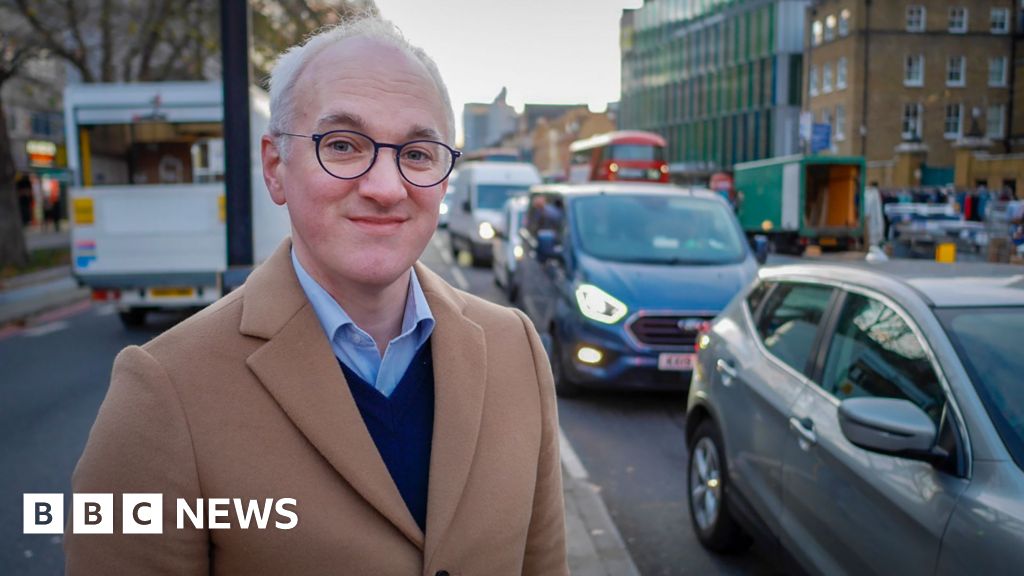
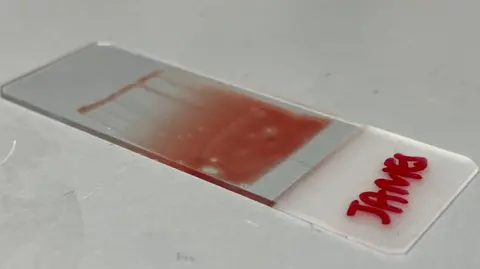
In a stark, revealing experiment, I found myself in a laboratory, peering into a microscope at my own blood. What greeted me was unsettling: amongst the normally pristine red blood cells, dark, foreign markings marred their surfaces. I am now one of the first individuals globally to witness firsthand the physical manifestation of air pollution accumulating within my body.
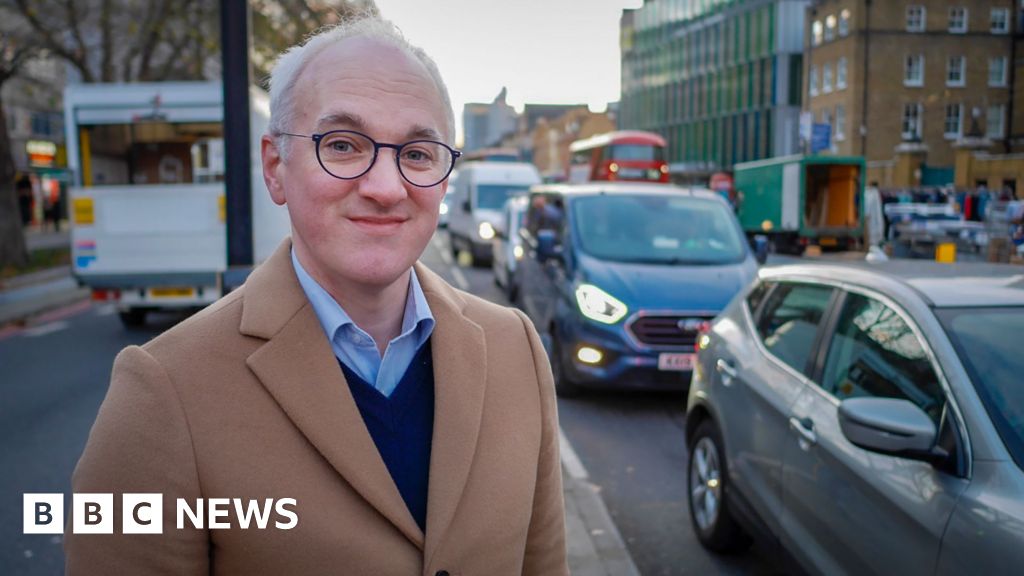
This visceral experience was preceded by just ten minutes spent on a bustling central London street, a thoroughfare so saturated with exhaust fumes that the air felt palpable, leaving a gritty residue on my tongue. I had volunteered for this experiment, a dive into the insidious pathways of air pollution and its detrimental effects on human health. In the UK alone, poor air quality is estimated to claim 30,000 lives annually, with devastating impacts reaching from prenatal development to the exacerbation of chronic conditions like asthma and dementia.
The primary culprit of the air I inhaled was traffic – an invisible plume billowing from exhaust pipes, but also released through the relentless wear and tear of tires and brakes. Professor Jonathan Grigg of Queen Mary University of London, who orchestrated this “exposure chamber,” explained over the cacophony of engines and sirens that most people hold a common misconception: that our respiratory system acts as an impenetrable filter, trapping all pollutants in the nose and mouth or expelling them from the lungs. “What we’re looking at,” Grigg elucidated, “is whether the smallest particles are not only staying in your lung, but moving across into your bloodstream and going around your body.”

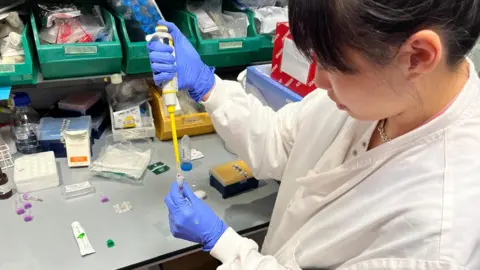
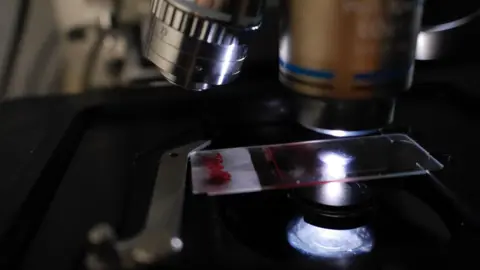
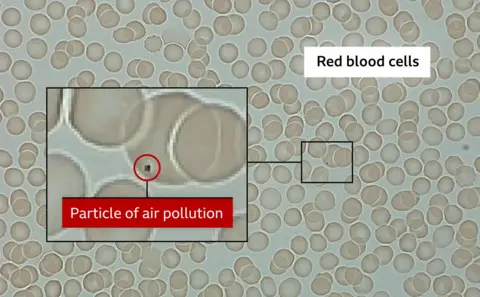
Following our brief but potent exposure to London’s polluted air, we returned to the laboratory. A quick prick of my finger yielded a blood sample, meticulously prepared for microscopic examination. As my eyes adjusted to the magnified view, the distinct red discs responsible for oxygen transport became clear. Then, the evidence of my roadside immersion appeared: tiny black specks adhered to the red blood cells. These were fragments of carbon and other chemicals, the remnants of incomplete fuel combustion, classified as PM2.5 due to their size, less than 2.5 micrometres. While not entirely unexpected, the visual confirmation of pollution within my own bloodstream evoked a profound sense of being tainted, contaminated, sullied.
Dr. Norrice Liu, a researcher involved in the study, has analyzed blood samples from over a dozen volunteers. Her findings are sobering: on average, one in every two to three thousand red blood cells carried a particle of pollution. While this figure might seem small, when extrapolated to the approximately five liters of blood in an adult, it suggests an astonishing 80 million red blood cells could be circulating with these pollutants. “It’s a bit upsetting to see that, isn’t it?” Liu remarked, reflecting on the findings. “Every time I walk by a busy road, now I’m thinking how much of this is travelling around my body… you just feel like you don’t want to be out on the road much.”

My ten-minute exposure, though not an extreme scenario, yielded this visible evidence. The Queen Mary University team’s research indicates that pollution levels in the blood typically return to baseline after about two hours of breathing cleaner air. Professor Grigg expressed his surprise at the visibility of air pollution in the blood, emphasizing that the critical question is its ultimate destination. While some particles might be filtered by the kidneys and excreted in urine, the prevailing theory is that these minute particles permeate the delicate lining of blood vessels, lodging themselves in various organs throughout the body.
This groundbreaking research provides a tangible explanation for the wide-ranging health issues linked to air pollution, extending far beyond the respiratory system to affect the brain and even fetuses in the womb. Deposits of black carbon from air pollution have been identified in human placentas, underscoring the potential for transplacental transfer. “There’s no reason why it’s choosing one organ over another,” Dr. Liu stated, suggesting that these particles are likely distributed throughout the body. Furthermore, gaseous pollutants like nitrogen oxides, invisible under a microscope, are known to inflict significant harm.
The World Health Organization estimates that a staggering 99% of the global population breathes polluted air, contributing to seven million premature deaths annually. In the UK, a report by the Royal College of Physicians suggests this figure stands at 30,000 deaths per year. Sir Stephen Holgate, who led that report, unequivocally stated that air pollution’s detrimental impact on health is a settled matter, citing the tangible health improvements observed in areas that have successfully reduced pollution levels. However, he highlighted the challenge of its increasing invisibility compared to the smog-filled skies of the past, leading to a widespread underestimation of its daily damaging effects.
The consequences of air pollution are far-reaching, impacting our health throughout our lives and across our entire bodies. While the precise mechanisms are still being unravelled, inflammation is believed to be a key pathway through which dirty air harms various organs. This inflammatory response, normally a protective measure against injury and infection, can compromise blood vessels, increasing the risk of heart attacks and strokes. In the lungs, inflammation can reactivate dormant cancer cells, leading to the development of aggressive tumors; indeed, air pollution is implicated in approximately one in ten lung cancer cases in the UK. Even in utero, air pollution is thought to interfere with crucial DNA functioning during critical developmental stages, potentially leading to smaller lungs, smaller hearts, and developmental issues in the brain.
As we age, air pollution components are suspected of accelerating the progression of dementia by promoting the formation of toxic protein plaques in the brain.
What can you do about it?
Individuals can take proactive steps to minimize their exposure to air pollution. This includes opting for quieter side streets when walking or cycling, and positioning oneself further from the roadside to create a buffer from traffic. This advice is particularly pertinent for parents with infants in strollers, as children are closer to the height of exhaust pipes. Professor Grigg’s study also demonstrated that wearing a well-fitting FFP2 mask significantly reduced the amount of air pollution detected in the blood. While not advocating for universal mask usage, Grigg suggested it could be beneficial for individuals with pre-existing health conditions, such as those recovering from heart attacks or living with chronic respiratory diseases, when in areas with high pollution levels.
A significant challenge with air pollution is its transboundary nature; we are often inhaling the byproducts of others’ activities, and relocating is not always a viable solution for those living on busy roads. Policy changes, including not only the adoption of electric vehicles but also stricter emission standards for new petrol and diesel engines, are crucial for improving air quality. Professor Grigg emphasized that a deeper understanding of the mechanisms by which air pollution causes harm will strengthen the impetus for policymakers to implement measures that reduce exposure, which he believes is the ultimate solution.
Inside Health was produced by Tom Bonnett.
More weekend picks from James Gallagher



 George Anjay
 Ramos Leo
 Nakalama John

 atisusanti