
 Roy Suryo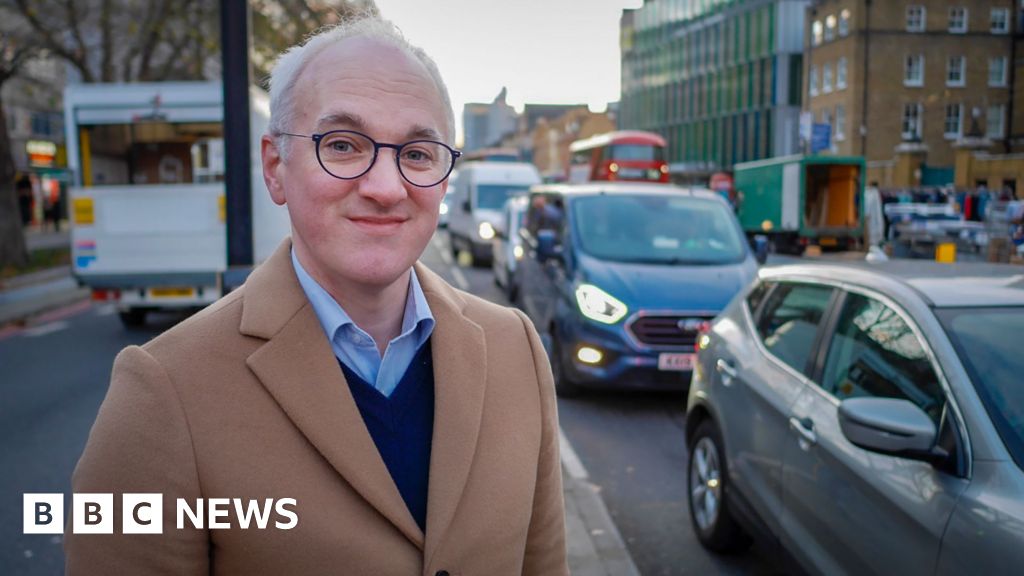
I’m in a laboratory staring at my blood under a microscope. Rather than pristine red blood cells, some of them have been tainted with black markings. I’m now one of the first people in the world to see air pollution building up inside their body. Less than an hour ago, I was standing next to four lanes of busy central London traffic, a place where the air has a palpable grittiness and a taste that lingers. I had volunteered to stand there for 10 minutes, breathing in the thick, dirty air as part of a groundbreaking experiment designed to illuminate how air pollution affects our bodies and contributes to widespread health damage.
In the UK alone, poor air quality is a silent killer, estimated to cause 30,000 premature deaths annually. Its insidious effects extend to harming babies in the womb and exacerbating chronic conditions ranging from asthma to dementia. The primary culprit in the air I was inhaling was traffic emissions – invisible plumes billowing from exhaust pipes, but also microscopic particles released from the wear and tear of tires and brakes. Professor Jonathan Grigg, a leading expert from Queen Mary University of London, refers to this busy roadside location as his "exposure chamber."
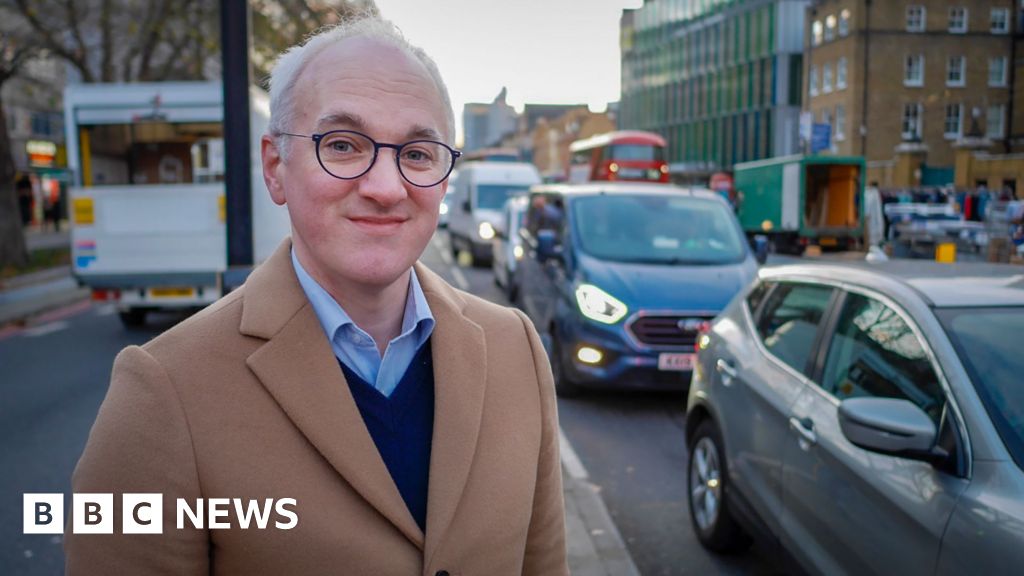
Shouting over the cacophony of revving engines and wailing sirens, Professor Grigg dispelled a common misconception: many people incorrectly assume that air pollution is entirely filtered out by our nose and mouth, or trapped and expelled from the lungs. "What we’re looking at," he explained, his voice strained against the urban roar, "is whether the smallest particles are not only staying in your lungs but are moving across into your bloodstream and circulating around your body."
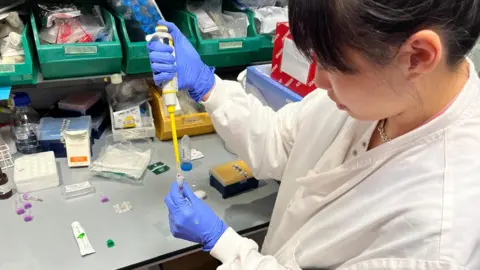
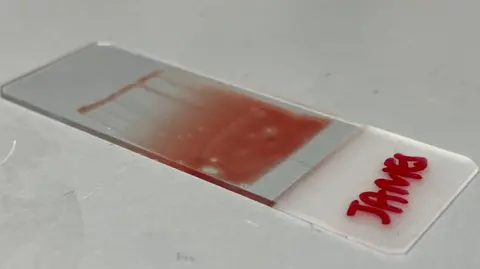
Following our brief, but potent, immersion in London’s polluted air, we returned to the laboratory. My finger was pricked, and a small sample of my blood was meticulously prepared for examination. Under the powerful lens of the microscope, the familiar, disc-shaped red blood cells, responsible for transporting oxygen throughout our bodies, came into view. After a moment for my eyes to adjust, the stark reality of air pollution’s impact became undeniably apparent. Scattered amongst the healthy cells were tiny black specks, adhering to the red blood cells like miniature blemishes.
These dark markings, as Dr. Norrice Liu, a researcher on the study, explained, are fragments of carbon and other chemicals, essentially miniature lumps of coal formed from the incomplete combustion of fuel. They are scientifically classified as PM2.5, signifying that their diameter is less than 2.5 micrometres – making them incredibly small and capable of penetrating deep into our respiratory systems. While I had intellectually understood the concept of air pollution, seeing it physically embedded within my own bloodstream evoked a visceral feeling of being contaminated, sullied by the very air I had breathed.

Dr. Liu, who has examined blood samples from over a dozen volunteers as part of this pioneering study, revealed that on average, one in every two to three thousand red blood cells showed evidence of carrying these microscopic pollution particles. While this ratio might seem small, when extrapolated to the average five litres of blood circulating in an adult body, the researchers estimate that up to 80 million red blood cells could be transporting these harmful particles. "It’s a bit upsetting to see that, isn’t it?" Dr. Liu remarked, her voice tinged with concern. "Every time I walk by a busy road, now I’m thinking how much of this is travelling around my body… you just feel like you don’t want to be out on the road much."
My brief 10-minute exposure on a busy, though not extreme, London road highlighted a disturbing reality: the pollution I encountered is likely present in the blood of countless individuals on a daily basis. Encouragingly, the research team at Queen Mary University of London has demonstrated that levels of air pollution within the blood tend to decrease significantly after approximately two hours of exposure to clean air. Professor Grigg expressed his surprise at the visibility of air pollution in blood samples, but emphasized that the critical question remains: where do these particles ultimately go within the body?
While some particles may be filtered by the kidneys and expelled through urine, Professor Grigg suggests the most probable scenario is that these microscopic invaders "wiggle their way through the lining of the blood vessels and lodge in various organs." This finding is crucial in explaining the growing body of evidence linking air pollution to a wide spectrum of health issues that extend far beyond the lungs, including effects on the brain and adverse impacts on fetal development. Indeed, deposits of black carbon, a component of air pollution, have been found in human placentas analyzed after birth, providing tangible proof of its systemic reach.

"There’s no reason why it’s choosing one organ over another," Dr. Liu commented, "so chances are they’re everywhere." Furthermore, the microscopic view only captures visible particles; other harmful forms of air pollution, such as nitrogen oxides, are gaseous and invisible, yet are known to cause significant damage.
The World Health Organization (WHO) paints a grim picture, stating that a staggering 99% of the global population breathes air that exceeds WHO guideline limits, leading to approximately seven million premature deaths each year. In the UK, a report by the Royal College of Physicians estimates this figure to be around 30,000 deaths annually. Sir Stephen Holgate, who led that influential report, declared with unwavering certainty that air pollution is unequivocally damaging our health, describing the evidence as "nailed, it’s game set and match." He pointed to areas that have successfully reduced air pollution levels and subsequently witnessed marked improvements in public health as clear evidence of this causality.
However, in stark contrast to the visible smogs of yesteryear, modern air pollution is largely invisible. This lack of visual cues means that most people remain unaware of their daily exposure and the cumulative damage it inflicts. Air pollution has been implicated in harms throughout our lives, from the earliest stages of development to the later years of life.
One of the primary mechanisms by which dirty air damages other organs is by triggering inflammation. While inflammation is a natural and essential bodily response to injury and infection, chronic inflammation, often exacerbated by air pollution, can compromise blood vessels, increasing the risk of heart attacks and strokes. Inflammation in the lungs has also been shown to awaken dormant cancerous cells, potentially leading to the development of deadly tumors. It is estimated that around one in ten lung cancers in the UK are attributable to air pollution.
Even before birth, air pollution is thought to interfere with critical developmental processes, potentially altering how a baby’s DNA functions during crucial stages of gestation. "There’s a very sensitive period when air pollution can cause a problem and it undoubtedly does: small lungs, small heart and some problems with brain development," Sir Stephen explained, highlighting the profound impact on developing fetuses. At the other end of the life spectrum, components of air pollution appear to accelerate the progression of dementia by contributing to the formation of toxic protein plaques within the brain.
Given these alarming findings, understanding personal exposure and mitigation strategies is paramount. Advice for minimizing exposure includes opting for quieter side streets when walking and keeping away from the immediate edge of busy roads, a measure particularly important for babies in prams who are at the height of exhaust pipes. Professor Grigg’s study also indicated that wearing a tightly fitting FFP2 mask can reduce the amount of air pollution entering the bloodstream. However, he cautioned against widespread mask usage, suggesting they might be beneficial for individuals with pre-existing respiratory or cardiovascular conditions when in highly polluted areas.
The inherent challenge with air pollution lies in the fact that we are often exposed to pollution generated by others, making individual control difficult. Relocating away from busy roads is not always a feasible solution. While improvements in vehicle technology, including the rise of electric vehicles and stricter emissions standards for new petrol and diesel engines, are contributing to better air quality, Professor Grigg stresses the need for continued pressure on policymakers. "I think the more we understand the mechanisms of how it can cause these effects, the more we can add to the pressure for policy makers to reduce exposure – because that’s the answer in the end," he concluded.
Inside Health was produced by Tom Bonnett.



 George Anjay
 Ramos Leo
 atisusanti
 Nakalama John