
 Roy Suryo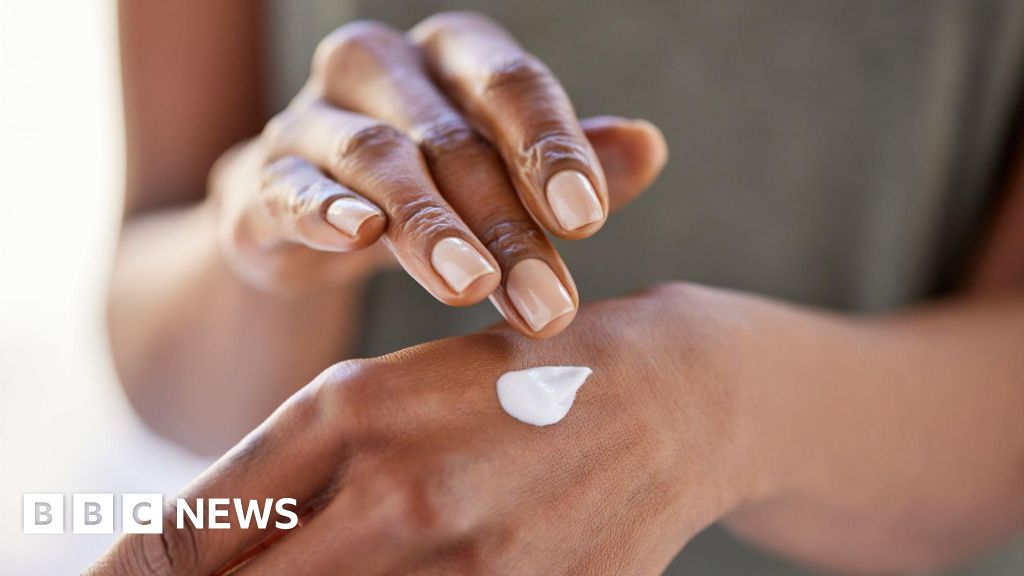
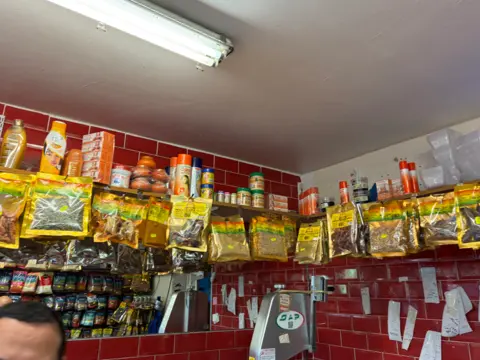
The Chartered Trading Standards Institute (CTSI) has issued a stark warning that dangerous and illegal skin lightening products are increasingly being found not only online but also in a concerning array of physical retail spaces, including butchers and specialist food shops across the United Kingdom. This alarming trend highlights a significant public health concern, as these illicit creams often contain banned and harmful ingredients that pose severe risks to consumers. The CTSI urges the public to exercise extreme caution, to steer clear of these dangerous products, and to report any establishments found to be selling them to the relevant authorities.
Tendy Lindsay, a respected CTSI member and former chair, expressed her profound concern, stating, "As a black woman and a long-standing advocate for equality, diversity and inclusion, I want to be absolutely clear: the sale of illegal skin lightening products is not only dangerous, it is unlawful." Her emphatic statement underscores the dual nature of the problem – its threat to individual health and its illegality.
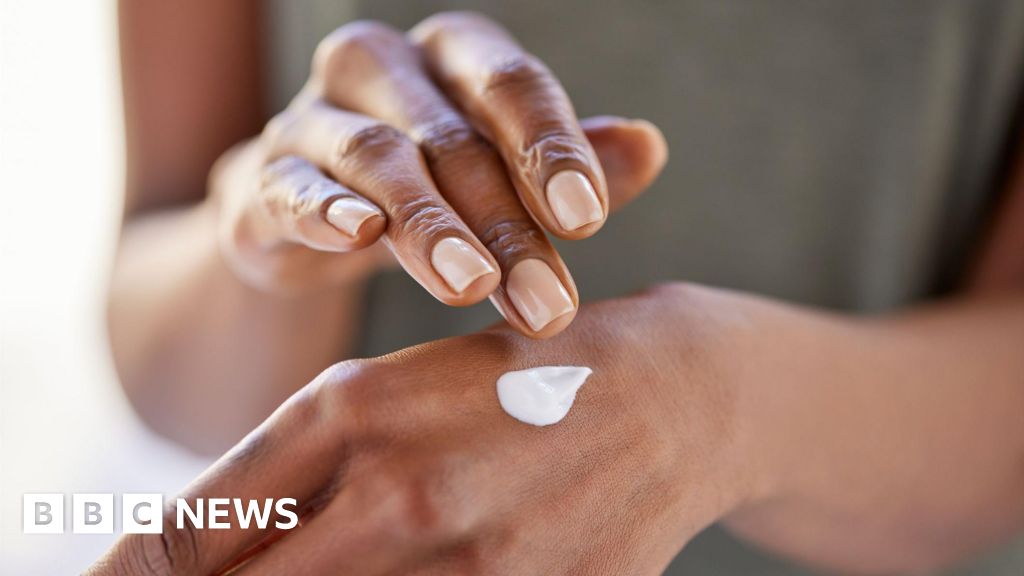
The CTSI has identified that many of these unregulated products contain ingredients that have been explicitly banned due to their severe health implications. Among these are hydroquinone, mercury, and potent corticosteroids. These substances are prohibited because they are known to significantly increase the risk of serious skin damage, debilitating infections, and potentially life-threatening pregnancy-related complications. The presence of such dangerous chemicals in products readily available to the public is a grave concern for consumer safety.
The standards body further elaborated on the complex societal and personal factors that drive individuals towards skin lightening. It points to "colourism," a pervasive form of discrimination that unfairly favours lighter skin tones, as a significant contributor to the demand for these products. This societal pressure, coupled with individual insecurities and the pursuit of specific beauty ideals, can create a vulnerability that these illegal products exploit.
This issue has recently been brought to the forefront by the BBC, which reported on the dangers and widespread availability of these illegal skin lightening products in a broadcast this month. The report featured personal testimonies that powerfully illustrate the devastating consequences of using such unregulated cosmetics.
One such individual, Daniel Murrell-Williamson from Essex, shared his harrowing experience of using a cream for two months as a 17-year-old, unaware of its toxic and illegal composition. Daniel had initially sought to address dark patches on his skin caused by acne. He relied on an unmarked product provided by a friend, which promised to lighten his skin. "I definitely saw a difference in my skin complexion and felt like I needed to keep up with it, because if I stopped, I would revert back to my original skin complexion," he recounted, illustrating the addictive and psychologically manipulative nature of these products. Daniel eventually escalated his usage to the point where he was applying the bleaching product all over his body on a daily basis. The cream he used was found to be illegal because it contained hydroquinone, a chemical known to weaken the skin, significantly increasing the risk of cancer, and also causing severe liver and kidney damage.
Another individual, Arlene Dihoulou, spoke about her own use of skin lightening creams, admitting she was unaware of the significant dangers involved. Her motivation stemmed from experiencing colourism and racism related to her skin tone during her childhood, highlighting the deep-seated societal issues that fuel this demand.
The enforcement efforts against the sale of these illegal products are ongoing, but the scale of the problem remains significant. In a notable case, a cosmetics retailer in Peckham, London, was fined a substantial £30,000 in November for selling illegal skin lightening products for the second time, demonstrating the persistence of this illicit trade. The severity of the issue is further underscored by the statistics from the borough of Southwark alone, where 62 companies or individuals have been prosecuted for selling skin lighteners since 2002, indicating a long-standing and pervasive problem in certain areas.
In response to this escalating threat, the CTSI has provided clear guidance to consumers. They advise the public to:
- Be vigilant: Consumers are urged to be aware of the risks associated with skin lightening products, particularly those that are not clearly labelled or are sold through unofficial channels.
- Check ingredients: Always scrutinise product labels for any mention of hydroquinone, mercury, or potent corticosteroids. If these are present, the product is illegal and should be avoided.
- Source responsibly: Purchase cosmetic products only from reputable retailers and trusted sources. Be wary of unusually low prices or products that make exaggerated claims.
- Seek professional advice: If you have concerns about your skin or are considering using skin lightening products, consult a dermatologist or a qualified healthcare professional. They can provide safe and effective alternatives and offer advice on managing skin conditions.
- Report suspicious sales: If you encounter any shops or online platforms selling suspected illegal skin lightening products, report them immediately to your local Trading Standards office or via the CTSI’s consumer advice line.
Lindsay further emphasized her deep concern regarding the social dynamics that perpetuate the demand for skin lightening products, warning that "colourism and harmful beauty standards can create vulnerability." She also issued a stern message to those involved in supplying these products, including those who may not be fully aware of their illegality: "a lack of awareness is not a defence." This statement serves as a clear warning that ignorance of the law does not absolve individuals of responsibility.
The CTSI’s warning serves as a critical reminder that the pursuit of beauty ideals, particularly those influenced by societal biases like colourism, can lead individuals to unknowingly expose themselves to severe health risks. The widespread availability of these dangerous products in unexpected retail locations underscores the urgent need for continued vigilance, robust enforcement, and greater public awareness to protect consumers from the harmful consequences of illegal skin lightening creams.




 Ramos Leo
 atisusanti
 Nakalama John
 Nana Banana