Roy Suryo
The landscape of Myalgic Encephalomyelitis (ME), also known as Chronic Fatigue Syndrome (CFS), a condition that has historically been shrouded in medical skepticism and diagnostic ambiguity, appears to be undergoing a significant transformation. For decades, individuals suffering from this debilitating illness have faced the arduous challenge of not only managing their symptoms but also battling for recognition and validation within the medical community due to the absence of a definitive diagnostic test. However, a burgeoning wave of scientific inquiry and groundbreaking research is now signaling a potential turning point, offering renewed hope for millions affected worldwide.
A pivotal catalyst for this accelerated research interest has been the emergence of Long COVID, a condition exhibiting striking parallels in its symptomatology to ME. The shared characteristics between these two complex post-viral illnesses have spurred unprecedented scientific collaboration and opened novel avenues for exploring the underlying biological mechanisms that drive both conditions. This cross-pollination of research is proving instrumental in unraveling the mysteries that have long plagued ME and, by extension, offering insights into the broader spectrum of post-viral illnesses.
The BBC’s "Inside Health" program, in its recent episode dedicated to this evolving field, highlights some of the most promising developments. The program features an in-depth discussion with Dr. Chris Ponting regarding the significant findings from the DecodeME study. This large-scale research initiative, which has involved extensive genetic analysis of individuals with ME, has provided compelling evidence pointing towards a substantial genetic predisposition to the condition. Understanding these genetic links is crucial for developing more targeted diagnostic approaches and potentially identifying individuals at higher risk.
Furthermore, Professor Rosemary Boyton sheds light on the ambitious objectives of the new Rosetta Stone study. This pioneering research project is meticulously designed to establish a comprehensive and detailed evidence base by identifying shared biomarkers across both ME and Long COVID. The establishment of such biomarkers would represent a monumental leap forward, enabling more objective and reliable diagnoses, and paving the way for the development of effective therapeutic interventions. The study’s focus on commonalities between these two conditions underscores a strategic approach to accelerating scientific understanding and drug discovery.
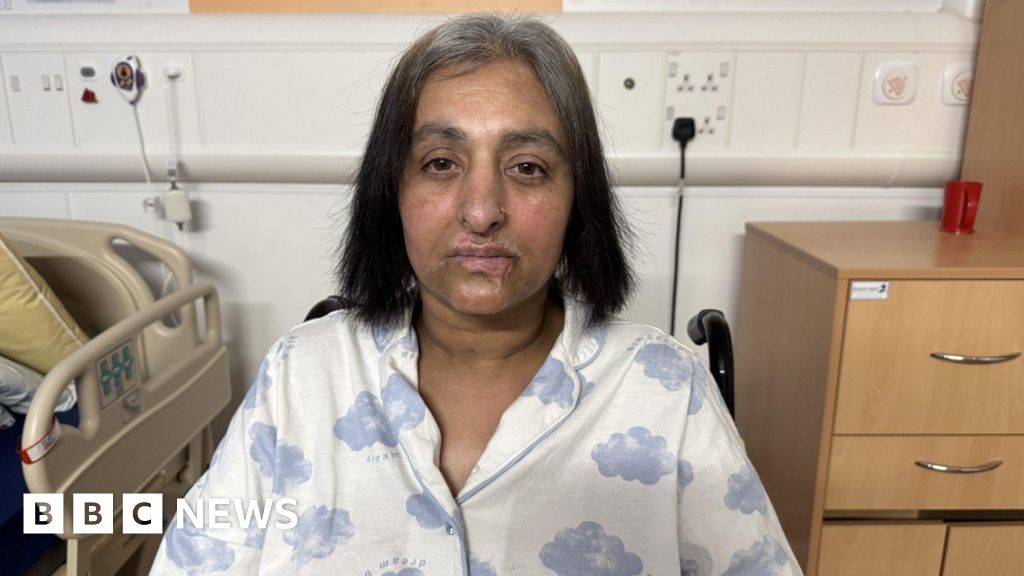
Beyond the laboratory, "Inside Health" provides a vital human perspective by featuring the lived experiences of Catherine and Jo, two individuals who have endured ME for many years. Their personal narratives offer a poignant glimpse into the profound impact of the illness on daily life, detailing the often protracted and emotionally taxing diagnostic journeys they have undertaken. Their accounts also illuminate the innovative and often challenging strategies they employ to manage their symptoms, highlighting the resilience and perseverance of those living with ME. These personal testimonies serve as a powerful reminder of the real-world consequences of this chronic illness and the urgent need for greater understanding and support.
The episode is presented by James Gallagher, a seasoned health correspondent known for his insightful reporting on complex medical issues. The production is further enriched by the contributions of producer Alice Lipscombe-Southwell, researcher Tom Hunt, and editors Erika Wright and Ilan Goodman, who have collectively crafted a comprehensive and engaging exploration of the current state of ME research.
The increased scientific attention and the promising results from studies like DecodeME and Rosetta Stone suggest that the tide may indeed be turning for ME research. The integration of genetic insights, the identification of biomarkers, and the growing recognition of the similarities between ME and Long COVID are collectively fostering an environment of optimism and progress. This renewed momentum in research holds the potential to not only transform diagnostic capabilities but also to unlock effective treatments, offering a brighter future for those living with this often-misunderstood condition. The journey ahead remains challenging, but the current trajectory of research indicates a significant and hopeful shift in our understanding and approach to Myalgic Encephalomyelitis. The convergence of advanced scientific methodologies and a deeper appreciation for the patient experience is creating a powerful synergy, driving forward the quest for answers and relief for millions.


 Nana Banana
 atisusanti
 Nakalama John
 George Anjay