atisusanti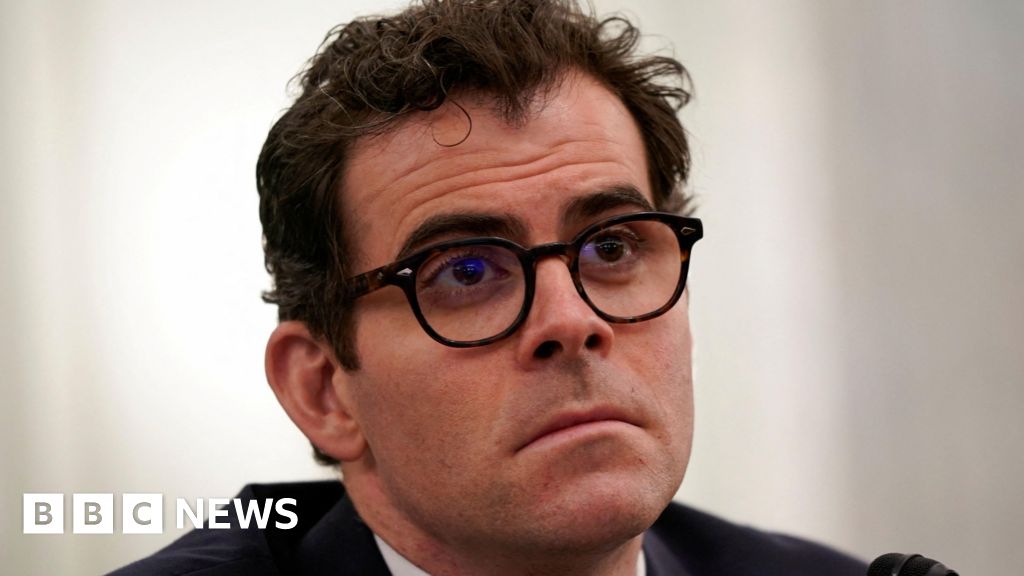
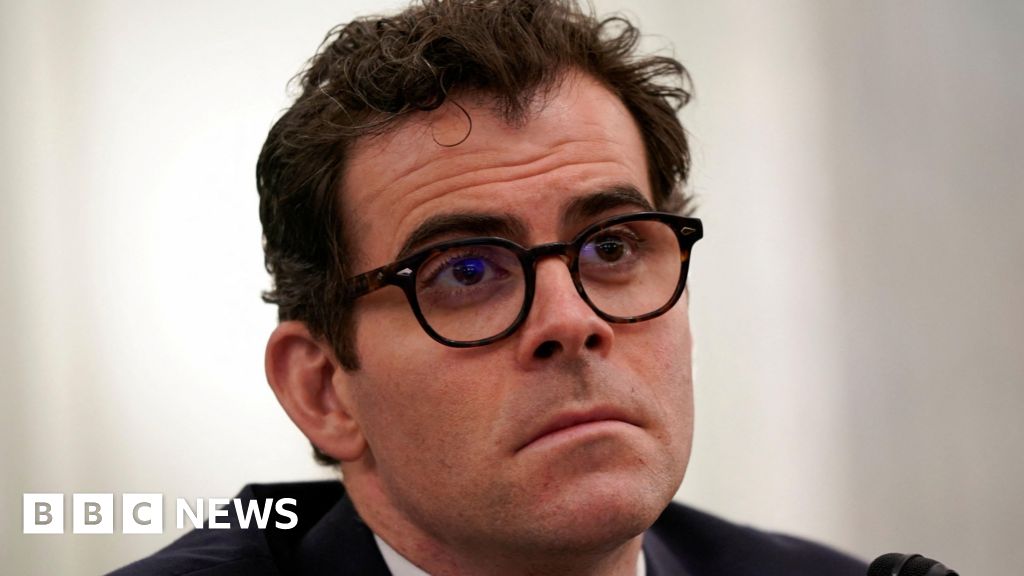
In a pivotal legal battle unfolding in Los Angeles, Adam Mosseri, the head of Instagram, has mounted a robust defense against allegations that his platform inflicts mental health damage on minors, asserting in court that even seemingly extreme usage of social media does not equate to clinical addiction. Mosseri, who has helmed Instagram for eight years, became the first high-profile executive to take the stand in a landmark trial that commenced this week. This protracted legal proceeding, anticipated to span six weeks, is poised to critically examine the legal frameworks holding technology firms accountable for their impact on young users.
Lawyers representing Meta, the parent company of Instagram, contend that the lead plaintiff, identified only by her initials K.G.M., experienced harm stemming from external life factors rather than from her engagement with Instagram. The lawsuit also names YouTube as a defendant, while Snapchat and TikTok had previously reached settlements, opting to avoid the courtroom confrontation. Mosseri, a key executive within Meta, which also oversees Facebook and WhatsApp, was slated for a full day of questioning on Wednesday. Early in his testimony, he acknowledged a general assertion made by Mark Lanier, the lead attorney for K.G.M., that Instagram ought to exert maximum effort to ensure user safety, particularly for young people on the platform.
However, Mosseri expressed reservations about establishing a definitive threshold for what constitutes excessive Instagram use. He characterized problematic use as "a personal thing," elaborating that an individual could engage with Instagram for extended periods and still maintain a positive experience. He stressed the importance of distinguishing between "clinical addiction and problematic use," drawing an analogy: "I’m sure I’ve said that I’ve been addicted to a Netflix show when I binged it really late one night, but I don’t think it’s the same thing as clinical addiction." Despite this nuanced stance, Mosseri repeatedly stated he was not an expert in addiction when pressed by Lanier.
Lanier presented Mosseri with findings from an internal Meta survey involving 269,000 Instagram users, which revealed that a staggering 60% had witnessed or experienced bullying on the app in the preceding week. The attorney further highlighted that K.G.M. had lodged over 300 reports concerning bullying on the platform, questioning Mosseri if he was privy to this specific detail. Mosseri responded in the negative, stating he was unaware of K.G.M.’s extensive reporting. When questioned about K.G.M.’s longest recorded single-day usage of Instagram, which stood at 16 hours, Mosseri termed it "problematic use" but stopped short of labeling it an addiction.
The testimony also delved into a 2019 email exchange among Meta executives where concerns were raised about the potential negative psychological effects on users stemming from features that allowed for the alteration of physical appearance in photos. Nick Clegg, who previously served as Meta’s head of global affairs and as a Member of Parliament for over a decade, was among those who voiced apprehension regarding these image filters. He warned that Meta risked being "rightly accused of putting growth over responsibility," a move he believed would ultimately have a "regressive" impact on the company’s public image. Mosseri stated that the company had subsequently decided to ban image filters that went beyond simulating the effects of makeup. However, under challenge from Lanier, Mosseri conceded that the ban had been "modified," while denying it had been rescinded entirely.
Meta, alongside other social media giants such as YouTube, Snapchat, and TikTok, faces a deluge of thousands of similar lawsuits filed by families, state prosecutors, and school districts across the United States. As Mosseri arrived at the courthouse, he was met by a diverse crowd of onlookers, protestors, and parents not directly involved in the lawsuit, many of whom claim to have witnessed their children suffer from what they describe as social media addiction. Mariano Janin, from London, shared his poignant story, holding a photograph of his daughter Mia, who died by suicide in 2021 at the age of 14. Janin traveled to Los Angeles to attend the trial and lend his support to the notion of restricting social media access for young users. "If they changed their business model it would be different," Janin stated, emphasizing, "They should protect kids. They have the technology; they have the funds."
The legal proceedings are expected to feature testimony from other prominent figures in the tech industry, including Meta CEO Mark Zuckerberg and Neal Mohan, the chief executive of YouTube. The case, therefore, is not only a legal battle but also a significant public forum for the ongoing debate surrounding the responsibilities of social media platforms and their profound influence on the mental well-being of young people. The nuances of "addiction" versus "problematic use," as articulated by Mosseri, are central to the defense’s strategy, aiming to decouple the platform’s design and user engagement from claims of direct causation of severe psychological harm. The outcome of this trial could set crucial precedents for the future regulation and accountability of the digital landscape.



 George Anjay
 Ramos Leo
 Nakalama John