George Anjay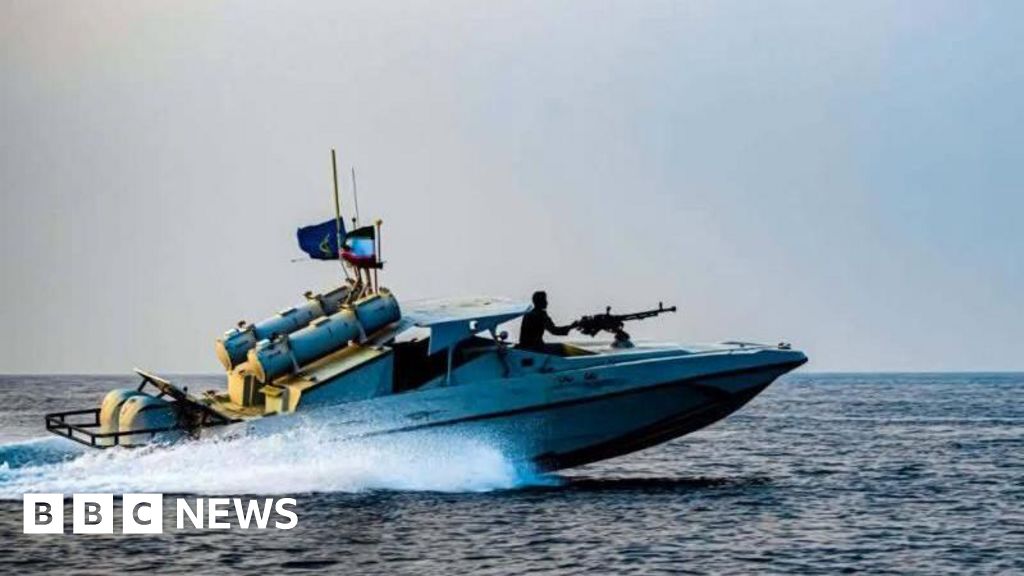
President Donald Trump has revealed that Iran is engaged in "serious discussions" with the United States, a development that comes amidst a significant build-up of American military assets in the Persian Gulf and escalating regional tensions. The announcement, made by the US president, suggests a potential de-escalation in a standoff that has been characterized by escalating rhetoric and the looming threat of military intervention. Trump expressed his hope that these negotiations would yield an "acceptable" outcome, underscoring the delicate nature of the ongoing dialogue. This diplomatic outreach follows a period of heightened animosity, fueled by concerns over Iran’s nuclear program and its forceful suppression of widespread anti-government protests.
The revelation of these high-level discussions was echoed by Iran’s own top security official, Ali Larijani, who confirmed that a framework for negotiations was indeed progressing. This dual confirmation from both sides signals a potential, albeit tentative, shift towards diplomacy as a means to resolve the complex geopolitical issues at play. The situation remains precarious, however, with both nations having issued stark warnings. Iran has declared its readiness to respond "immediately and powerfully" to any aggression, whether by land or sea, a clear indication of its determination to defend its sovereignty.
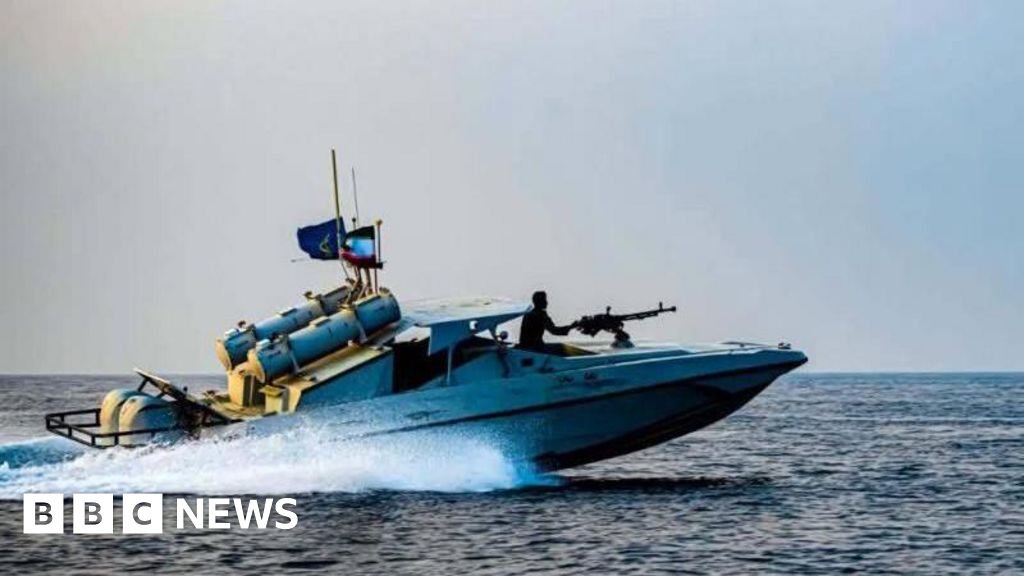
The strategic Strait of Hormuz, a vital chokepoint through which approximately one-fifth of the world’s traded oil passes, has become a focal point of the escalating tensions. The narrow waterway, measuring a mere 33 kilometers (21 miles) at its widest point between Iran and Oman, has been a subject of past Iranian threats to close in the event of an attack. In response to these perceived threats and Iran’s regional activities, the United States has significantly bolstered its military presence in the region. The deployment of the aircraft carrier USS Abraham Lincoln to the Persian Gulf, and its subsequent operation in the Arabian Sea, underscores the seriousness of the US military posture.
The US has explicitly warned Iran against any "unsafe and unprofessional behavior" in close proximity to its naval forces, a clear signal that any provocative actions will be met with a firm response. Iran’s Foreign Minister, Abbas Araghchi, has articulated a counter-narrative, suggesting that the US military is attempting to dictate how Iran’s armed forces should conduct their operations within their own territorial waters. This exchange highlights the deep-seated mistrust and differing perspectives that characterize the US-Iran relationship.
Adding to the already heightened anxiety in the region, two explosions rocked Iran on Saturday, further fueling concerns about the volatile situation. Local authorities attributed a blast in the southern port city of Bandar Abbas, which resulted in one fatality and 14 injuries at a building, to a gas leak. The semi-official Tasnim news agency moved swiftly to deny social media reports that a commander of the Revolutionary Guards Corps navy had been the target of the explosion, seeking to quell speculation and prevent further escalation of rumors. In a separate incident in the southwestern city of Ahvaz, another explosion claimed the lives of at least four people. Again, local authorities pointed to a gas leak as the cause, according to reports in Iran’s Tehran Times.
Earlier in the week, President Trump had laid out clear conditions for Iran to avoid US military action. He stated that Iran needed to meet two crucial demands: "Number one, no nuclear. And number two, stop killing protesters." This statement directly links Iran’s nuclear ambitions and its domestic human rights record to the potential for military confrontation. The crackdown on anti-government protests has been particularly severe, drawing international condemnation.
According to the US-based Human Rights Activists News Agency, over 6,300 people have been confirmed killed since the unrest began in late December, with the agency investigating an additional 17,000 reported deaths. The Norway-based Iran Human Rights (IHR) has issued a stark warning, suggesting that the final death toll could potentially exceed 25,000. These figures paint a grim picture of the human cost of the internal dissent and the state’s response.
In a significant address on Sunday, Iran’s Supreme Leader Ayatollah Ali Khamenei accused protesters of attacking police, the Iranian Revolutionary Guards Corps (IRGC), and various facilities, including banks and mosques. Tasnim news agency quoted Khamenei as stating, "The coup was suppressed," indicating the government’s perspective on the nature and outcome of the protests. This rhetoric from the highest level of Iranian leadership underscores the government’s narrative of facing internal threats and external conspiracies.
The backdrop of these internal protests and the government’s response adds another layer of complexity to the already fraught relationship with the United States. The US, while outwardly focused on Iran’s nuclear program and regional influence, has also voiced strong concerns about human rights abuses within Iran. The current "serious discussions" appear to be an attempt to navigate these multifaceted challenges, with the fate of the region and the potential for conflict hanging precariously in the balance. The effectiveness of these negotiations will likely depend on the willingness of both sides to compromise and de-escalate, a prospect that remains uncertain given the deep-seated animosities and conflicting interests. The coming days and weeks will be critical in determining whether diplomacy can prevail over the looming shadow of military action.


 Nana Banana
 atisusanti
 Nakalama John