 Ramos Leo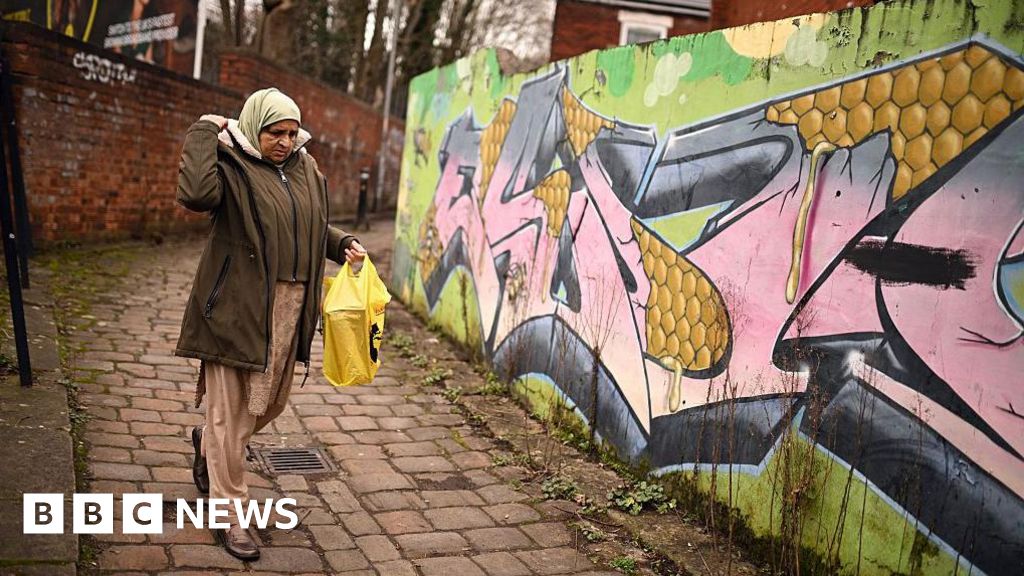
Gorton and Denton has long been considered a Labour stronghold, with the party securing over half the vote here as recently as 18 months ago. The circumstances leading to this by-election are themselves a blow to Labour’s standing. The former MP, Andrew Gwynne, who had held the seat, was suspended after offensive text messages he had sent were publicly revealed, leading to his eventual resignation from Parliament. This incident not only created a vacancy but also cast a shadow over the local party and raised questions about candidate vetting and party discipline. The by-election thus became an immediate test of Labour’s ability to retain a seemingly safe seat under challenging conditions.
The contest also exposed internal party tensions. Greater Manchester’s popular Mayor, Andy Burnham, reportedly viewed this by-election as a significant opportunity – a potential route back to Westminster and, for many, a stepping stone towards a future Labour leadership bid. However, Burnham’s ambitions were swiftly thwarted by Keir Starmer and Labour’s ruling National Executive Committee. The decision to block a high-profile figure like Burnham, seen by many as a potential future leader, sparked debate about Starmer’s control over the party and his willingness to sideline rivals. It also raised questions about whether the party prioritised internal unity and leadership authority over selecting the candidate with arguably the highest local profile and recognition.
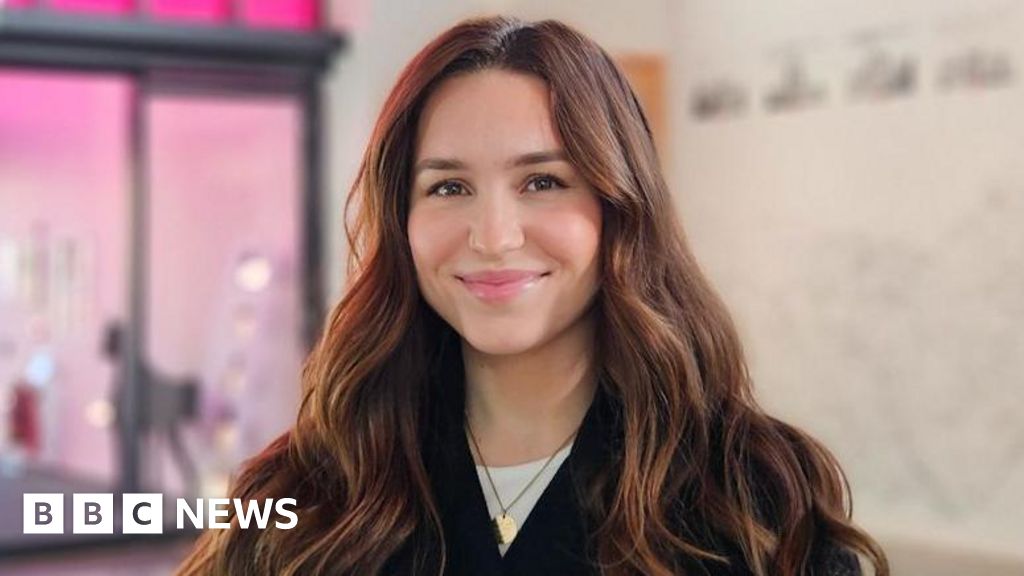
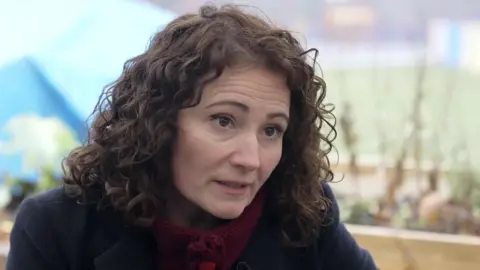
Instead, local councillor Angeliki Stogia was selected as the Labour candidate. Stogia’s selection, while a testament to local party processes, meant Labour entered the race with a less nationally recognised figure. Angeliki Stogia, who moved to Manchester from Greece three decades ago, brings a strong local presence and a history of community engagement. We met in a bustling park, seeking refuge from the persistent rain under a cafe’s gazebo. Stogia, like many candidates in the intense by-election spotlight, exuded a palpable nervous energy. The relentless pace of campaigning – the countless hustings, media appearances, and hours of door-knocking – is a gruelling test unlike any other political contest. She articulated her motivation for standing, emphasising her desire to combat what she termed the "division" being offered by Reform UK, framing the election as a choice for unity and community progress.
During our conversation, gaining clear confirmation of her opinion on Starmer’s suitability as Prime Minister required some persistence, but she eventually affirmed her belief in his leadership. More tellingly, when asked about Starmer’s presence on her campaign leaflets, she indicated he was not prominently featured. "I am at the heart of my leaflets," she insisted, a statement that could be interpreted as a strategic decision to localise the campaign and focus on her own credentials, or perhaps an unspoken acknowledgement of the challenges associated with Starmer’s current national popularity in certain areas. His absence from the campaign trail in Gorton and Denton further fuelled speculation about the national party’s confidence in the local race or a calculated move to avoid nationalising a potentially tricky contest.
Challenging Labour from the right is Reform UK, which has established a formidable campaign headquarters in an industrial unit within a local business park. Past a security guard at the entrance, a cavernous space reveals a highly organised operation, complete with an enormous Union Flag, stacks of campaign literature, and prominent images of party leader Nigel Farage alongside their candidate, Matt Goodwin. Goodwin, an academic by profession who once specialised in studying right-wing politicians, has made the transition to becoming one himself, gaining further public profile as a columnist and presenter on GB News. He campaigns on the premise that Labour has taken voters in the constituency for granted, expressing strong, often provocative, opinions on issues such as immigration and integration.
When pressed on comments from a recent blog where he stated that "Trump is right. Europe is facing civilizational erasure," Goodwin was unyielding. He retorted, "Do you not have concerns about the direction of Europe? We have very real problems with the pace of change in Western nations." His comments highlight Reform UK’s national platform, which resonates with a segment of the electorate concerned about cultural shifts, national identity, and perceived failures of mainstream parties to address these issues. For Gorton and Denton, a constituency with diverse demographics and economic challenges, Goodwin’s message aims to tap into a sense of disillusionment and a desire for radical change.
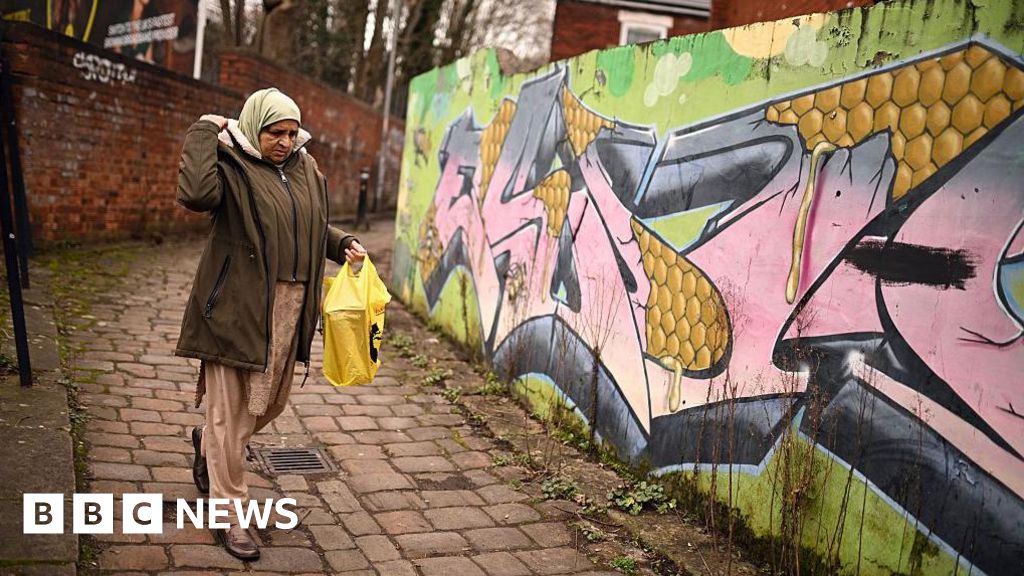
The constituency itself is a complex tapestry of communities, and its name, Gorton and Denton, barely scratches the surface of its true composition. It also encompasses areas like Levenshulme and Burnage, famously the childhood home of Oasis’s Gallagher brothers. This "slightly bodged-together assortment" is, as political scientist Rob Ford aptly describes, "a tale of two Manchesters on opposite edges of Labour’s unravelling electoral coalition." On one side, there are areas characterised by an influx of university students and graduates, with a significant Muslim population, accounting for 40% of residents in some parts. These areas often exhibit more progressive social attitudes and a focus on environmental and social justice issues.
Conversely, another significant portion of the constituency is 83% white, with many residents engaged in low-paying jobs and facing significant economic hardship. These areas often express concerns about traditional working-class issues, local services, and cultural identity. Across the constituency, common grievances include littering and fly-tipping, visible signs of neglect and underinvestment. Many residents I encountered appeared vulnerable, struggling with the daily realities of life. One young man in his twenties, whom I met in a cafe, declined an interview but shared a poignant snapshot of his life: unemployed, living with his grandparents, with a father in prison and a mother struggling with drug addiction. His request for reassurance that "things would work out for him" underscored the deep-seated anxieties and hopes for a better future that permeate the community, making it fertile ground for parties promising change.
Gaza’s future remains a deeply significant issue for many voters, particularly within the constituency’s large Muslim population. The Green Party has actively championed this cause, with Palestinian flags visibly emblazoned on many of their campaign leaflets, indicating a clear strategy to appeal to voters for whom foreign policy and human rights are paramount. The Greens are notably optimistic about their chances of securing the seat, capitalising on both this specific issue and a broader appeal to environmental consciousness and social justice.
Their candidate, Hannah Spencer, epitomises a different kind of political hopeful. She arrived more than an hour late for our meeting, delayed by traffic on her way back from a plastering course – a telling detail for a candidate who is already a qualified plumber. Her practical skills and working-class background aim to connect with voters seeking authentic representation. When questioned about past online comments where she expressed being "glad" to move out of the area and described it as being full of "money laundering takeaways," Spencer responded with refreshing candour. "Like a lot of people, it’s taken me a while to become proud of the places I’ve lived. I’ve struggled a lot in the years that I was here… I think that’s the feeling that a lot of people share." Her acknowledgement of personal struggle and evolving perspective seeks to resonate with residents who may feel similarly conflicted about their community.
The Conservative candidate is Charlotte Cadden, a former police officer whose career included leading the team responsible for protecting Members of Parliament. Now, she seeks to join their ranks. While her party surprisingly came second in the constituency in the 2019 general election, they were relegated to a distant fifth place in the more recent 2024 general election, reflecting a significant shift in local political allegiances and the broader national landscape. Despite the uphill battle in a traditionally Labour-held seat, Cadden remains resolute. When asked about her chances of victory, she refused to rule anything out. "I have got 30 years in policing, I’ve worked in this area. I live here… It might be overambitious, but I think we’re going to do very well," Cadden asserted, banking on her local ties and extensive public service experience to cut through the noise.

A lot has indeed changed in Gorton and Denton since Labour’s seemingly solid victory in 2024. The by-election is not just a local contest; it is a microcosm of the deeper shifts and anxieties running through the British electorate. The fact that the result here seems so unpredictable – a seat that would once have been a safe bet for Labour – is stark evidence of the precariousness of Sir Keir Starmer’s position and the broader challenges facing the Labour Party as it attempts to rebuild its "red wall" support while navigating new political currents. For Labour, a failure to win convincingly, or even a significantly reduced majority, would send a clear and troubling message about the electorate’s diminishing loyalty and the long road ahead to securing a national mandate. The Gorton and Denton by-election, therefore, stands as a critical barometer, offering a glimpse into the evolving political landscape and the tough fight ahead for all parties.


 George Anjay
 Roy Suryo
 atisusanti
 Nakalama John