
 Nana Banana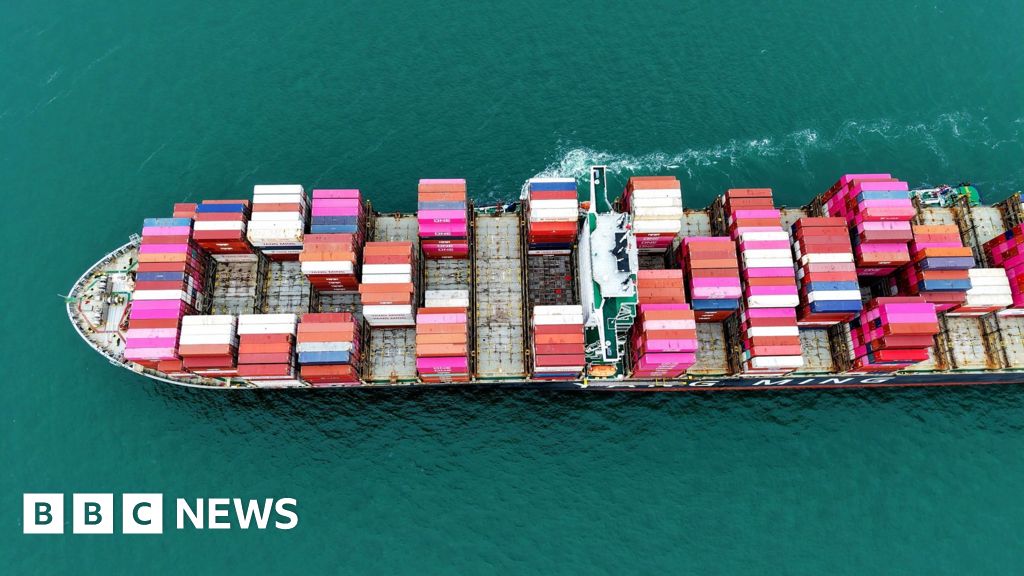
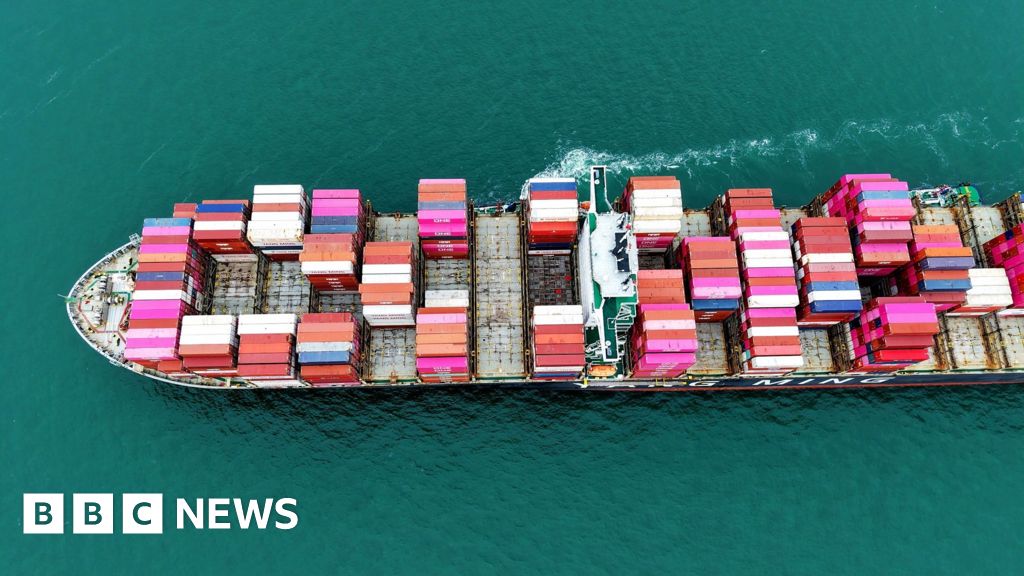
The proposed agreement, often referred to as the IMO Net-Zero Framework, was designed to mandate ship owners to adopt increasingly cleaner fuels and technologies starting from 2028, with fines for non-compliance. This framework was seen as a crucial step towards decarbonizing an industry responsible for approximately 3% of global greenhouse gas emissions, a figure projected to rise substantially in line with the growth of international trade, as over 90% of goods worldwide are transported by sea. The International Maritime Organization (IMO), the UN agency responsible for regulating shipping, had brought together over 100 nations to finalize the historic accord, which aimed to set a precedent for global industry-wide climate action.
Initially, the deal garnered broad support, not just from climate-conscious nations but also from segments of the shipping industry itself. Industry leaders, including the International Chamber of Shipping, had largely thrown their weight behind the framework, valuing the prospect of consistent, globally harmonized standards over a fragmented patchwork of national or regional regulations. They argued that such a unified approach was essential for long-term planning and investment in cleaner technologies and fuels, providing the clarity and predictability needed for significant capital expenditures.
However, the consensus began to unravel following increasingly vocal objections from the United States. President Donald Trump, a staunch critic of global climate initiatives, labelled the plan a "green scam" and later intensified his rhetoric, calling it a "Global Green New Scam Tax on Shipping." His administration, spearheaded by figures like Secretary of State Marco Rubio, launched an aggressive campaign, reportedly threatening countries with punitive tariffs if they dared to vote in favor of the deal. This strong-arm tactic sent ripples of apprehension through many nations, particularly those with significant trade ties to the US or those heavily reliant on its economic leverage.
The climax arrived during the IMO’s crucial meeting in London. What was intended to be a procedural session for final approval transformed into a tense geopolitical standoff. On Friday, when the final vote on the agreement was expected, Saudi Arabia, a key oil-producing nation and ally of the US, unexpectedly tabled a motion to adjourn the talks for a full year. This move, strategically timed, effectively meant the abandonment of the current agreement, as its carefully constructed timelines and mechanisms would become obsolete. The chairman of the meeting confirmed that such an adjournment would necessitate a complete revision of the treaty’s key timelines, rendering the current draft null and void.
The motion to delay passed by a mere handful of votes, a testament to the intense lobbying and pressure exerted behind the scenes. The voting patterns revealed a fractured international community. The United Kingdom and most European Union nations voted against the adjournment, advocating for the continuation of talks and the approval of the deal. However, some EU members, notably Greece, which possesses a large shipping fleet, chose to abstain, reflecting the internal divisions and the economic pressures at play. On the other side, Russia, Saudi Arabia, and, crucially, the United States, voted in favor of adjourning the talks, consistently citing concerns that the deal would inevitably lead to increased prices for consumers globally.
Perhaps most tellingly, several key countries that had initially supported the deal in April changed their positions. China, a major shipping power, agreed to delay proceedings, signalling a shift from its earlier stance. Even small island developing states (SIDS), which are among the most vulnerable to climate change and had been strong proponents of ambitious shipping decarbonization, succumbed to pressure. Delegates from the island states group reportedly informed the BBC that nations like the Bahamas and Antigua and Barbuda, who had previously agreed to the deal, either changed their vote or abstained due to intense lobbying from the Trump administration, highlighting their economic dependence on the US.
The collapse of the deal triggered a wave of disappointment and alarm from various quarters. Hon. Ralph Regenvanu, Minister for Climate Change for the Republic of Vanuatu, one of the island nations on the front lines of climate change, condemned Saudi Arabia’s motion as "unacceptable given the urgency we face in light of accelerating climate change." He reiterated that while the IMO’s Net-Zero Framework "lacked the ambition that climate science demands," it nonetheless represented a "significant step."
The shipping industry also expressed its dismay. Thomas Kazakos, secretary-general of the International Chamber of Shipping, stated, "We are disappointed that member states have not been able to agree a way forward at this meeting." He underscored the industry’s critical need for "clarity to be able to make the investments" required for decarbonization, warning that the uncertainty created by the deal’s collapse would hinder progress.
Even the IMO’s own Secretary General, Arsenio Dominguez, issued a "plea" for such a dramatic obstruction not to be repeated, reflecting the frustration within the organization over the political interference. Environmental NGOs were equally vocal in their criticism. Blánaid Sheeran, a policy officer at Opportunity Green and an observer to the talks, warned that "a delay in action may require changes to the text of agreement that undermine the planned timeline, and could revert years of work to date," highlighting the significant setback this represented for climate action.
The underlying challenge of decarbonizing shipping is substantial. Unlike other sectors that have made strides in reducing emissions, shipping has struggled, largely due to the lack of a cost-effective alternative to conventional marine diesel. Faig Abbasov, programme director for maritime transport at the think tank Transport and Environment, explained during previous IMO negotiations, "There is no fuel as cheap as diesel that ships use today because when we take crude oil out of the ground, we take out all the nice bits, that’s the kerosene for aviation, diesel and petrol for cars." The proposed deal sought to create the economic incentive necessary to drive the transition to cleaner, albeit more expensive, fuels.
The immediate implications of this abandonment are profound. For climate action, it represents a significant blow, delaying crucial efforts to curb emissions from a rapidly growing sector. For the shipping industry, it creates immense uncertainty, potentially leading to a fragmented regulatory landscape as individual nations or regions may pursue their own emission reduction policies, making international compliance far more complex and costly. Geopolitically, it underscores the fragility of multilateral climate agreements in the face of strong national interests and protectionist sentiments, particularly from powerful economic actors like the United States.
While the deal is not necessarily dead forever, its carefully constructed timeline for regulations to be in place by 2028 is now unfeasible. The path forward is unclear, with possibilities ranging from renewed, arduous negotiations to a fragmented approach where different regions implement their own shipping emission standards. The landmark opportunity for shipping to lead the way in global industry-wide decarbonization has, for now, been tragically lost, casting a long shadow over the future of climate cooperation.



 Ramos Leo
 atisusanti
 Nakalama John
 George Anjay

 Roy Suryo