Nana Banana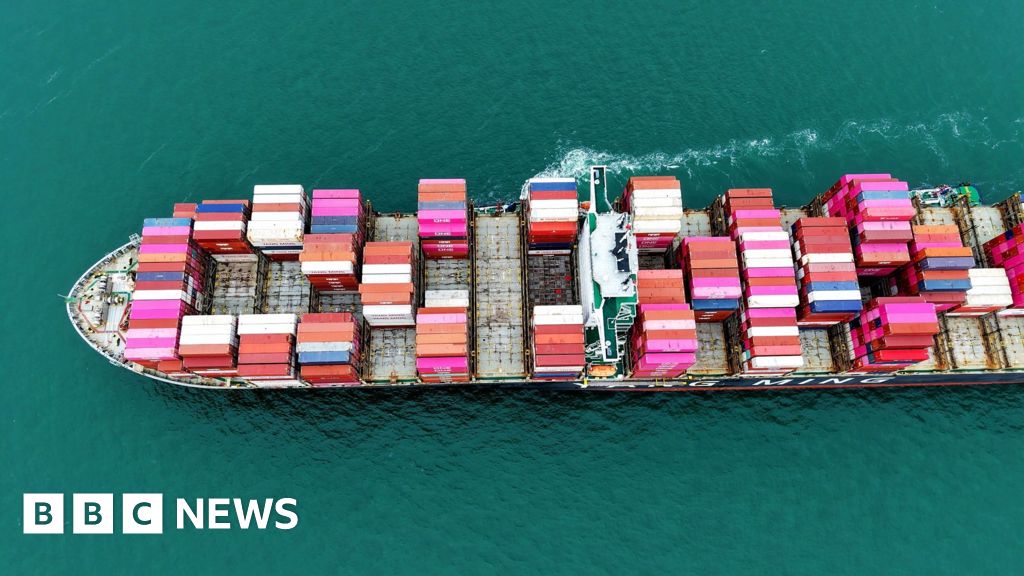
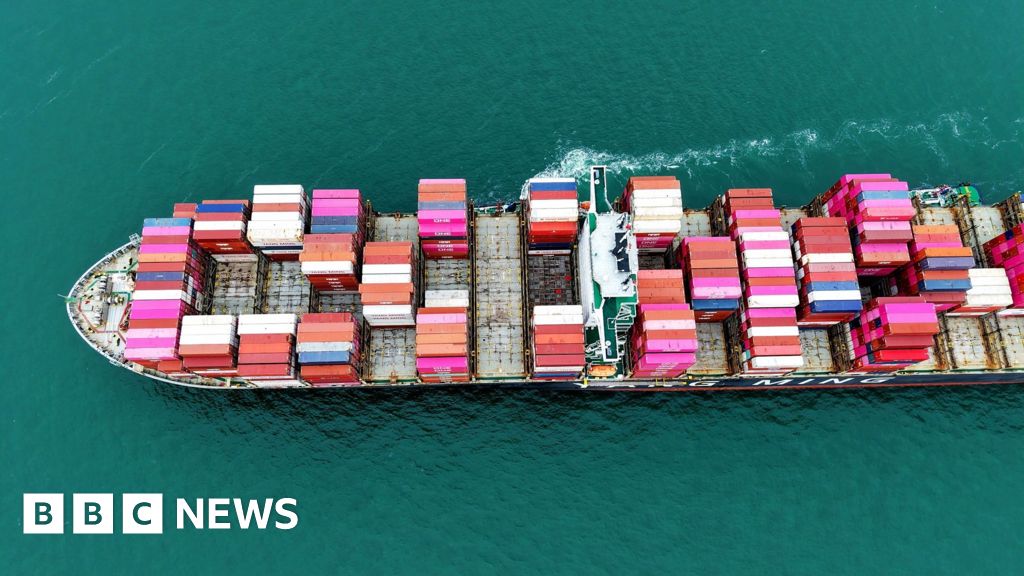
The crucial gathering in London saw more than 100 nations convene under the auspices of the International Maritime Organization (IMO), the United Nations agency responsible for regulating shipping. The expectation was to finalize and formally approve the "Net-Zero Framework," a comprehensive plan designed to compel ship owners to adopt increasingly cleaner fuels or face substantial fines starting from 2028. This framework represented a monumental step, as the shipping industry, unlike many other sectors, has historically struggled to reduce its emissions, primarily due to the lack of strong economic incentives for transitioning away from cheap, heavy fuel oils.
The primary architect of the deal’s undoing was the administration of US President Donald Trump, who publicly denounced the plan as a "green scam." Representatives from his government actively engaged in diplomatic maneuvers, reportedly threatening countries with punitive tariffs if they dared to vote in favor of the emissions reduction agreement. Following the dramatic conclusion of the talks, US Secretary of State Marco Rubio lauded the outcome as a "huge win" for President Trump, underscoring the political weight assigned to derailing the climate initiative.
The intense pressure exerted by the United States did not go unnoticed, prompting an extraordinary plea from the Secretary General of the International Maritime Organization, Arsenio Dominguez. He publicly urged member states to ensure that such tactics would not be repeated in future negotiations, highlighting the corrosive effect of external political coercion on multilateral environmental agreements. This unprecedented intervention from the head of the IMO underscored the severity of the diplomatic environment surrounding the talks.
The final act of the deal’s collapse unfolded dramatically on Friday, the day designated for the agreement’s approval. Instead of a vote to ratify, Saudi Arabia unexpectedly tabled a motion to adjourn the talks for a full year. This procedural move, supported by the US, effectively ensured that the agreement would not be approved as planned, as critical timelines embedded within the treaty would necessitate extensive revision, essentially unraveling years of negotiation. The motion ultimately passed by a narrow margin, a mere handful of votes sealing the fate of the landmark deal.
The reaction from nations deeply concerned about climate change was swift and condemnatory. Hon. Ralph Regenvanu, the Minister for Climate Change for the Republic of Vanuatu, a nation particularly vulnerable to rising sea levels and extreme weather events, voiced strong disapproval. He described Saudi Arabia’s motion as "unacceptable given the urgency we face in light of accelerating climate change." While acknowledging that the IMO’s Net-Zero Framework might have fallen short of the most ambitious targets demanded by climate science, Minister Regenvanu emphasized its significance as a crucial first step toward decarbonization.
The shipping industry itself, which would have been directly impacted by the regulations, had largely expressed support for the deal. This stance stemmed from the desire for consistent, globally standardized regulations, which would provide a level playing field and predictability for long-term investments in cleaner technologies and fuels. Thomas Kazakos, the secretary-general of the International Chamber of Shipping, an influential industry body, articulated this disappointment: "We are disappointed that member states have not been able to agree a way forward at this meeting." He stressed the industry’s need for "clarity to be able to make the investments" required for a green transition. The lack of a clear regulatory pathway now creates uncertainty, potentially hindering innovation and investment in sustainable shipping solutions.
The voting patterns revealed a complex geopolitical landscape. The United Kingdom and the majority of European Union nations cast their votes in favor of continuing the talks, signaling their commitment to the climate deal. However, some EU members, notably Greece, which possesses a significant shipping fleet, diverged from the bloc’s position by abstaining from the vote, reflecting internal divisions or specific national interests.
The coalition that successfully pushed for the adjournment included Russia, Saudi Arabia, and the United States. These nations consistently voiced concerns that the proposed emissions reduction measures would inevitably lead to increased operational costs for shipping, which would then translate into higher prices for consumers globally. This argument formed a cornerstone of their opposition, framing the climate initiative as an economic burden rather than an environmental imperative.
Crucially, some key countries that had initially supported the deal in April changed their positions, agreeing to delay proceedings. China, a major player in global trade and shipping, was among these nations. Furthermore, several small island developing states (SIDS), including the Bahamas, and Antigua and Barbuda, which had previously endorsed the agreement, either abstained or altered their stance. A delegate representing the island states group reportedly confided to the BBC that these nations, heavily reliant on the United States for trade and economic ties, had been subjected to intense pressure from the Trump administration to shift their votes, illustrating the potent leverage of economic influence in international negotiations.
The original deal, forged after a decade of intricate negotiations, had been hailed as historic. It was envisioned to pave the way for a global transition in shipping, mandating that from 2028, ship owners would be required to utilize increasingly cleaner fuels or face significant financial penalties. This mechanism was designed to internalize the environmental cost of emissions, thereby incentivizing the adoption of more sustainable practices across the vast global fleet.
The urgency of addressing shipping emissions is undeniable. The sector currently accounts for approximately 3% of global greenhouse gas emissions, a figure that is projected to rise significantly in line with the growth of global trade. With an astonishing 90% of all goods transported via the sea, the industry’s environmental footprint is substantial and growing. Unlike other sectors that have made strides in decarbonization, shipping has faced unique challenges, primarily the absence of a viable and cost-effective alternative to the heavy fuel oils commonly used today. Faig Abbasov, program director for maritime transport at the think tank Transport and Environment, highlighted this challenge during earlier IMO negotiations: "There is no fuel as cheap as diesel that ships use today because when we take crude oil out of the ground, we take out all the nice bits, that’s the kerosene for aviation, diesel and petrol for cars." The economics of cheap fossil fuels have made the transition to cleaner alternatives particularly difficult for the industry.
The meeting in London was meant to be the final step in a meticulously planned process, providing the ultimate approval and outlining the specific next steps for implementation. However, the escalating vocal opposition from the US since April, centered on concerns about potential price increases for American consumers, ultimately undermined this process. President Trump’s strong sentiments were publicly reiterated on Truth Social the night before the decisive vote: "The United States will NOT stand for this Global Green New Scam Tax on Shipping. We will not tolerate increased prices on American Consumers."
The adjournment of the talks means that the carefully orchestrated timeline to implement the regulations by 2028 is now almost certainly unfeasible. This delay carries profound implications, as articulated by Blánaid Sheeran, an observer to the talks and policy officer at environmental NGO Opportunity Green. Sheeran warned that "a delay in action may require changes to the text of agreement that undermine the planned timeline, and could revert years of work to date." The abandonment of this landmark deal represents a significant blow to global climate efforts and underscores the persistent challenges of forging consensus on environmental policy in a deeply interconnected yet politically fragmented world.




 George Anjay
 Ramos Leo
 Nakalama John