Ramos Leo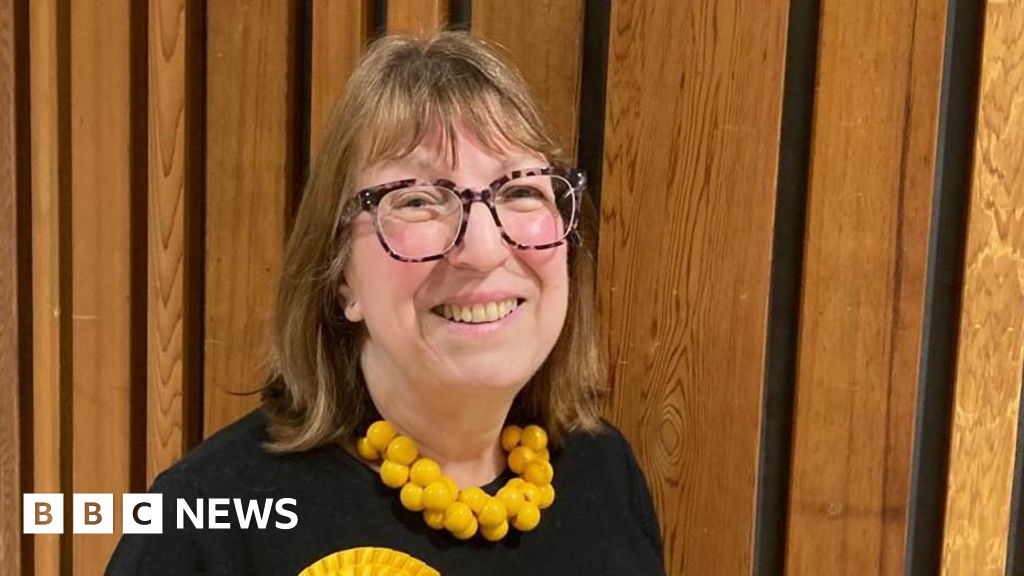
Alison Barnes, a familiar face in the Zetland community, clinched the seat, garnering just over 50% of the votes cast. Her success returns her to the council chambers, having previously represented the ward from 2019 to 2023 before losing her seat in the last round of local elections. Her campaign focused heavily on tangible local issues that resonate directly with residents, such as the persistent problem of potholes and the need for improved maintenance of grass verges. Barnes emphasized her deep-rooted commitment to serving local people, a promise that clearly struck a chord with voters. Her consistent engagement with the community, even during her time out of office, was a key factor she believes contributed to her re-election, demonstrating a dedication that transcended formal political roles.
The by-election was triggered by the resignation of Independent councillor Jonny Neal, creating an open contest in the Redcar and Cleveland ward. This provided an opportunity for various parties to test their local appeal, but it was the Liberal Democrats who capitalized most effectively, navigating a complex political landscape that saw a prominent rival candidate embroiled in scandal. Barnes’ triumph suggests a strong local connection and a successful campaign strategy that prioritized community concerns over broader political narratives, particularly in a ward that had seen a shift towards Labour in the most recent local elections.
The most prominent storyline, however, revolved around Mike Manning, the Reform UK candidate. Despite Reform UK withdrawing its support, Manning’s name still appeared on the ballot paper. This procedural hurdle arose because the deadline for substituting candidates had already passed when the revelations about his past conduct emerged. Manning himself expressed a desire to withdraw from the race, acknowledging the gravity of the situation, but was legally unable to do so at that late stage. He finished third in the polling, trailing both the Liberal Democrats and Labour, a result that undoubtedly reflected the damage caused by the controversy.
Reform UK had moved swiftly to distance itself from Manning once the offensive nature of his social media posts came to light. The party unequivocally stated that if elected, Manning would not be permitted to sit as a Reform UK councillor. A spokesperson for Reform UK described the unearthed posts as "unacceptable," signaling a clear condemnation of the sentiments expressed. The Liberal Democrats were instrumental in bringing these posts to public attention. Daisy Cooper, the Lib Dem deputy leader, specifically highlighted that Manning’s now-deleted social media account had contained "sickening insults at Jewish and Muslim communities," details that naturally provoked widespread outrage and concern. This public exposure and subsequent party disavowal severely hampered Manning’s campaign and likely impacted Reform UK’s standing in the ward.
The turnout for the by-election was recorded at 26.78%, with a total of 886 ballot papers counted. While this figure might seem modest, it is relatively consistent with typical participation rates for local council by-elections, which often struggle to ignite the same level of voter engagement as general elections. The full breakdown of the votes saw Alison Barnes secure approximately 450 votes, representing just over 50% of the total. Labour garnered 191 votes, accounting for approximately 22% of the total, placing them second. Mike Manning, despite the controversy, managed to secure 119 votes, approximately 13%, placing him in third. Following these were the Green Party and the Conservatives, with estimated votes of around 70 and 56 respectively, rounding out the field. The Local Democracy Reporting Service provided these figures, underscoring the granular detail of local electoral contests.
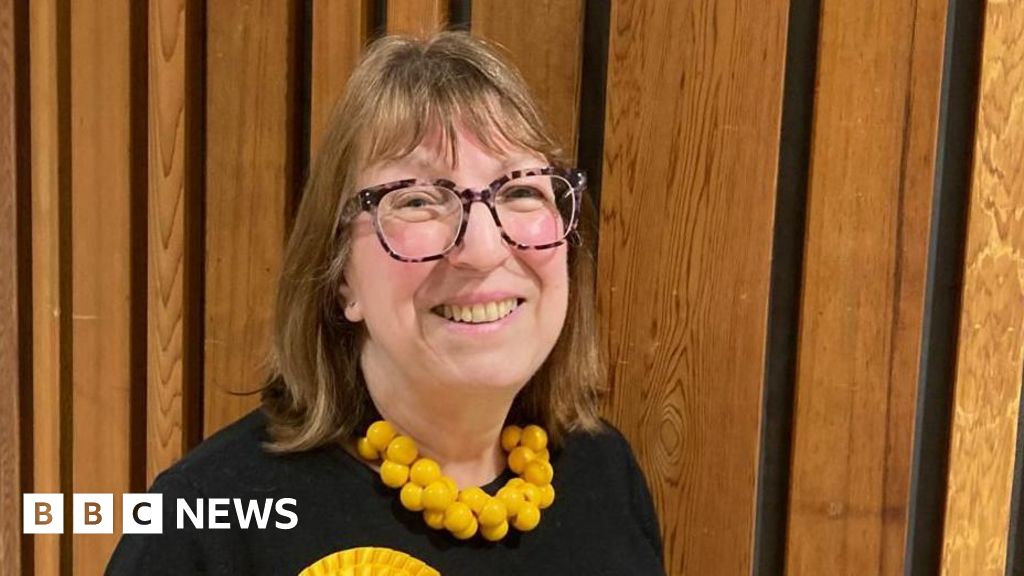
Barnes expressed immense satisfaction with the outcome, stating she was "really, really pleased" with the result. Her comments also offered an analysis of the shifting political tides in Zetland. She noted that the Labour Party’s "star has somewhat waned" since the last local elections in 2023, where two Labour councillors were elected in the ward. This observation suggests a potential cooling of Labour support in the area or a successful strategy by the Liberal Democrats to reclaim ground. Barnes attributed her personal success to her continuous engagement with the community, even when not formally holding office. This grassroots approach, focusing on tangible improvements and being accessible to residents, clearly resonated with the electorate, demonstrating the power of consistent local advocacy.
The Reform UK controversy had sparked significant concern within electoral circles. There were genuine worries that if Mike Manning had won the by-election, the entire process might have needed to be re-run. This scenario would have arisen if Manning, in light of his public disavowal and resignation from the party, had refused to sign the necessary papers to formally accept his position as a councillor. Such a situation would have led to considerable logistical and financial burdens for the Redcar and Cleveland Borough Council, necessitating a fresh election and extending the period of underrepresentation for the ward. Manning had previously taken steps to distance himself from the process, with the local branch of Reform UK suspending campaigning on his behalf, and he had publicly stated his resignation from party membership. These actions, while demonstrating his personal withdrawal, highlighted the unique and challenging position created by the timing of the revelations.
Beyond the immediate local context, this by-election offers a glimpse into broader political dynamics. For the Liberal Democrats, this victory is a welcome boost, reinforcing their narrative as a party capable of winning in specific local areas, often by focusing on community-level issues and providing a distinct alternative to the two major parties. It suggests that their strategy of targeted campaigning and strong local candidates can yield results, even in areas where their national presence might be less dominant.
For Reform UK, the incident serves as a stark reminder of the rigorous vetting processes required for political candidates. In an age where social media footprints are extensive and easily scrutinized, parties face increasing pressure to ensure that their representatives uphold acceptable standards of conduct and expression. The rapid disavowal of Manning was an attempt to mitigate damage, but the lingering presence of his name on the ballot and the subsequent vote count highlight the complexities of managing such crises in the midst of an active election cycle. The episode could prompt Reform UK to review and strengthen its candidate selection procedures, especially as the party seeks to expand its footprint across the country.
The Redcar and Cleveland Borough Council itself faces ongoing challenges common to many local authorities, including managing public services with limited budgets, addressing economic regeneration, and maintaining local infrastructure. Alison Barnes’ stated priorities – potholes and grass verges – are indicative of the everyday concerns that directly impact residents’ quality of life. Her return to the council means she will immediately be tasked with translating her campaign pledges into actionable policy and working within the council to advocate for the Zetland ward. Her previous experience on the council will undoubtedly aid her in navigating the procedural and political landscape.
In conclusion, the Zetland by-election was a multi-layered event. It delivered a clear victory for the Liberal Democrats and Alison Barnes, who successfully campaigned on local issues and leveraged her community ties. Simultaneously, it exposed the vulnerabilities of political parties to candidate controversies in the digital age, forcing Reform UK into an awkward public disavowal. The outcome provides the Liberal Democrats with fresh momentum in the region and underscores the critical importance of robust candidate vetting for all political parties, especially as the nation gears up for future electoral contests. Barnes now steps into her role with a clear mandate to address the practical concerns of her constituents, beginning a new chapter for the Zetland ward on the Redcar and Cleveland Borough Council.

 Roy Suryo
 atisusanti
 Nakalama John

 Nana Banana