
 Nana Banana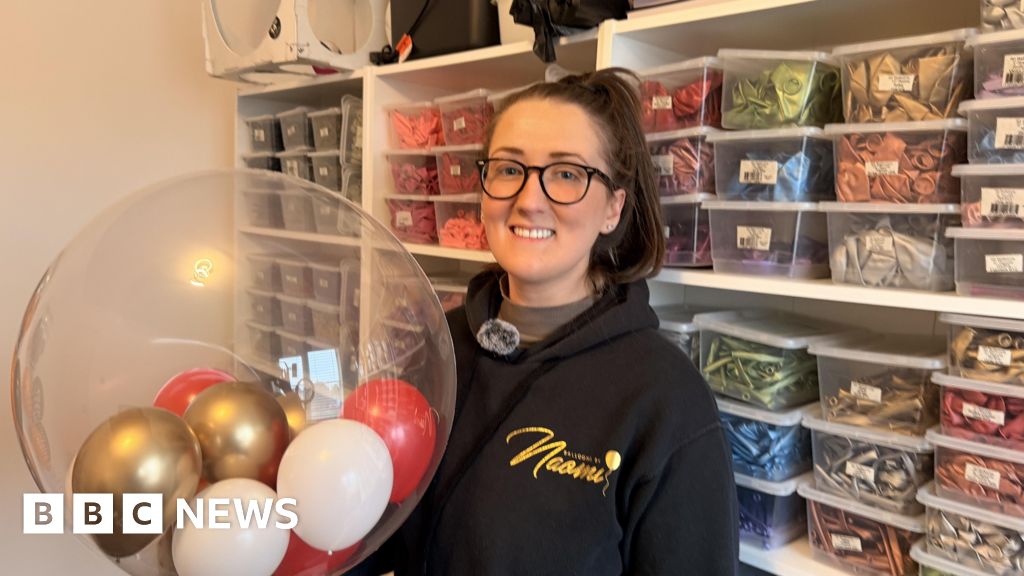
"Your balloon releases aren’t going to heaven," declares Naomi Spittles, a Lincoln-based balloon seller who has taken a firm stand against the environmental damage caused by releasing balloons into the atmosphere. For eight years, Spittles, 32, has been a fixture in the party and event industry, but her commitment to sustainability has led her to refuse service to customers intending to release balloons, citing their devastating impact on wildlife and the environment. This principled stance recently saw her turn down a significant order for 200 balloons destined for a memorial, a decision she made without hesitation due to her deep-seated belief that "what goes up, must come down, and they don’t go to heaven."
Spittles’ passion for her business is evident, but her frustration with the persistent misconception surrounding balloon releases is palpable. "It really infuriates me that people still think that balloons go up to heaven," she states, highlighting the common belief that these colourful tributes simply disappear or ascend indefinitely. She understands that people grieve and celebrate in different ways, but she firmly believes that these acts of remembrance or joy should not come at the cost of environmental harm. Her refusal to provide balloons for release is a direct act of preventing potential animal deaths and litter, aligning her business practices with her environmental convictions.
The environmental consequences of balloon releases are far-reaching and well-documented. Once released, balloons can travel vast distances, carried by wind and air currents, before eventually deflating and falling back to earth, often landing in oceans, rivers, forests, or agricultural land. These fallen balloons, whether made of latex or foil, along with their attached strings and ribbons, become dangerous litter. Marine life, birds, and even land animals frequently mistake deflated balloons or their fragments for food, leading to ingestion that can block digestive tracts, cause starvation, or result in a slow, painful death. The ribbons and strings pose an additional threat, capable of entangling and strangling wildlife.
Naomi Spittles is not alone in her call for a national ban on balloon releases. Her position is strongly echoed by industry bodies and conservation organisations alike. NABAS (National Association of Balloon Artists and Suppliers), a leading representative body for the balloon and party industry, explicitly states its opposition: "We do not support the release of helium balloons in any way. Whilst it is not currently illegal, released balloons create unwanted and sometimes dangerous litter both on land and in the sea." This alignment between a small business owner and a national industry association underscores the growing consensus regarding the detrimental effects of this practice.
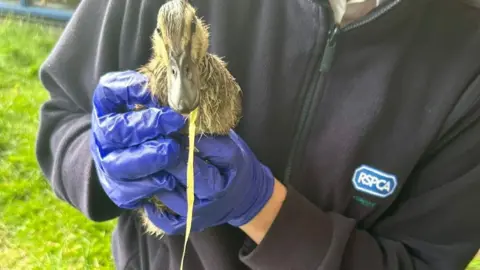
Evidence of this harm is tragically abundant. The RSPCA, a prominent animal welfare charity, has documented numerous cases of animals suffering due to balloon litter. Evie Button, the RSPCA’s senior scientific and policy officer, explains the grim reality: "Deflated or fragments of balloons can be mistaken for food. Ingesting balloons can cause a slow death to wild birds and mammals as well as farm animals, horses and marine life, by blocking the digestive or respiratory tracts, and the attached strings can strangle." A poignant example cited by the RSPCA involved a duckling found in West Bromwich with a long yellow ribbon from a balloon dangling from its mouth, a stark reminder of the immediate danger these items pose. Button also stresses that even balloons labelled as "degradable" are not safe, as they can take months to break down, during which time they still present a significant risk to wildlife.
The problem of balloon litter is a pervasive one, impacting coastlines and natural habitats across the UK. The Marine Conservation Society (MCS) has been tracking this issue for decades through its extensive beach clean initiatives. According to their data, an alarming 44% of beach cleans conducted in 2024 recorded balloon litter. The charity’s statistics since the 1990s reveal a worrying trend, showing an increase in balloon litter on surveyed beaches, peaking at 69% in 2018 before a slight, but insufficient, decline. This data highlights the widespread nature of the problem and the urgent need for comprehensive action. Catherine Gemmell from the Marine Conservation Society emphasises the unpredictable journey of released balloons: "Once someone releases a balloon, no matter where they’ve released it, it could be travelling anywhere," illustrating how a seemingly innocuous act in one location can have devastating consequences far afield.
Recognising these dangers, a growing number of local authorities across the UK have already implemented bans on balloon and lantern releases. The Marine Conservation Society reports that over 100 councils have taken such steps. Lincolnshire County Council, where Naomi Spittles’ business is based, implemented its own ban in 2020. This policy applies to land owned and maintained by the council, as well as adopted highways, though it does not extend to air-filled latex balloons or releases on private land. This local action is a positive step, but the patchwork nature of these bans means that the problem persists in areas without such regulations. For instance, East Riding of Yorkshire Council, while not having a formal ban, "strongly advised against" releases, indicating a clear awareness of the issue without full prohibition.
Kirsty Salisbury, manager of East Riding Coastal Services, regularly witnesses the fallout of balloon releases. During a walk with her dog on Bridlington beach in February, she found "four or five balloons" within a single area, a common occurrence that underscores the scale of the problem. Her experiences go beyond mere litter; she has found balloons "with animals attached" and, tragically, even a dead puffin. The plight of puffins, whose numbers are already declining, makes such preventable deaths particularly heartbreaking. Salisbury laments, "It’s sad to see their lives end for purposes where they didn’t really need to be tangled up."
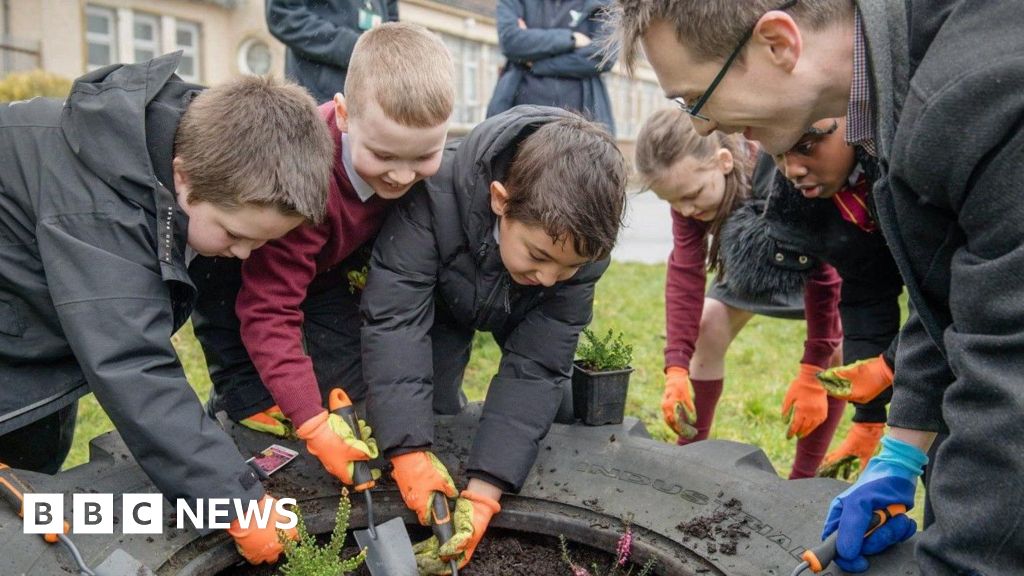
In light of these grim realities, both conservationists and responsible business owners like Naomi Spittles advocate for alternative ways to celebrate and commemorate. Kirsty Salisbury actively encourages people to "plant trees, flowers or bulbs rather than releasing balloons." These alternatives offer a lasting, living tribute that contributes positively to the environment rather than polluting it. Planting a tree or a patch of wildflowers creates a habitat for wildlife, beautifies the landscape, and provides a tangible, sustainable way to remember a loved one or mark a special occasion.
The movement against balloon releases reflects a broader shift in environmental awareness, where individual actions are increasingly understood to have collective impacts. Naomi Spittles’ refusal to supply balloons for release is more than a business decision; it’s a powerful statement about responsibility and stewardship. Her direct challenge to the popular sentiment – "Your balloon releases aren’t going to heaven" – aims to shatter romanticised notions and bring home the stark environmental truth. As more local authorities implement bans and public awareness grows, the hope is that the UK will eventually adopt a nationwide prohibition, ensuring that celebrations and memorials do not inadvertently contribute to the suffering of wildlife and the degradation of our natural world.


 George Anjay
 Ramos Leo
 Roy Suryo
 atisusanti
 Nakalama John