Ramos Leo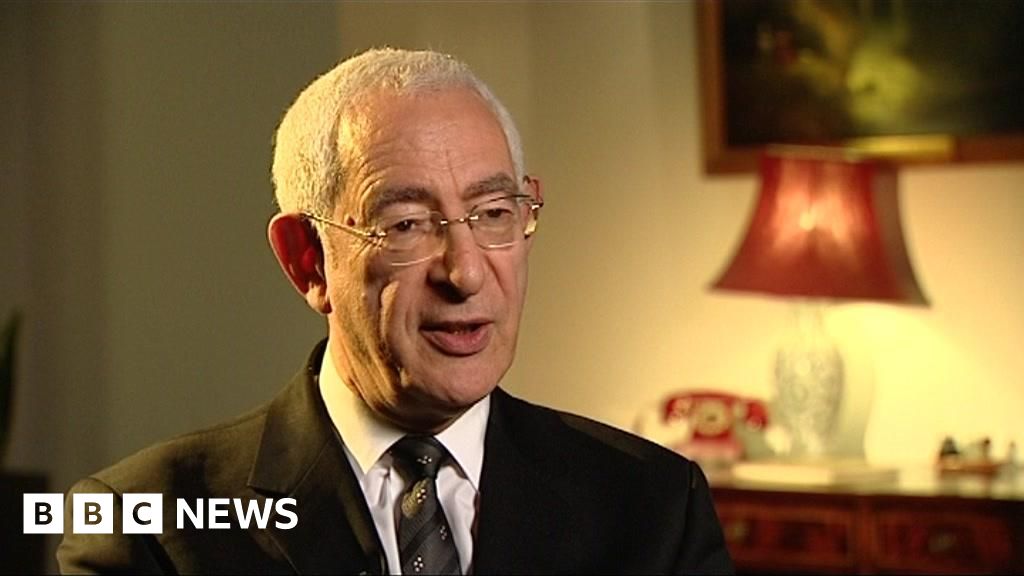
Lord David Triesman, a figure whose distinguished career spanned the realms of academia, trade unionism, national politics, and English football, has died at the age of 82. His passing on Friday night, described by the Labour Party as "peacefully and at home," marks the end of a life dedicated to public service and progressive causes, leaving an indelible mark on numerous institutions.
Born David Triesman on 30 October 1943, his early life was shaped by an intellectual curiosity and a commitment to social justice that would define his later endeavours. His academic journey led him to the University of Reading and then to the University of Essex, where he pursued studies that laid the groundwork for his future roles. It was during these formative years that Triesman developed a keen understanding of social structures and a passion for advocating on behalf of others, particularly within the education sector.
Before his ascent to national political prominence, Triesman made significant contributions to the trade union movement, championing the rights of academics and educators. He served with distinction as the General Secretary of the Association of University Teachers (AUT), a crucial period during which he navigated the complexities of higher education policy, funding, and staff welfare. His leadership at the AUT was characterised by a firm but pragmatic approach, seeking to balance the demands of academic excellence with the need for fair working conditions. He was instrumental in negotiating improvements in pay and conditions for university staff, often engaging in robust but ultimately constructive dialogue with government bodies and university administrations. His tenure at the AUT solidified his reputation as an astute negotiator and a tireless advocate for his members, skills that would prove invaluable in his subsequent career.
Triesman’s commitment to the Labour Party was lifelong and profound. His dedication saw him rise through the ranks to become the General Secretary of the Labour Party, a pivotal role he held from 1999 to 2001. This period was critical for the party, as it sought to consolidate its position after the historic 1997 general election victory and prepare for the next electoral challenge. As General Secretary, Triesman was at the heart of the "New Labour movement," a political project spearheaded by Sir Tony Blair. His responsibilities included overseeing party administration, membership, and campaign strategies. He played a crucial role in modernising the party’s structures and ensuring its organisational readiness, often working behind the scenes to translate policy ambitions into practical action. Sir Tony Blair, reflecting on their time together, lauded Triesman as "a vital part of the New Labour movement," underscoring his integral role in shaping the party’s direction and success during a transformative era.
In 2004, David Triesman’s contributions were recognised with a life peerage, making him Lord Triesman of Tottenham in the London Borough of Haringey. This ennoblement marked his formal entry into government, where he served as a Foreign Office minister in the Blair administration. His ministerial portfolio involved a wide array of international relations, representing the UK’s interests on the global stage. He engaged in diplomatic efforts, policy discussions, and bilateral meetings, contributing to the nation’s foreign policy objectives. His experience in complex negotiations and his measured demeanour made him a respected voice within the Foreign Office.
Following Labour’s transition into opposition in 2010, Lord Triesman continued his dedicated service as the Shadow Minister for Foreign Affairs. In this capacity, he scrutinised government policy, held ministers to account, and articulated Labour’s alternative vision for international relations from the front bench of the House of Lords. Even beyond front-bench duties, he remained a highly active and respected member of the House of Lords until his death, participating in debates, scrutinising legislation, and contributing his expertise to several prominent select committees. His contributions were often characterised by thoughtful analysis and a deep understanding of the issues, ranging from international affairs to sport and education. Labour peer Baroness Angela Smith, Leader of the House of Lords, captured this sentiment, describing him as "respected and loved by his colleagues for his courtesy, kindness, wisdom, loyalty and generosity of spirit."
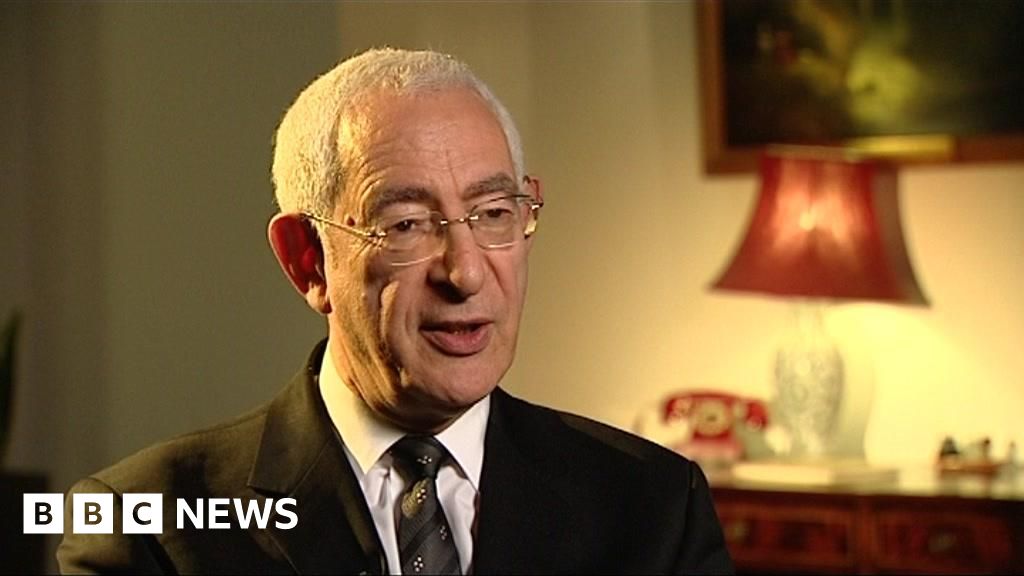
Beyond the political arena, Lord Triesman made an unexpected but impactful foray into the world of English football. A lifelong and passionate supporter of Tottenham Hotspur, his appointment as the first independent chairman of the Football Association (FA) in 2008 was a landmark moment for the sport. At a time when English football faced significant challenges, including issues of governance, financial transparency, and a persistent struggle with racism, Triesman was tasked with modernising the FA and steering it towards a more inclusive and progressive future.
During his tenure as FA chairman from 2008 to 2010, Lord Triesman emerged as a vocal and influential advocate for critical reforms. He spearheaded campaigns against racism in the sport, recognising the urgent need to create a more welcoming and equitable environment for players and fans alike. His commitment extended to actively supporting and promoting women’s football, a segment of the sport that was then far from receiving the widespread recognition and investment it enjoys today. He understood the potential of women’s football and worked to lay foundations for its growth and professionalisation, championing its development from grassroots to elite levels. His leadership helped set a new trajectory for the FA, moving it towards greater transparency and a more forward-thinking approach to its responsibilities.
Lord Triesman’s time at the FA, however, was not without its challenges. He was deeply involved in England’s bid to host the 2018 FIFA World Cup, a high-stakes endeavour that garnered significant national attention. It was during this period, in May 2010, that his chairmanship came to an abrupt end following a tabloid newspaper sting. He was secretly recorded in a private conversation, allegedly making remarks accusing rival bidders (Spain and Russia) of bribery. The controversy erupted when the Mail on Sunday published details of the recording. Lord Triesman swiftly resigned from both his role as FA chairman and as head of England’s World Cup bid, stating that his comments were part of a private conversation and "never intended to be taken seriously." The incident cast a shadow over his otherwise distinguished career and arguably contributed to England’s unsuccessful bid for the tournament.
Despite the difficult circumstances of his departure from the FA, Lord Triesman continued to speak out on issues of integrity in football. He later became a prominent voice calling for a cultural shift within FIFA, football’s global governing body, to address the pervasive allegations of corruption that plagued it at the time. His firsthand experience with the bidding process and the internal politics of international football gave weight to his calls for greater transparency and accountability, asserting that fundamental changes were needed to restore public trust in the sport’s highest echelons.
The news of Lord Triesman’s death prompted an outpouring of tributes from across the political spectrum and the world of sport. Prime Minister Sir Keir Starmer expressed his sadness on X (formerly Twitter), praising Triesman’s "brilliant contribution to our party and country." Sir Tony Blair, his former political leader, offered a heartfelt statement, emphasising Triesman’s unwavering passion: "He was passionate about the cause, whether the Labour Party or football, he was deeply committed to making change to improve people’s lives." Blair further highlighted his personal qualities, adding, "He was a gentle, genuine, good guy who put others before himself naturally and without hesitation." These tributes paint a picture of a man driven by principle, who combined intellectual rigour with a profound sense of compassion and public duty.
Lord Triesman leaves behind a legacy defined by tireless advocacy, intellectual leadership, and a commitment to progress in every field he touched. From shaping the future of higher education and trade union rights to modernising the Labour Party and fighting for integrity and inclusion in football, his influence was broad and enduring. His life exemplified the ideal of dedicated public service, marked by a deep-seated desire to improve the lives of others and to leave institutions stronger than he found them.
Lord Triesman is survived by his wife, Lucy, and their daughter, Ilona, who mourn the loss of a devoted husband and father. His passing marks the departure of a truly remarkable figure, whose diverse contributions will be remembered and valued by many.


 Roy Suryo
 Nana Banana
 atisusanti
 Nakalama John
 George Anjay