George Anjay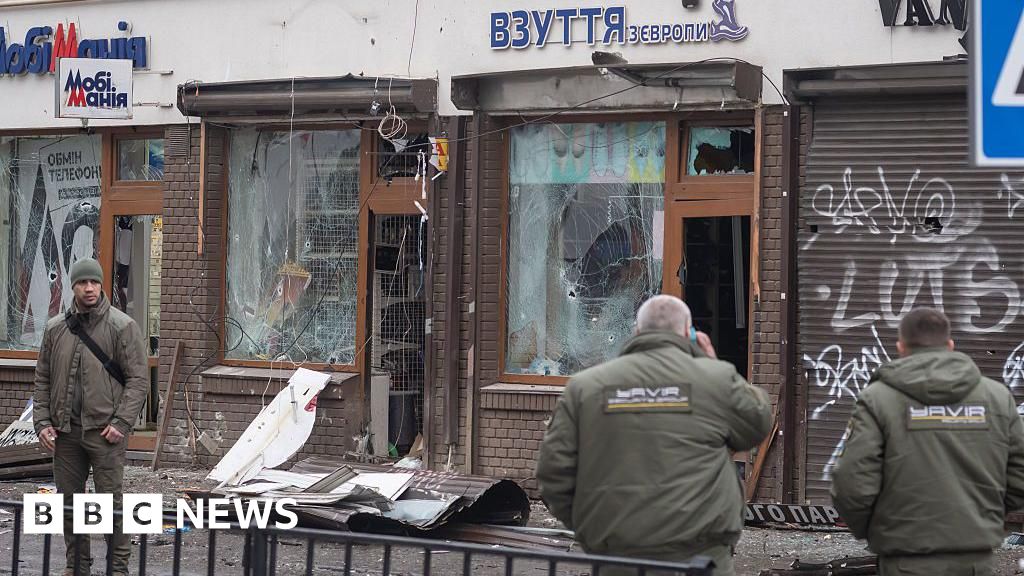
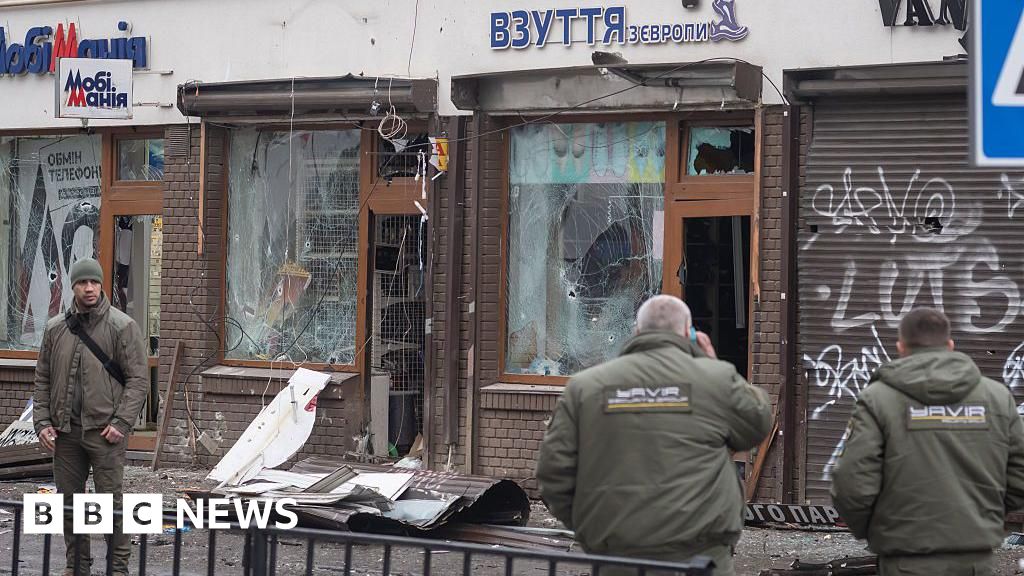
In a harrowing incident that has sent shockwaves through western Ukraine, a 23-year-old police officer, Viktoria Shpylka, has been killed and 25 others injured in a suspected terror attack in the historic city of Lviv. The tragedy unfolded shortly after midnight on Sunday when two homemade explosive devices detonated, targeting police crews who had responded to a reported break-in. The National Police of Ukraine confirmed that the devices were concealed within waste bins, a chilling tactic designed to inflict maximum harm on unsuspecting first responders.
Of the 25 individuals injured, 11 were admitted to hospital, with six law enforcement officers reportedly in serious condition. The young officer, Viktoria Shpylka, who had begun her service at the outset of Russia’s full-scale invasion in the Kherson region, was a casualty of this brutal attack. Her tragic loss was announced by the national police on Telegram, highlighting her youth and her dedication to duty in the face of ongoing conflict.
The incident began when a police car arrived at the scene of a reported break-in at a shop in the city center. It was at this moment that the first explosive device detonated. Subsequently, as a second police crew arrived to assess the situation, another explosion occurred, escalating the casualties. The nature of the attack has led Ukrainian officials to label it as an act of terrorism.
President Volodymyr Zelensky confirmed the swift detention of an individual suspected of carrying out the attack. Lviv Mayor Andriy Sadovyi identified the detained suspect as a Ukrainian woman. The Interior Minister, Ihor Klymenko, later stated that police and the Security Service of Ukraine had apprehended the suspect, identified as a 33-year-old resident of the north-western Rivne region. He also indicated that efforts were underway to identify any other individuals involved in orchestrating this crime. The regional prosecutor’s office has launched a formal investigation into the "act of terrorism that led to grave consequences."
The attack in Lviv occurred against a backdrop of intensified Russian strikes across Ukraine. The nation was bracing for the fourth anniversary of Moscow’s full-scale invasion, which falls on Tuesday. In a single night, Ukrainian air defenses reportedly intercepted approximately 50 Russian missiles and nearly 300 drones. President Zelensky stated that these attacks specifically targeted the energy sector, residential buildings, and railway infrastructure, underscoring the indiscriminate nature of the assaults. The human cost of these broader attacks was also evident, with at least one person killed in the Kyiv region, and a woman and child requiring hospitalization for injuries.
The use of improvised explosive devices (IEDs) in waste bins represents a particularly insidious form of attack, designed to exploit the arrival of emergency services. The choice of Lviv, a city that has become a relative sanctuary for many displaced by the war and a crucial hub for international aid, makes this incident particularly concerning. The city, known for its rich history and cultural significance, has largely been spared the direct devastation seen in other parts of the country, though it has experienced missile strikes previously.
The detailed accounts from the National Police of Ukraine provide a grim timeline of the events. The initial report of a break-in, a common occurrence that would typically warrant a standard police response, was seemingly a lure for a carefully planned ambush. The deliberate placement of explosives in public waste receptacles suggests a level of premeditation and a chilling disregard for civilian life, even as the primary targets were law enforcement officers.
The injured officers, some in serious condition, underscore the risks faced daily by those on the front lines of Ukraine’s defense, not just against a foreign aggressor, but also against internal threats. The speed of the suspect’s detention, however, offers a glimmer of hope that justice will be served. The ongoing investigation into identifying accomplices is crucial, as such acts of terror often involve networks and planning that extend beyond a single perpetrator.
The broader context of the intensified Russian strikes cannot be ignored. These attacks, occurring just days before a significant anniversary, may be intended to sow fear and disrupt Ukraine’s resilience. The targeting of critical infrastructure like the energy sector aims to cripple the nation’s ability to function and sustain its defense efforts, while attacks on residential areas highlight a disregard for civilian populations. The casualties in the Kyiv region serve as a stark reminder that the war’s brutal impact continues to be felt across the country, even in areas not on the immediate front lines.
Viktoria Shpylka’s story is a poignant illustration of the sacrifice made by many young Ukrainians who have taken up arms or joined the security forces since the full-scale invasion. Her service in the Kherson region, an area that endured brutal occupation and intense fighting, speaks to her courage and commitment. Her death at such a young age, at the hands of what is being investigated as a terror attack, is a profound loss for her family, her colleagues, and for Ukraine as a whole.
The designation of the incident as an "act of terrorism" by Ukrainian authorities carries significant weight. It suggests that the perpetrators may have motives beyond the immediate context of the break-in, potentially aiming to destabilize the region or spread fear. The investigation will likely delve into the suspect’s background, potential connections to extremist groups, or any state-sponsored elements that might be involved.

The resilience of Ukraine has been a defining characteristic of its defense against the ongoing aggression. However, incidents like the Lviv explosions serve as a stark reminder that the threats are multifaceted, encompassing not only direct military assault but also insidious acts of terror. The swift response from law enforcement and security services, leading to an arrest, is a testament to their dedication and effectiveness in a challenging environment.
As Ukraine approaches the grim milestone of four years of full-scale war, the events in Lviv and the widespread Russian strikes underscore the continued severity of the conflict. The loss of Officer Shpylka and the injuries sustained by others serve as a tragic testament to the ongoing human cost of this war. The nation’s resolve, however, remains steadfast, as it continues to defend itself against external aggression and internal threats, honoring the sacrifices of those like Viktoria Shpylka who gave their lives in service to their country. The investigation into the Lviv incident will be closely watched, as it seeks to bring those responsible for this act of terror to justice and prevent future atrocities. The city of Lviv, known for its enduring spirit, will undoubtedly mourn the loss of one of its brave defenders, while the nation continues its fight for survival and sovereignty.


 Ramos Leo
 Roy Suryo
 atisusanti
 Nakalama John