Ramos Leo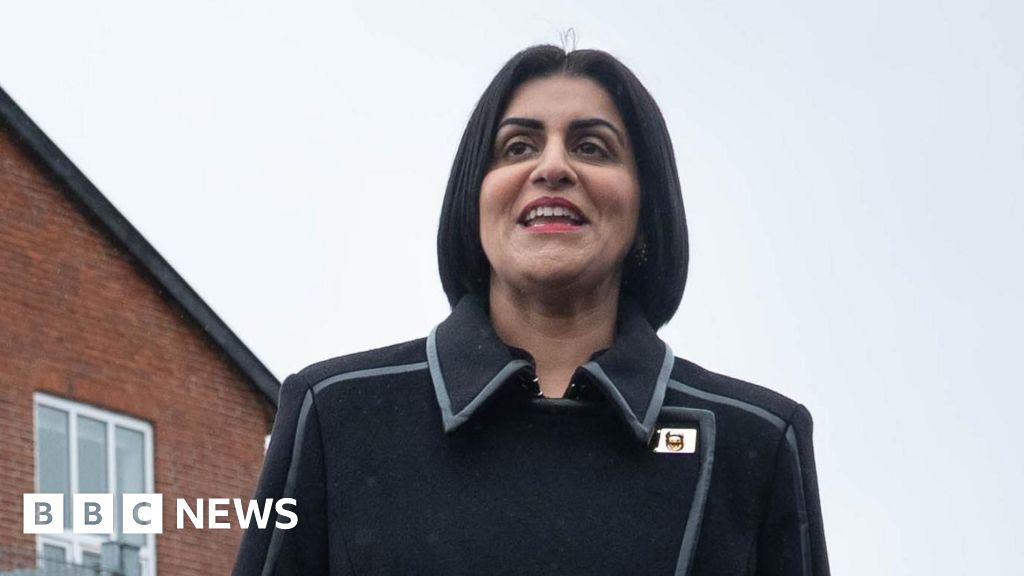
The Green Party of England and Wales has been a vocal critic of the Labour government’s evolving position on immigration. Its co-leader, Zack Polanski, recently lambasted the party for what he described as echoing "the racist rhetoric of the far right," a sharp accusation that highlights the ideological chasm between the two parties on this sensitive issue. The Greens advocate for a more compassionate approach, notably calling for asylum seekers to be granted the immediate right to work, a policy they argue would not only empower individuals but also contribute to the economy and reduce reliance on state support. This contrasts starkly with Mahmood’s proposed reforms, setting the stage for a continued political clash.
However, a source close to Home Secretary Mahmood has conveyed to the BBC that the government is cautious about drawing simplistic conclusions from the Gorton and Denton result. The source emphasised that it would be "wrong" to automatically attribute the desertion of Muslim voters solely to immigration policy, suggesting that a more nuanced understanding of local grievances and broader political disaffection is required. They cautioned against learning the "wrong lessons," implying that a retreat from robust immigration reforms could inadvertently play into the hands of more extreme political forces.
Indeed, within Labour circles, a significant argument is being made that any softening of the government’s stance risks empowering the "far right" to "raise up the drawbridge," thereby jeopardising the very future of a functional and fair asylum system, and potentially the Labour Party itself. Proponents of Mahmood’s approach argue that a failure to demonstrate credible control over borders and migration flows could lead to a surge in support for parties with more radical, anti-immigrant agendas, ultimately undermining public trust in mainstream politics. This perspective suggests that by taking a firm, albeit controversial, line, Labour is attempting to occupy the centre ground and prevent the issue from being monopolised by the fringes.
Shabana Mahmood herself has repeatedly articulated her conviction that uncontrolled illegal immigration places an "immense strain" on the country’s public services, infrastructure, and social cohesion. She argues that it erodes the fundamental "contract between the government and its citizens," implying that the state’s ability to govern effectively and provide for its people is compromised when its borders are perceived as porous and its immigration system as dysfunctional. This framing casts the reforms not merely as a matter of policy but as a foundational issue of national sovereignty and governmental competence.
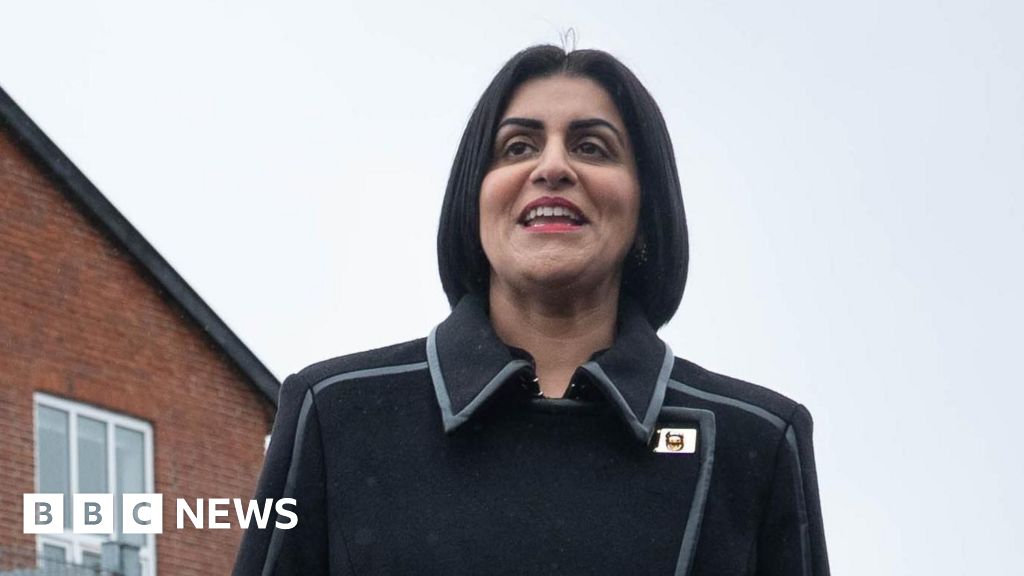
Just this week, Mahmood undertook a significant visit to reception and removal centres for asylum seekers near Copenhagen, the Danish capital. Her itinerary included a detailed examination of the Sjælsmark Returns Centre, a facility known for its strict regime and focus on the eventual repatriation of unsuccessful asylum applicants. The purpose of her visit was to glean firsthand insights into how Denmark’s notably tougher set of immigration policies operates in practice, observing their effectiveness and logistical implementation. The Danish model, characterised by its emphasis on deterrence and a less integration-focused approach for asylum seekers, has increasingly been cited as an inspiration for Labour’s proposals.
Danish government policies, particularly their robust approach to managing asylum applications and returns, heavily influenced Labour’s preliminary proposals for asylum reform outlined last autumn. Mahmood is now poised to begin implementing some of these key measures as early as next week, signalling a clear intent to translate observation into action. These forthcoming reforms represent a significant shift from previous policies and are designed to reshape the landscape of asylum claims in the UK.
Among the most impactful changes are proposals to extend the waiting period for most migrants before they can apply for permanent residence from the current five years to an unprecedented 10 years. For recognised refugees, this waiting period would be even longer, potentially stretching to 20 years. This move aims to disincentivise economic migration disguised as asylum claims and to ensure that only those with a long-term, verifiable commitment to the UK are granted permanent status. Furthermore, the reforms include offering only temporary protection to those whose asylum claims have been accepted, rather than immediate pathways to long-term settlement. This mirrors Denmark’s approach, where protection is often reviewed periodically, contingent on conditions in the country of origin. Lastly, the government intends to significantly reduce the number of appeals that unsuccessful applicants can lodge, a measure designed to expedite the processing of claims and minimise protracted legal battles that often delay removals.
Mahmood is expected to double down on her approach in a major speech scheduled for next week. This address is anticipated to be a pivotal moment, where she will articulate a "Labour case" for what she terms "firm and fair" Danish-style immigration policies. Her objective will be to convince a sceptical public, and indeed some within her own party, that these measures are not a departure from Labour values but rather a pragmatic and necessary response to contemporary challenges. She will likely argue that these policies, by reducing incentives for people to enter the UK illegally and ensuring a more orderly system, ultimately serve the interests of both genuine asylum seekers and the wider British public.
Unsurprisingly, these plans have drawn significant criticism from various quarters. Left-wing Labour MPs have been particularly vocal in their calls for a fundamental change of approach. Richard Burgon, a prominent figure in the Socialist Campaign Group, told the BBC that it was time to "ditch the approach of aping Reform and kicking the left which has alienated so many people who have voted Labour previously." This sentiment reflects a deeper concern among the party’s left flank that Mahmood’s policies risk abandoning Labour’s traditional humanitarian principles and alienating core voter bases, including younger voters and ethnic minority communities, who often hold more liberal views on immigration.

Imran Hussain, from the Refugee Council, a leading charity advocating for asylum seekers, expressed profound skepticism about the efficacy of proceeding with these new asylum and immigration rules. He contended that "the big lesson of recent years was that tough talking" has consistently failed to translate into "smart action." Instead of punitive measures, Hussain urged the government to focus on the "basics": swifter and more efficient asylum decisions, a streamlined and fair appeals process, and comprehensive support for refugees to integrate successfully into British society. He argued that administrative efficiency and compassionate integration, rather than deterrence, are the true keys to a functional system.
Adding to the chorus of criticism, but from a different ideological vantage point, Reform UK’s home affairs spokesman, Zia Yusuf, dismissed Mahmood’s efforts as "all talk and no action." Yusuf asserted that the government’s hands were tied and it could not genuinely fix the immigration system while it remained "chained" to the European Convention on Human Rights (ECHR). He reiterated Reform UK’s radical proposals, stating that a Reform government would immediately withdraw from the ECHR, "completely abolish indefinite leave to remain," impose visa bans on countries refusing to accept returns of their nationals, and "criminalise aiding illegal entry, regardless of intent." This illustrates the immense pressure Mahmood faces from the right, with Reform UK pushing for an even more hardline stance.
The debate over Mahmood’s proposed reforms therefore encapsulates a wider national conversation about Britain’s identity, its place in the world, and its capacity to manage global challenges like migration. As Mahmood prepares to unveil her detailed plans, the political tightrope she walks becomes increasingly precarious. She must navigate internal party dissent, strident criticism from opposition parties and charities, and the ever-present threat of public dissatisfaction with a system perceived by many as broken. Her success, or failure, in implementing these Danish-inspired reforms will undoubtedly shape the future of immigration policy in the UK and cast a long shadow over the Labour government’s broader agenda.


 atisusanti
 Nakalama John
 George Anjay