Roy Suryo
A devastating inquest has concluded that medical neglect played a significant role in the tragic death of Sue Howell, a 73-year-old mother-of-four from Bilston. Mrs. Howell succumbed to a pulmonary embolism, a life-threatening blood clot in the pulmonary artery, after being discharged from New Cross Hospital in Wolverhampton without critical test results being actioned. The Black Country assistant coroner, Helena Gallagher, delivered a narrative conclusion, starkly highlighting the failures in the medical treatment Mrs. Howell received.
The inquest revealed a series of critical oversights within the hospital’s care pathway. Crucially, test results that would have alerted medical staff to the presence of a potential blood clot were available for several hours prior to Mrs. Howell’s initial discharge. However, a doctor giving evidence stated they were unaware of the D-Dimer test having been requested, and its result was notably absent from the patient’s notes. This lack of awareness and subsequent inaction meant that a potentially life-saving diagnosis was missed, leading to a fatal outcome.
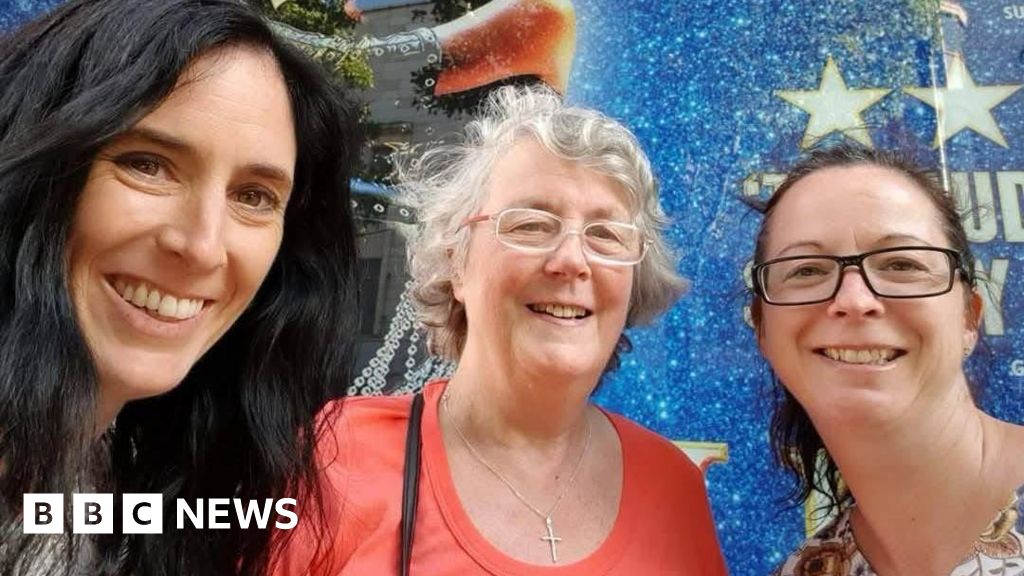
Mrs. Howell’s daughters, Vic Smith and Liz Howell, have expressed profound grief and anger at the findings. Vic Smith, visibly distressed, stated her absolute fury, emphasizing, "The results were there on a computer system, they were there." This underscores the frustration of a family who placed their trust in the healthcare system, only to feel let down in the most profound way. Liz Howell echoed these sentiments, articulating the family’s deep sense of betrayal. "We’re not professionals, medics – we entrusted mum to them and they just let us down, massively," she said, her voice heavy with emotion. "They’ll never understand what they’ve done to us. Never and it’s something that we relive daily. There’s not a day goes by when some aspect of that weekend doesn’t come to my mind."
The timeline of events leading to Mrs. Howell’s death paints a grim picture of systemic failures. On April 11, 2025, Mrs. Howell was admitted to New Cross Hospital after a fall at home resulted in broken arms. Despite the circumstances, she was discharged later that same evening. Tragically, the following morning, she collapsed at home and was admitted to the hospital once more. It was during this second admission that the fatal pulmonary embolism was diagnosed, but by then, it was too late. The inquest focused on the period between her initial fall and her subsequent collapse, specifically examining the decision-making process during her first discharge.
The D-Dimer test, a common diagnostic tool used to help rule out the presence of blood clots, was reportedly requested but its results were not effectively communicated or acted upon by the medical team responsible for Mrs. Howell’s care. This oversight represents a fundamental breach of expected medical protocol, particularly when dealing with a patient who had experienced immobility due to injury, a known risk factor for developing blood clots. The absence of this crucial information from her medical records further compounds the concerns raised about the standard of care provided.

The Royal Wolverhampton NHS Trust, which operates New Cross Hospital, has issued an apology for the failings in Mrs. Howell’s care. A spokesperson for the Trust stated, "We would like to express our heartfelt condolences to Mrs Howell’s family for their loss and apologies for not providing the standard of care we strive for." The Trust confirmed that a "thorough investigation" was conducted following Mrs. Howell’s death and that "several actions" have been implemented since the incident. They also indicated a commitment to "learn, improve our services and support the needs of our patients and their families." While these statements offer a degree of accountability, they do little to assuage the deep pain and loss experienced by Mrs. Howell’s family.
Sue Howell was a beloved mother of four and a devoted grandmother to eleven grandchildren. Her family remembers her as "an angel" and the "beating heart" of their family, a testament to her vibrant presence and the profound impact she had on those around her. Her husband, Bernard Howell, also mourns the loss of his wife. The narrative conclusion of the inquest, explicitly stating that medical neglect contributed to her death, provides a formal acknowledgment of the failures that led to this preventable tragedy.
The family’s legal representation will likely explore further avenues for recourse, seeking to ensure that such a catastrophic breakdown in patient care is never repeated. The inquest’s findings serve as a stark reminder of the vital importance of diligent record-keeping, effective communication among healthcare professionals, and timely action on diagnostic test results. For the Howell family, the inquest’s conclusion, while bringing some measure of closure, cannot erase the profound void left by the loss of their mother and grandmother due to what they and the coroner have deemed to be medical neglect. The hope now rests on the Trust’s commitment to meaningful change, ensuring that the lessons learned from Sue Howell’s tragic death translate into tangible improvements in patient safety and care standards. The devastating consequences of missed opportunities and overlooked information have been laid bare, emphasizing the critical need for vigilance and adherence to best practices in all aspects of healthcare.




 George Anjay
 Ramos Leo
 Nakalama John

 atisusanti