
 atisusanti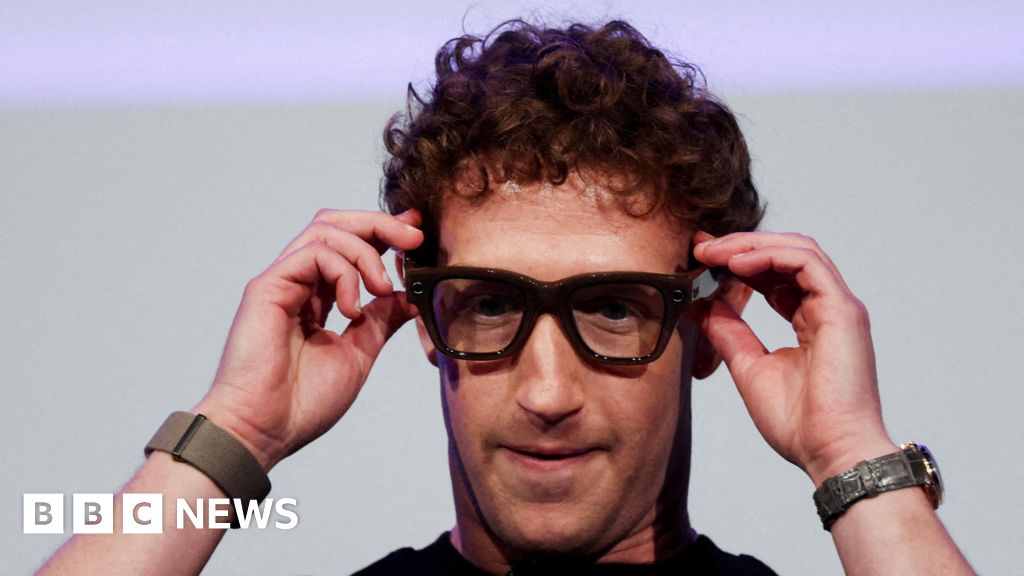
Meta, the parent company of Facebook, is poised to nearly double its investment in artificial intelligence (AI) this year, signaling a profound commitment to the burgeoning technology despite widespread industry concerns about a potential AI bubble. The tech giant announced its ambitious spending plans during a call with financial analysts on Wednesday, detailing its 2025 financial results. Meta anticipates allocating up to $135 billion (approximately £97 billion) in the coming year, with the vast majority earmarked for AI-related infrastructure. This figure represents a significant escalation from the $72 billion Meta invested in AI projects and infrastructure in the previous year. Over the past three years, the social media behemoth has already poured an estimated $140 billion into its AI endeavors, a substantial sum reflecting its aggressive strategy to lead the AI revolution.
Mark Zuckerberg, Meta’s CEO, articulated his vision for AI’s transformative impact, stating that he expects "2026 to be the year that AI dramatically changes the way we work." His pronouncements come at a time when Meta’s financial reports indicate that expenses have outpaced revenue growth in the final quarter of 2025, consequently impacting profit margins. In response to this strategic pivot and the company’s financial outlook, Meta’s shares saw a notable increase of approximately 6.5% in extended trading on the New York Stock Exchange following the announcement.
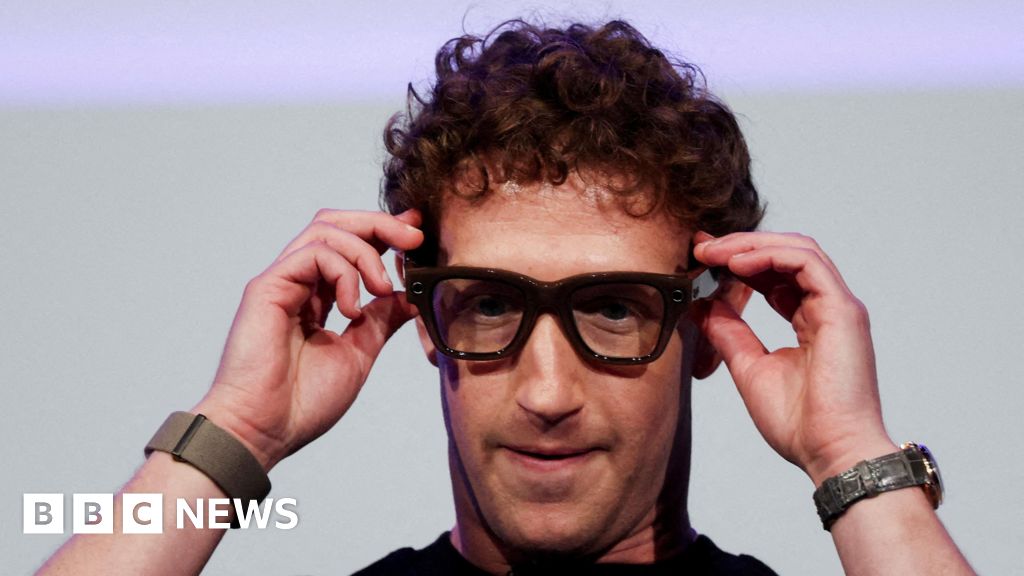
Beyond highlighting the potential benefits of this massive AI investment, Zuckerberg’s remarks also subtly hinted at the possibility of further workforce reductions within the tech giant. He observed, "We’re starting to see projects that used to take big teams now be accomplished by a single, very talented person." This observation aligns with Meta’s recent actions, which have included the layoff of several hundred employees earlier this year, primarily within its Reality Labs division. This division is central to Meta’s ambitious "metaverse" initiatives, its hardware development, and its AI research and development efforts.
Zuckerberg further elaborated on Meta’s strategy, explaining that the company is intensifying its investment in AI tools across all departments. These tools are designed to empower employees, particularly software engineers, to enhance their productivity and efficiency. He emphasized the growing disparity in output, noting, "As workers use the tools to become ‘significantly more productive,’ he said there is ‘a big delta between the people who do it and do it well and the people who don’t.’" The implications for workforce dynamics are significant, with Zuckerberg suggesting that the integration of AI agents into workflows will profoundly alter organizational structures. "What we were talking about is, I think it’s very hard for anyone exactly to predict what the shape of how organisations working is going to feel, but I just think the fact that agents are really starting to work now is quite profound," he added.
While Meta charts an aggressive course, a growing chorus of voices within the technology and financial sectors are raising concerns about the sustainability of such large-scale AI investments. Many warn of the potential for an AI bubble, drawing parallels to the dot-com boom and bust that culminated in 2000. Chuck Robbins, the chairman and chief executive of Cisco Systems, has voiced his apprehension, telling the BBC that while AI’s ultimate impact could dwarf that of the internet, the current market sentiment appears to be driven by an overabundance of optimism. He cautioned that not all companies participating in this AI surge will survive, stating, "the current market is probably a bubble and some companies ‘won’t make it’."
Similar sentiments have been echoed by prominent figures in the financial world. Jamie Dimon, the CEO of JPMorgan Chase, has also expressed concerns regarding the rapid pace of AI development and investment. Sundar Pichai, the CEO of Google, acknowledged a degree of "irrationality" within the current AI boom. Sam Altman, the influential CEO of OpenAI, the company credited with igniting the current AI fervor, was more direct in his assessment last year, stating, "Are we in a phase where investors as a whole are overexcited about AI? My opinion is yes." This divergence in perspective between aggressive investors like Meta and cautious industry leaders underscores the complex and evolving landscape of artificial intelligence. Meta’s substantial commitment to AI signals its conviction that the technology will redefine industries and consumer experiences, even as the broader market grapples with the potential for an unsustainable surge.



 Nakalama John
 George Anjay
 Ramos Leo