Nana Banana
The results of the auction have been met with widespread acclaim from environmental advocacy groups and clean energy proponents. They underscore solar power’s increasing cost-effectiveness and its crucial role in decarbonizing the UK’s electricity grid, particularly during the summer months when sunlight is abundant and demand for cooling can peak. Solar is increasingly seen as a relatively cheap and rapidly deployable technology that can reduce the nation’s reliance on volatile fossil fuel markets, shielding consumers from price fluctuations driven by geopolitical events.
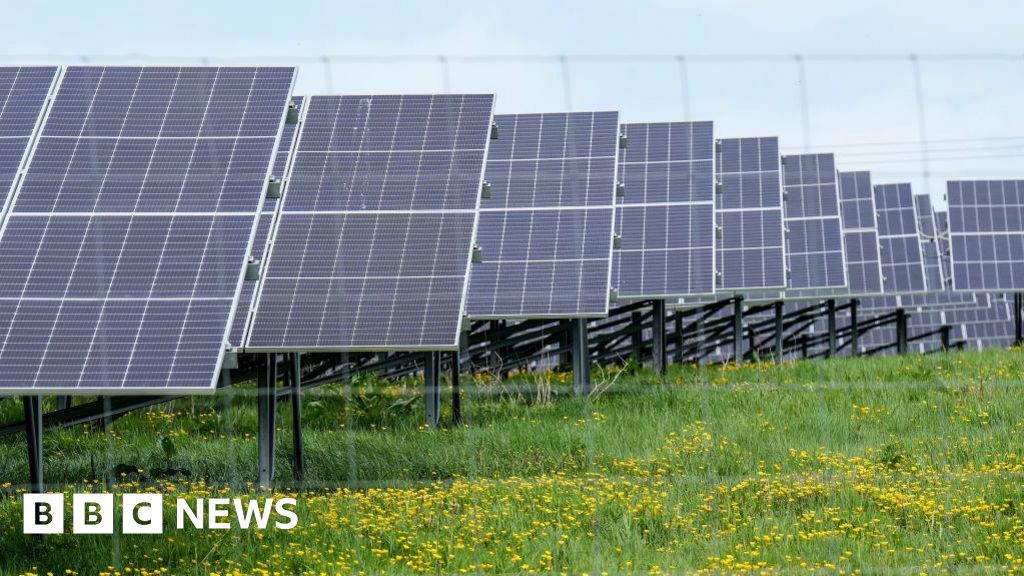
However, the enthusiasm is tempered by the predictable backlash from local communities who often view such extensive developments as an unwelcome encroachment on their immediate surroundings. The West Burton solar farm, slated for the Lincolnshire and Northamptonshire border, emerged as the largest single project to secure a government contract in this round. While a victory for clean energy, it has already ignited fierce opposition, with local residents expressing concerns about the "mass industrialisation" of what they cherish as pristine countryside. These communities often cite worries about habitat disruption, the loss of agricultural land, and the sheer scale of panels altering traditional vistas. It is important to note, however, that all of these contracted solar projects had already navigated and successfully obtained local planning permission, meaning the most contentious battles over their existence have largely been fought and won at a local authority level. This auction secures the financial backing for their construction and operation.
Beyond solar, the latest CfD round also allocated contracts to other vital renewable energy sources. Onshore wind projects, predominantly situated in Scotland where wind resources are plentiful and social acceptance is generally higher, secured a notable share. Additionally, a small but significant number of tidal power developments were awarded contracts, signaling continued governmental support for nascent but promising marine energy technologies. Tidal power, with its predictable generation patterns, offers a unique advantage in complementing intermittent sources like solar and wind, contributing to grid stability.
Energy Secretary Ed Miliband lauded the auction results, stating, "By backing solar and onshore wind at scale, we’re driving bills down for good and protecting families, businesses, and our country from the fossil fuel rollercoaster controlled by petrostates and dictators." His comments highlight the government’s dual objectives: accelerating the transition to a low-carbon economy and enhancing national energy security by reducing dependence on imported fossil fuels. This strategy aims to stabilize energy costs in the long term, offering a buffer against global energy market volatility.
The government’s overarching ambition is to ensure that by 2030, at least 95% of Great Britain’s electricity is derived from "clean" sources. This comprehensive target includes a mix of renewables, such as solar and wind, alongside nuclear energy. This aggressive decarbonization pathway is critical for the UK to meet its legally binding climate change commitments. The Conservative party, however, has previously voiced criticism regarding the government’s clean power targets, arguing that such rapid transitions could inadvertently lead to an increase in energy bills for consumers due to the significant infrastructure investment required. They often point to the balancing acts between green ambition, grid stability, and consumer affordability.
While solar power offers substantial benefits, particularly during the warmer, brighter months, its inherent intermittency means it cannot be relied upon throughout the entire year. Short, dull winter days, for instance, significantly reduce its output. However, solar perfectly complements wind power, which tends to be more productive during the colder, windier seasons, thus creating a more balanced renewable energy portfolio. This synergy helps to smooth out the overall supply of clean electricity.
Last year, solar energy contributed more than 6% of Great Britain’s total electricity supply, a figure that soared to over 40% during peak half-hour periods in July, demonstrating its capacity for significant short-term contributions. To achieve its 2030 clean power goal, the government has set an ambitious target of at least 45 gigawatts (GW) of solar power capacity. This represents a substantial increase from the approximately 21GW recorded in autumn 2025. The latest auction round, securing an additional 4.9GW of capacity across 157 projects, marks a substantial step towards this target. This haul surpasses the 3.3GW secured across 93 projects in the previous 2024 auction, indicating a robust acceleration in solar deployment.
Recognizing the limitations of intermittent renewables, the government also emphasizes the critical need for increased investment in batteries and other energy storage systems. These technologies are vital for capturing excess solar energy generated during peak sunshine hours and releasing it back into the grid when generation drops, ensuring a consistent and reliable power supply, even outside of sunny periods. Advanced grid management systems and smart technologies will also play a pivotal role in optimizing the integration of these new capacities.
The broad welcome from clean energy groups underscores the multifaceted benefits of this auction. Industry leaders highlight the stimulus to investment, job creation within the green sector, enhanced energy independence, and the tangible progress towards national and international climate targets. However, despite this positive momentum, many energy analysts and independent watchdogs retain serious doubts about whether the government will realistically meet its ambitious 2030 clean power target. Concerns often revolve around potential bottlenecks in grid infrastructure development, the complexity and speed of the planning permission process for new transmission lines and substations, the pace of private sector investment, and the need for consistent, long-term policy signals to de-risk projects and attract sufficient capital. Achieving 95% clean electricity by 2030 will require not just continued auctions, but a comprehensive, integrated strategy addressing every facet of the energy ecosystem.




 George Anjay

 Ramos Leo
 Nakalama John