George Anjay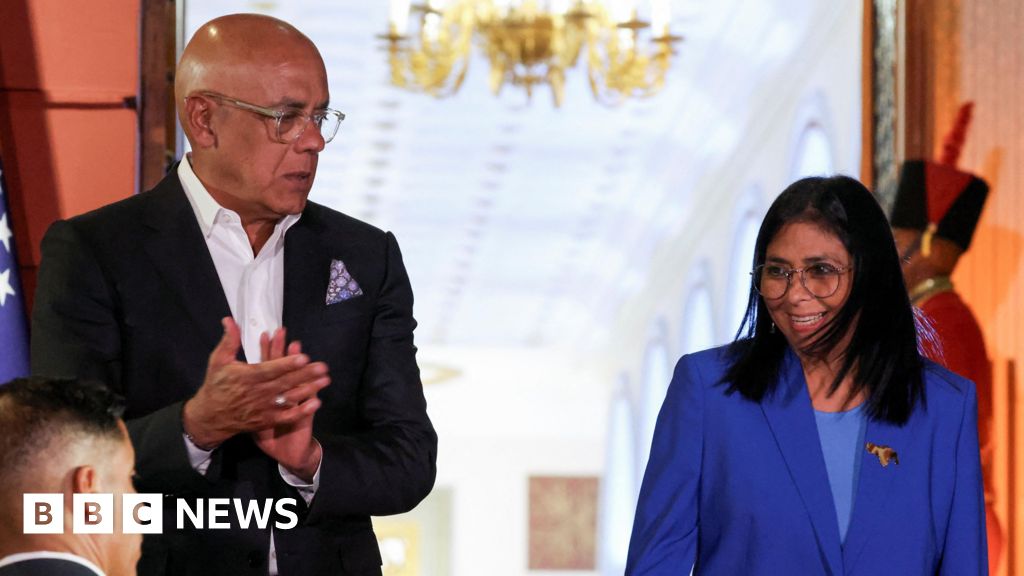
In a significant development for Venezuela’s deeply polarized political landscape, over 1,500 individuals identified as political prisoners have submitted applications for amnesty under a new legal framework that officially came into effect on Thursday. The announcement was made by Jorge Rodríguez, the President of Venezuela’s National Assembly and a key ally of former President Nicolás Maduro. Rodríguez, who is also the brother of interim President Delcy Rodríguez, stated that the amnesty process is moving forward swiftly, with "hundreds" of prisoners already having been released. This wave of potential releases follows a period of heightened international scrutiny and domestic pressure on the Venezuelan government regarding its treatment of political detainees.
Among those seeking release under the new law is prominent opposition figure Juan Pablo Guanipa. Guanipa, alongside other dissenting voices, has expressed reservations about the amnesty legislation, particularly its perceived limitations that could exclude certain categories of prisoners from its benefits. The United States, which has been actively engaged in diplomatic efforts concerning Venezuela, has consistently urged for the expedited release of all political prisoners. This call has intensified since the US forces apprehended Nicolás Maduro in a raid on January 3rd. The Venezuelan socialist government, however, has consistently refuted claims of holding political prisoners, framing such detentions as matters of national security and legal proceedings.
During a press conference held on Saturday, Jorge Rodríguez elaborated on the scale of the amnesty initiative, revealing that 1,557 release requests were being processed with immediate effect. He projected that the legislation, once fully implemented, could ultimately extend to approximately 11,000 individuals currently incarcerated. The government had initially signaled its intention to free a "significant number" of prisoners as a gesture of goodwill just days after Maduro’s capture on January 8th. This move was presented as a step towards de-escalation and reconciliation.
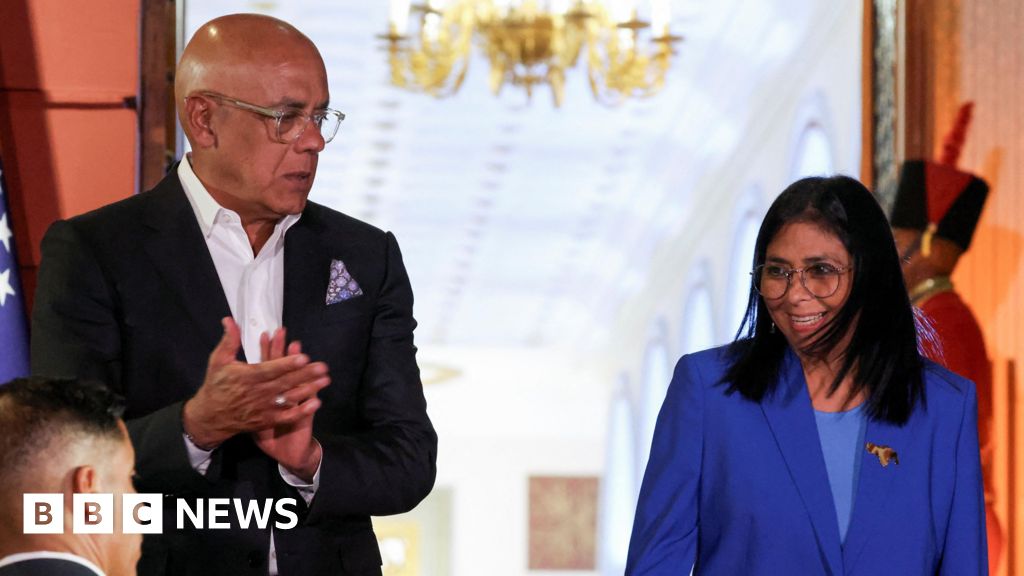
For years, opposition groups and human rights organizations have leveled serious accusations against the Maduro administration, alleging the systematic use of detentions to suppress dissent and silence critics. These organizations have also voiced significant criticisms of the newly enacted amnesty law. A frequently cited concern, according to BBC Latin America specialist Luis Fajardo, is the clause that appears to exclude individuals who have advocated for foreign armed intervention in Venezuela. Fajardo highlighted the opinion of law professor Juan Carlos Apitz of the Central University of Venezuela, who told CNN Español that this particular provision of the amnesty law "has a name and a surname," suggesting it is specifically tailored to target individuals like María Corina Machado.
The extent to which the amnesty would indeed cover Machado, a prominent opposition leader and recipient of last year’s Nobel Peace Prize, remains unclear, Fajardo noted. Further complicating the landscape of the amnesty law are other contentious aspects, including the apparent exclusion of numerous military officers who have been implicated in past rebellions against the Maduro administration. These exclusions raise questions about the genuine inclusiveness of the amnesty and its potential to address the full spectrum of grievances.
On Saturday, Jorge Rodríguez confirmed that priority was being given to releases from "Zona Siete of El Helicoide," a notorious detention center in Caracas. He assured that prisoners held at this facility would be released "over the next few hours." The El Helicoide prison has been a focal point of human rights concerns, with activists reporting that some family members of those detained there have resorted to hunger strikes to demand the release of their relatives. The conditions and allegations of mistreatment at El Helicoide have been a persistent source of international condemnation.
Meanwhile, Nicolás Maduro himself is currently awaiting trial in the United States, alongside his wife Cilia Flores. Both have pleaded not guilty to drug and weapons charges. Maduro has publicly asserted his status as a "prisoner of war," a characterization that underscores the deeply adversarial nature of his current legal predicament and its broader implications for Venezuelan politics. The amnesty initiative, therefore, is unfolding against a backdrop of complex international relations, ongoing legal battles, and persistent human rights concerns. The success and true impact of this amnesty law will likely be measured not only by the number of individuals released but also by its ability to foster genuine reconciliation and address the underlying causes of political persecution in Venezuela. The coming days and weeks will be crucial in determining the long-term consequences of this significant legal and political maneuver.


 Ramos Leo
 Roy Suryo
 atisusanti
 Nakalama John