George Anjay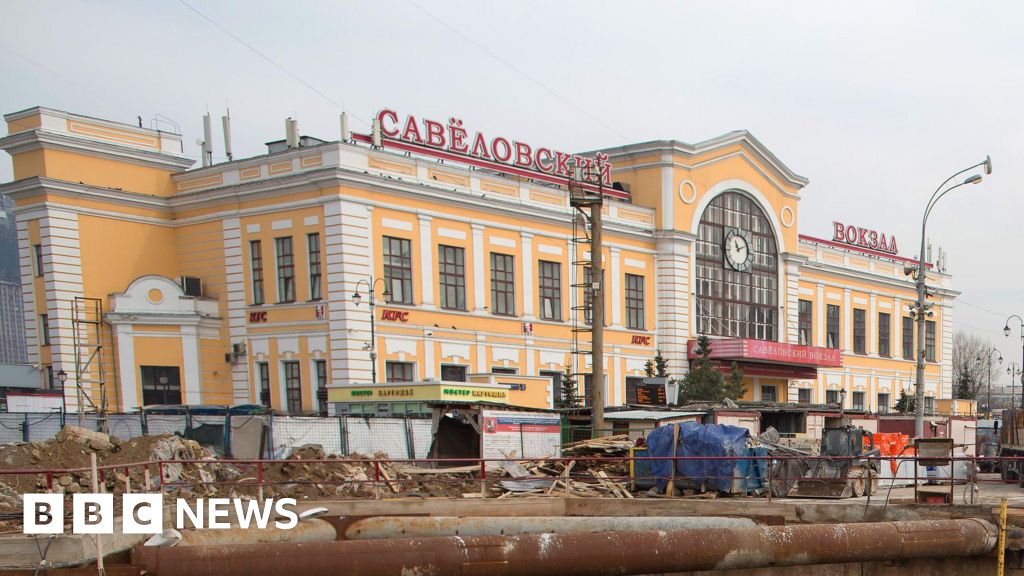
A devastating suicide bombing outside Savyolovsky Station in Moscow, a crucial transport hub in the Russian capital, has claimed the life of a traffic police officer and left two others in serious condition, Russian officials have confirmed. The blast, which occurred in the early hours of Tuesday just after midnight local time, has sent shockwaves through the city and prompted an immediate investigation into the perpetrator and potential accomplices. The Russian Investigative Committee has identified the suspect as a 22-year-old man hailing from the Udmurt republic, a region in western Russia known for its diverse ethnic and cultural landscape. Preliminary findings suggest the man traveled from St. Petersburg to Moscow by train on Sunday, meticulously planning his deadly assault.
The tragic incident unfolded as officers were conducting their routine patrol in Savyolovsky Station Square, an area usually bustling with commuters and travelers. According to a statement from Russia’s Interior Ministry, an "unidentified device was detonated" as the suspect approached the officers. The force of the explosion was immense, instantly killing 34-year-old Police Lieutenant Denis Bratuschenko, a senior inspector in the traffic police, and inflicting severe injuries on his colleagues. Lieutenant Bratuschenko, who had served on the force since 2019, leaves behind a grieving wife and two young children, a profound loss highlighted in a poignant statement of condolence from Irina Volk, the ministry’s spokeswoman.
While authorities have not yet established a definitive motive for the attack, Russian President Vladimir Putin has suggested that the suspect was "apparently recruited online." Speaking at a meeting of Russia’s domestic spy agency, Putin alluded to an increasing trend of terror attacks, which he largely attributed to Ukrainian intelligence. This assertion, however, is met with some skepticism, as attacks attributed to Ukraine within Russia have historically not involved the use of suicide bombings. The modus operandi of this particular attack, if confirmed as a suicide bombing, marks a potentially significant escalation in tactics.
The Russian Investigative Committee spokeswoman, Svetlana Petrenko, elaborated on the investigation’s progress, stating that the attacker, identified as a Russian native, was being thoroughly examined for any potential accomplices. The committee is meticulously piecing together the timeline of events, including the suspect’s movements and any communications that might shed light on his radicalization and planning. The nature of the explosive device and its detonation mechanism are also under intense scrutiny. While President Putin claimed the suspect was "blown up remotely," further details from the Investigative Committee suggest the perpetrator himself was the bomber. The criminal case opened against the perpetrator includes charges related to the attempt on the life of a law enforcement officer and offenses concerning the explosive device.
The two injured officers were rushed to hospital where medical sources described their condition as serious. The extent of their injuries has not been fully disclosed, but the severity underscores the brutal nature of the blast. Law enforcement agencies are working in close coordination, employing a multi-faceted approach to "establish all the circumstances" surrounding the attack. This includes a comprehensive review of CCTV footage from the station and its surroundings, interviews with potential witnesses, and forensic analysis of the blast site. The goal is not only to bring those responsible to justice but also to prevent future atrocities.
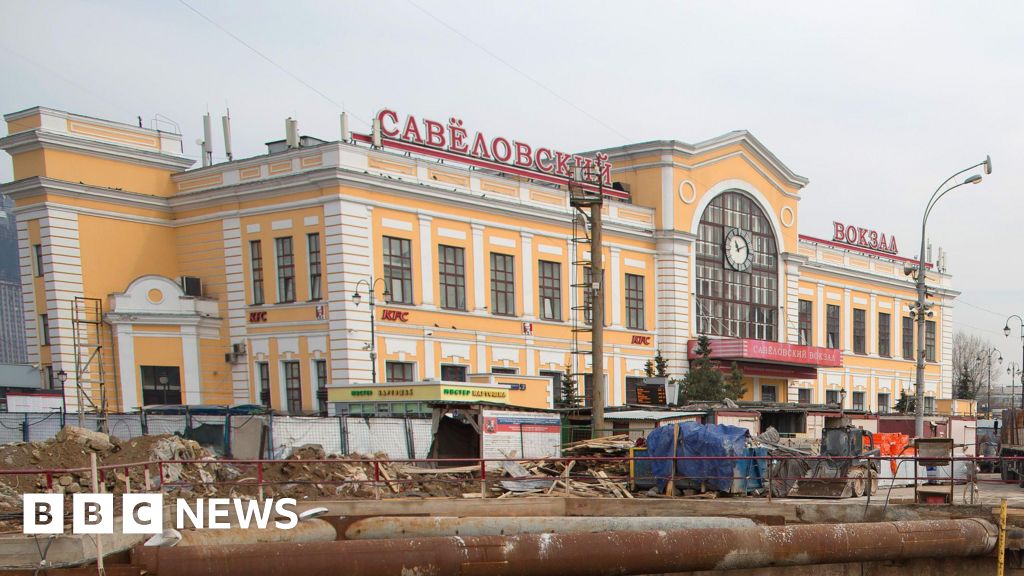
Savyolovsky Station, a major railway hub connecting Moscow with several northern cities and serving as a gateway to the city’s northern districts, is a critical piece of infrastructure. Its proximity to residential areas and its constant flow of people make it a potential target for acts of terror. The fact that the attack occurred in the early hours of Tuesday, a time when activity is reduced but not entirely absent, suggests a calculated choice to maximize psychological impact and potential casualties, or perhaps to avoid immediate detection. The specific location within Savyolovsky Station Square, described as the north-eastern district, might also hold significance, potentially relating to escape routes or proximity to specific targets.
The mention of the suspect traveling from St. Petersburg, Russia’s second-largest city, raises questions about the reach and organization of any extremist groups involved. St. Petersburg, a city rich in cultural heritage and a major tourist destination, has also been the site of past terrorist incidents. The journey by train, a common mode of transport for many Russians, suggests a degree of normalcy in the suspect’s actions leading up to the attack, perhaps an attempt to blend in and avoid suspicion. The investigation will likely delve into the suspect’s background, his connections in both St. Petersburg and Moscow, and any online activities that might have led to his recruitment and radicalization.
The Interior Ministry’s statement detailing the officer killed, Lieutenant Denis Bratuschenko, provides a personal dimension to the tragedy. His service record, his role as a senior inspector in traffic police, and his family responsibilities paint a picture of a dedicated public servant whose life was cut short while performing his duty. The outpouring of condolences from the Ministry underscores the profound impact of such attacks on law enforcement agencies and the broader society. The statement from spokeswoman Irina Volk highlights the "sincere condolences to the family," a somber acknowledgment of the ultimate sacrifice made by Lieutenant Bratuschenko.
The article notes that this is "not the first time traffic police have been killed in an explosion in the Russian capital." This historical context is crucial, suggesting a persistent threat faced by law enforcement officers in Moscow and potentially indicating a pattern of targeting security personnel. The details of previous incidents, if elaborated upon, could provide valuable insights into the evolving tactics and motivations of those who seek to sow terror. Understanding this historical backdrop is essential for assessing the current threat landscape and the effectiveness of counter-terrorism measures.
The implications of a suicide bombing in Moscow, particularly if linked to foreign actors as suggested by President Putin, are significant for Russia’s geopolitical standing and its ongoing domestic security challenges. The Udmurt republic, while not typically associated with large-scale extremist movements, is a diverse region, and the investigation will undoubtedly explore any potential radicalization pathways within its communities. The claim of online recruitment further emphasizes the growing role of the internet and social media in facilitating extremist ideologies and recruitment.
As the investigation continues, the focus will remain on identifying any accomplices, understanding the full extent of the plot, and reinforcing security measures across Moscow’s vital transport infrastructure. The incident serves as a stark reminder of the persistent threat of terrorism and the sacrifices made by those on the front lines of security. The loss of Lieutenant Bratuschenko and the injuries sustained by his colleagues are a tragic testament to the dangers faced by law enforcement officers and the ongoing battle against those who seek to undermine peace and stability. The coming days and weeks will likely see further details emerge as Russian authorities work to unravel the complexities of this deeply disturbing event.


 Nakalama John
 Roy Suryo
 Nana Banana
 atisusanti