Nana Banana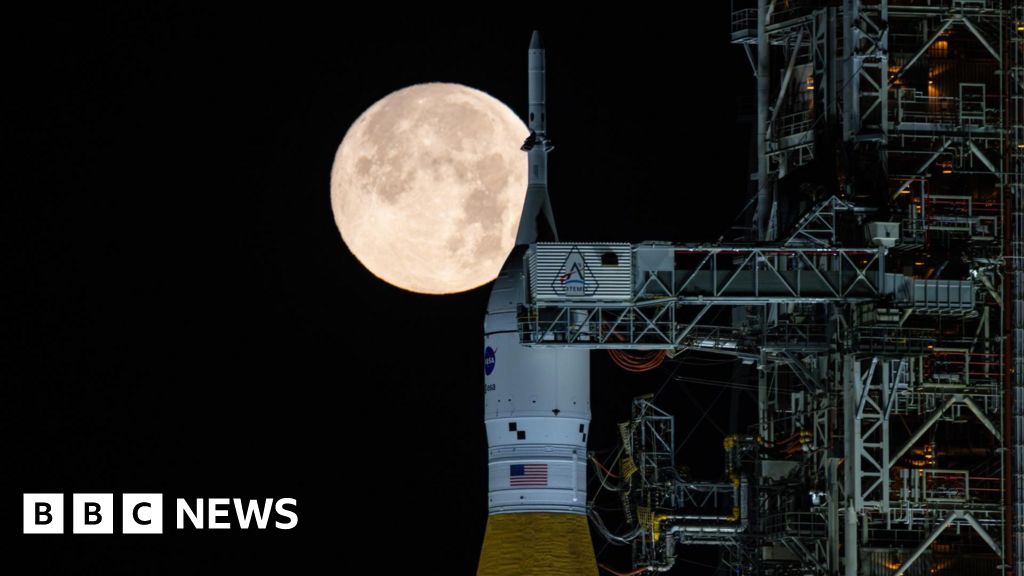
The original roadmap for Artemis envisioned a three-step progression after the successful uncrewed Artemis I mission, which orbited the Moon in late 2022. The next major milestone, Artemis II, was planned as a crewed flyby of the Moon, tentatively scheduled for April of the current year. Following this, Artemis III was slated to make history by landing astronauts near the lunar South Pole in 2028. However, this direct path is now being modified to incorporate an essential preparatory step.
Under the revised plan, the mission previously designated as Artemis III will now be repositioned as an intermediary, crewed flight to low-Earth orbit (LEO) in 2027. This newly defined Artemis III mission will focus on critical in-space operations, primarily practicing the intricate docking procedures with a lunar lander. This strategic maneuver is designed to thoroughly test the integrated systems of the Orion spacecraft and the Human Landing System (HLS) in a less demanding environment before attempting the high-stakes journey to the Moon’s surface.
Remarkably, NASA Administrator Jared Isaacman clarified during a recent media briefing that this additional flight is not expected to delay the overall return of humans to the Moon. Instead, the agency is now targeting 2028 for not just one, but potentially two crewed lunar landings, which would be designated Artemis IV and Artemis V respectively. Isaacman emphasized that the impetus behind this adjustment was to address perceived gaps in the program’s original architecture, particularly the long intervals between crewed missions.
Isaacman articulated a clear rationale for the program’s strategic pivot, stating that the previous architecture was "not a pathway to success." He highlighted the inherent risks of moving directly from an uncrewed test flight (Artemis I), to a three-year wait for a crewed lunar flyby (Artemis II), and then another three-year gap before attempting a lunar landing (original Artemis III). Such protracted periods between critical missions could lead to a degradation of skills, loss of institutional knowledge, and a reduced capacity for iterative learning and refinement. The added LEO mission is intended to create a more continuous and integrated flight test campaign, maintaining momentum and readiness within the program.
The benefits of the new Artemis III mission are manifold. By sending the Orion capsule, which will carry the astronauts, to low-Earth orbit alongside a lunar lander, NASA can conduct crucial tests of the integrated systems in a controlled environment. This includes practicing the complex orbital rendezvous and docking maneuvers that will be essential for transferring crew and cargo to the lander in lunar orbit. "I would certainly much rather have the astronauts testing out the integrated systems of the lander and Orion in low-Earth orbit than on the Moon," Isaacman explained, underscoring the significant risk reduction achieved by this approach. Furthermore, this mission presents a valuable opportunity to test new spacesuits or other critical equipment in space before they are deployed in the extreme conditions of the lunar surface.
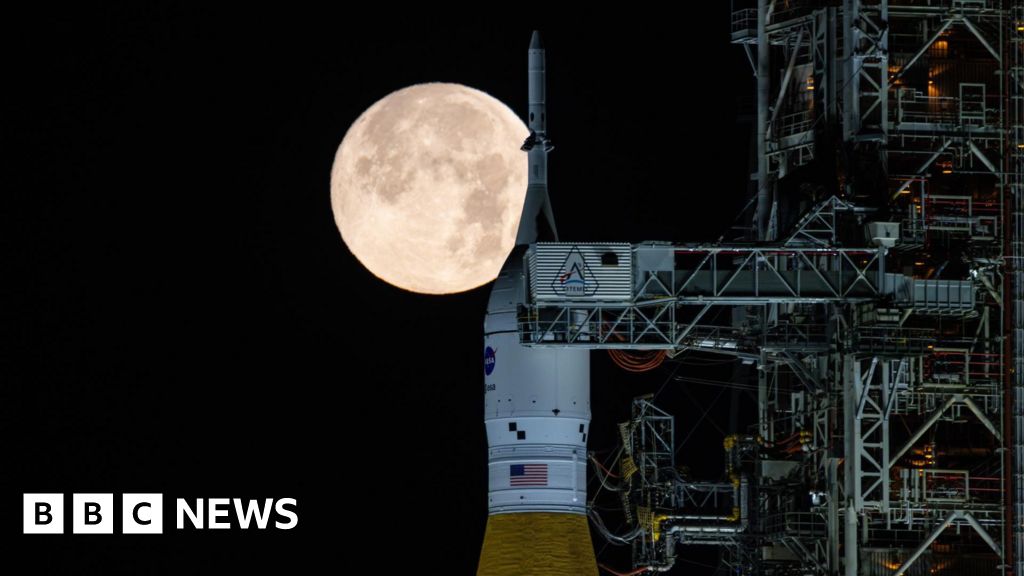
Alongside these strategic changes, NASA also provided an update on the imminent Artemis II mission. This mission, which will see four astronauts – Victor Glover, Jeremy Hansen, Reid Wiseman, and Christina Koch – embark on a journey around the far side of the Moon and back to Earth, has encountered a minor setback. Originally targeting a March launch window, the mission’s timeline was pushed back due to the discovery of a helium leak on the Space Launch System (SLS) rocket. The colossal rocket has since been transported from its launchpad at the Kennedy Space Center in Florida to the iconic Vehicle Assembly Building (VAB) for repairs. While April remains the earliest possible launch opportunity, the precise date will hinge on the duration and complexity of the necessary technical work. NASA officials expressed confidence in resolving the issue, but acknowledged the "disappointing" nature of any delay.
A significant, and acknowledged, challenge facing NASA’s lunar ambitions is the development and readiness of the Human Landing System (HLS). The lander responsible for transporting astronauts to and from the Moon’s surface remains a critical piece of the puzzle, and its development has been fraught with complexities and delays. Elon Musk’s SpaceX company holds the primary contract to build this lander, which is envisioned as a modified version of its Starship rocket. However, the ambitious Starship program itself has experienced numerous delays in its flight test schedule. These setbacks have prompted NASA to engage with SpaceX to develop a "new streamlined plan" aimed at accelerating the lander’s readiness for lunar operations.
In a move to foster competition and mitigate risk, NASA has also enlisted Blue Origin, owned by Jeff Bezos, as a second HLS provider. Blue Origin, with its ‘Blue Moon’ lander concept, has similarly been tasked with submitting an "accelerated plan" for its lunar lander. The agency’s foresight in securing two potential lander providers offers a crucial layer of redundancy, but the development timelines for both remain a key variable in the overall Artemis schedule. Isaacman indicated that the newly inserted Artemis III docking mission in low-Earth orbit could potentially involve testing integration with one or even both of these competing lander designs, further emphasizing the mission’s role in de-risking the HLS component.
The urgency surrounding NASA’s return to the Moon is not solely driven by scientific ambition or a desire to reclaim past glories. A palpable geopolitical dimension underpins the renewed lunar focus. China, a formidable emerging space power, has openly declared its intention to achieve a crewed lunar landing by 2030, and its space program has demonstrated consistent and impressive progress towards this goal. Both the United States and China are specifically targeting the Moon’s South Pole, a region believed to harbor significant reserves of water ice in permanently shadowed craters. This water ice is considered an invaluable resource, critical for sustaining future lunar bases, providing breathable air, and potentially serving as propellant for deeper space missions. The competition for these strategic locations at the lunar South Pole adds a new layer of intensity to what many are now calling a "Space Race 2.0."
Ultimately, NASA’s decision to modify the Artemis program reflects a pragmatic approach to complex space exploration. While the public might yearn for a swift return to the Moon, the agency’s leadership is prioritizing safety, system integrity, and the long-term sustainability of its lunar presence. By adding an intermediate flight to test critical technologies and procedures in low-Earth orbit, NASA aims to significantly reduce the inherent risks associated with a crewed lunar landing. This adaptive strategy, coupled with a renewed focus on ensuring the readiness of the Human Landing System, underscores NASA’s commitment to not just reaching the Moon, but to establishing a lasting human footprint that will serve as a springboard for humanity’s next giant leap to Mars. The Artemis program, with its evolving architecture, continues to represent a monumental endeavor in human spaceflight, promising to inspire a new generation while pushing the boundaries of what is possible.




 atisusanti
 Nakalama John
 George Anjay