
 atisusanti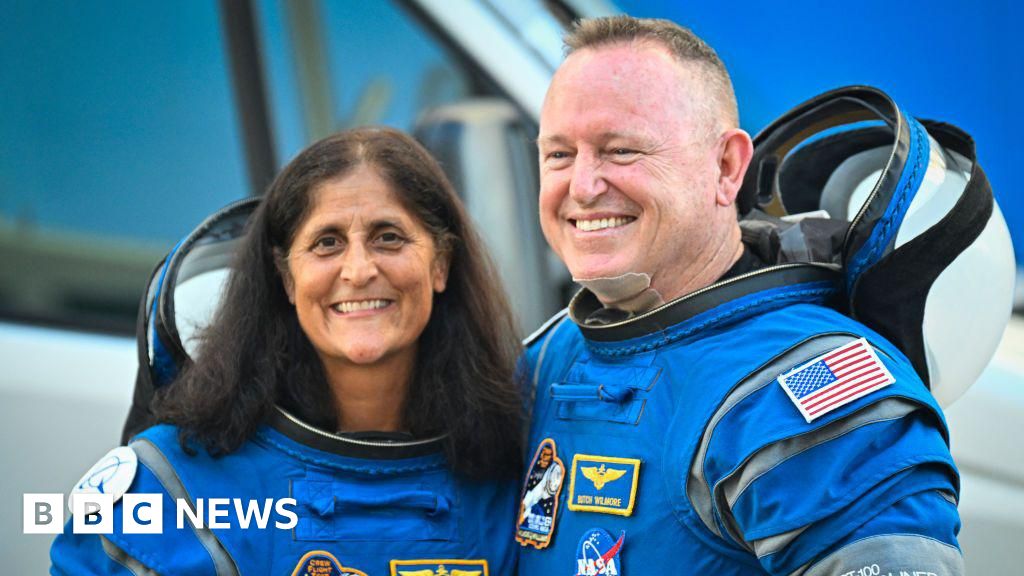
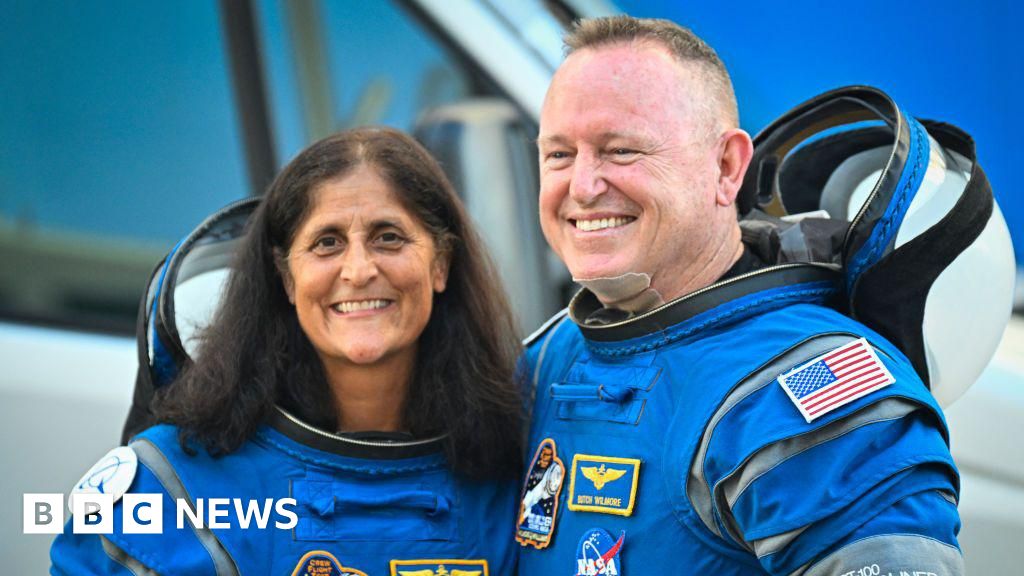
The 2024 Boeing Starliner mission, which saw two Nasa astronauts stranded in orbit for an unprecedented nine months, has been officially classified as a "Type A" mishap, the space agency’s most severe designation. This classification places the incident on par with catastrophic events like the 1986 Challenger and 2003 Columbia space shuttle disasters, signifying a critical failure with potentially grave consequences. The severity of the designation underscores the extensive technical failures and critical leadership shortcomings that plagued the Starliner program, culminating in a mission that was intended to be a routine eight-to-14-day test flight for Nasa astronauts Butch Wilmore and Suni Williams, but instead became a harrowing ordeal that tested the limits of human endurance and spacecraft reliability.
In a scathing assessment following the release of a comprehensive 312-page independent investigation report, Nasa Administrator Jared Isaacman did not mince words, directly criticizing both Boeing, the spacecraft’s manufacturer, and elements within Nasa itself for a cascade of poor decision-making and leadership failures. Isaacman pointed to a pattern of overlooked issues in previous Starliner missions, stating, "the spacecraft had faced issues throughout its prior recent missions but had still been accepted for the test." This revelation suggests a concerning willingness to proceed with a critical human spaceflight mission despite known and unresolved technical deficiencies, a decision that now carries the weight of the agency’s highest level of failure classification.
The "Type A" mishap designation is reserved for incidents that result in more than $2 million in damages, the loss of a vehicle or its control, or, most critically, loss of life. While thankfully no injuries occurred and the mission was ultimately brought under control before docking with the International Space Station (ISS), Nasa’s decision to assign this classification acknowledges the significant inherent risk and the potential for a far more tragic outcome. The agency’s statement explicitly noted, "While there were no injuries and the mission regained control prior to docking, this highest-level classification designation recognises there was potential for a significant mishap." This highlights a near-miss scenario, where a series of escalating problems could have led to a disaster of immeasurable proportions.
The independent investigation team, commissioned by Nasa, meticulously dissected the complex web of failures that led to the Starliner’s extended mission. Their findings, detailed in the extensive report, pointed to a confluence of factors, including critical hardware malfunctions, significant leadership misjudgments, and systemic cultural issues within both Boeing and Nasa. These organizational and procedural deficiencies, the report concluded, created an environment where safety standards were compromised, ultimately paving the way for the Starliner’s troubled trajectory.
Specifically, the report identified poor engineering practices and a distinct lack of stringent oversight at Boeing as key contributors to the mission’s near-disastrous outcome. These shortcomings, it is alleged, transformed what should have been a brief operational test into a months-long survival mission for Wilmore and Williams. The astronauts, highly experienced and veteran spacefarers, found themselves enduring an extended stay aboard the ISS, their return to Earth delayed repeatedly due to ongoing issues with the Starliner capsule. This protracted period in orbit not only subjected them to immense physical and psychological stress but also represented a significant departure from planned mission timelines and added considerable logistical complexities for Nasa.
The prolonged duration of the Starliner’s presence in space meant that Wilmore and Williams ultimately required a ride back to Earth aboard a SpaceX Crew Dragon spacecraft. This reliance on a competing commercial provider for their return, a stark indicator of Starliner’s failure to perform its intended function, further emphasized the magnitude of the program’s struggles. Both astronauts have since retired from Nasa, their illustrious careers concluding under the shadow of this highly publicized and problematic mission. Their decision to retire, while likely personal, can be seen as a poignant consequence of the extended and stressful circumstances they endured.
In his strong condemnation, Isaacman emphasized the shared responsibility between Boeing and Nasa, stating, "While Boeing built Starliner, Nasa accepted it and launched two astronauts to space." This assertion underscores Nasa’s role in approving the mission and accepting the spacecraft for human flight, even with pre-existing concerns. The administrator’s commitment to transparency and accountability was evident as he declared, "We are correcting those mistakes. Today, we are formally declaring a Type A mishap and ensuring leadership accountability so situations like this never reoccur." This declaration signals a commitment to implementing rigorous corrective actions and holding individuals and organizations responsible for the failures.
The lessons learned from the Starliner debacle are intended to inform future human spaceflight endeavors. Nasa has indicated that it will accept the independent investigation’s findings as final and is actively implementing corrective measures to address the identified deficiencies. The space agency’s pursuit of space exploration, particularly through its Commercial Crew Program, relies heavily on the safety and reliability of its commercial partners. The Starliner incident serves as a critical, albeit painful, reminder of the immense challenges inherent in human spaceflight and the non-negotiable importance of stringent safety protocols and unwavering leadership.
The Commercial Crew Program, initiated by Nasa to foster the development of private spacecraft capable of transporting astronauts to the ISS, aimed to restore American human launch capability after the retirement of the Space Shuttle program. Boeing, alongside SpaceX, was awarded significant contracts to develop and operate these new vehicles. While SpaceX has largely achieved consistent success with its Crew Dragon, Starliner has faced a series of significant developmental setbacks and delays, raising questions about Boeing’s execution and Nasa’s oversight. The "Type A" classification of the 2024 mission represents the most severe critique to date of the Starliner program and its impact on Nasa’s ambitious space exploration agenda.
The ongoing scrutiny of the Starliner program extends beyond the technical aspects, delving into the organizational culture and management practices at both Boeing and Nasa. The investigation’s findings suggest a need for a fundamental re-evaluation of how complex aerospace projects are managed, from initial design and testing to operational deployment. The call for "leadership accountability" signals a determination to prevent a recurrence of such critical failures, emphasizing that the pursuit of ambitious space exploration must always be underpinned by an unshakeable commitment to the safety and well-being of astronauts. As Nasa looks towards future missions, including its Artemis program to return humans to the Moon and eventually send them to Mars, the lessons from the Starliner saga will undoubtedly play a crucial role in shaping its approach to partnerships and mission assurance. The agency’s commitment to transparency, as articulated by Administrator Isaacman, is a vital component of rebuilding trust and ensuring that the future of space exploration is built on a foundation of rigorous safety and proven reliability.



 Nakalama John
 George Anjay
 Ramos Leo
 Roy Suryo