
 atisusanti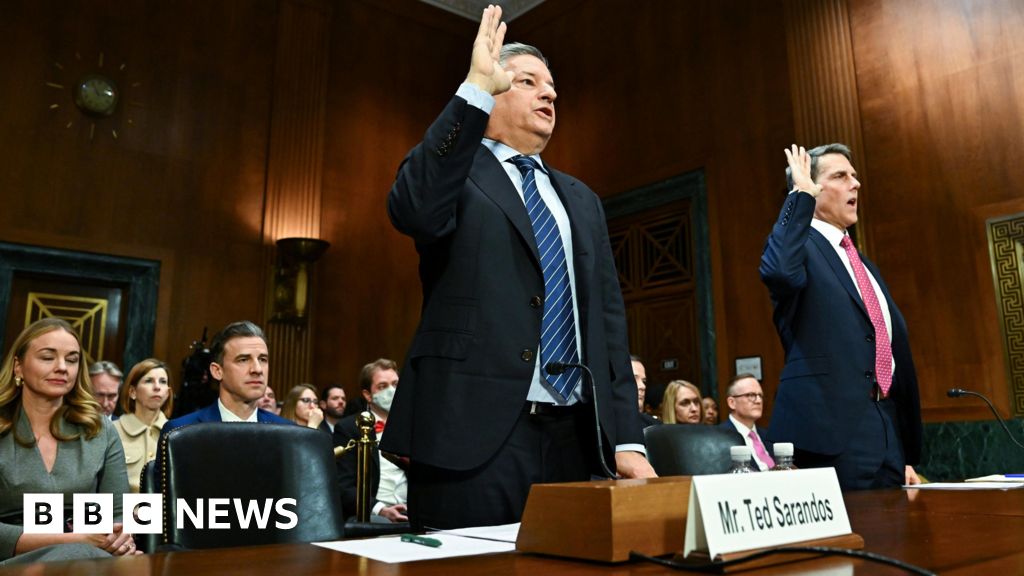
Netflix found itself on the defensive as a US Senate antitrust subcommittee convened to scrutinize its proposed $82 billion acquisition of Warner Bros Discovery, a deal that has ignited significant concerns among lawmakers regarding its potential impact on competition, consumer prices, and the broader entertainment landscape. The streaming giant’s executives faced a barrage of skeptical questions from a bipartisan group of senators, underscoring a growing unease about the consolidation of power within the already concentrated media industry. The hearing, held on Tuesday, served as a crucial platform for senators to voice their apprehensions about reduced competition, the potential for inflated subscription costs, and the long-term viability of cinematic releases should the merger proceed.
The proposed transaction, currently under the watchful eye of the Department of Justice (DoJ), would grant Netflix unparalleled control over Warner Bros’ esteemed film and television studios, alongside the popular HBO Max streaming service. This potential consolidation has not only drawn the ire of regulators but also intensified the rivalry with Paramount Global, whose Skydance division is actively pursuing its own competing bid to acquire Warner Bros Discovery. The senators’ pointed inquiries revealed a united front of concern, transcending party lines, although the ultimate decision on whether to approve or block the merger rests with the DoJ.
During the rigorous questioning, Ted Sarandos, the co-chief executive officer of Netflix, was pressed extensively on a range of critical issues. Senators probed the future of traditional movie theaters in a post-merger scenario, the potential ripple effects on consumer subscription pricing, and the broader implications for the entertainment industry’s workforce. Sarandos, aiming to assuage these fears, offered assurances that Netflix would adhere to a 45-day theatrical release window for Warner Bros films, a commitment that aligns with the current industry standard. He further pledged to maintain the operational integrity of the studio, stating his intention to run it "largely as it is today."
Sarandos articulated a vision where the combined entity would ultimately benefit consumers by offering "more content for less." He cited data indicating that a substantial 80% of HBO Max subscribers already maintain a Netflix subscription, suggesting that the merger would streamline offerings and potentially reduce overall entertainment spending for households. Furthermore, he insisted that the integration would serve as a catalyst for job creation within the American entertainment sector.
However, these assurances were met with considerable skepticism. Republican Senator Mike Lee, a vocal critic of large-scale mergers, cautioned that "consolidating two major employers within the same market inevitably has an impact on, and can significantly weaken, competition for that labor." This sentiment echoed concerns that the merger could lead to suppressed wages and reduced opportunities for entertainment professionals.
While many Republican senators focused on the competitive implications, some also veered into the contentious realm of cultural commentary. Senator Eric Schmitt, a Republican, directly accused Netflix of promoting "overwhelmingly woke" content, injecting a partisan ideological critique into the antitrust discussion. This highlights the multifaceted nature of the opposition, encompassing both economic and cultural concerns.
Notably absent from the hearing was David Ellison, the chief executive of Paramount, whose Skydance division remains a determined rival bidder for Warner Bros Discovery, despite facing repeated rejections. The Ellison family-backed Paramount has put forth a competing offer valued at $108 billion, which they argue is a superior proposition. Critics, however, have cast a critical eye on both proposed mergers, asserting that either deal would concentrate an excessive amount of power within a single corporate entity.
Senator Cory Booker, a Democrat, expressed his "frustration" at Paramount’s absence from the proceedings, revealing that David Ellison had declined his invitation to testify. Booker articulated a broader concern about the implications of such consolidations, stating, "With either merger, another corporation will have that increased control over what we see, what we hear and what news we consume." This underscores the profound societal implications of media consolidation beyond purely economic metrics.
In a strategic move to bolster its position against Paramount, Netflix recently updated its offer, signaling a commitment to fund the entire transaction in cash, a departure from its initial proposal that involved a mix of cash and stock. This financial maneuver underscores the high stakes involved in this protracted bidding war.
The subcommittee’s purview also extended to examining the competitive landscape, specifically questioning whether Alphabet’s YouTube constitutes a significant rival to Netflix. Sarandos firmly asserted that the two platforms are indeed in direct competition, stating, "we are competing for the same content, we are competing for the same viewers, we are competing often for the same ad dollars." He further emphasized the evolving nature of YouTube, proclaiming, "YouTube is not just cat videos anymore. YouTube is TV."
Despite Sarandos’s assertions, some lawmakers, including Senator Lee, remained unconvinced by the argument that YouTube should be classified as a direct competitor, a stance that has also been challenged by Paramount. This ongoing debate over market definition and competitive dynamics is central to the DoJ’s review process. The Netflix-led acquisition of Warner Bros Discovery, if successful, would represent a seismic shift in the entertainment industry, reshaping the production, distribution, and consumption of content for years to come. The Senate hearing has undoubtedly amplified the scrutiny and laid bare the significant hurdles Netflix must overcome to secure regulatory approval for this ambitious and potentially transformative deal. The outcome will not only dictate the future of these media giants but also influence the broader trajectory of the global entertainment ecosystem.




 George Anjay
 Ramos Leo
 Nakalama John