atisusanti
Stroke survivors trial new at-home tech: ‘It’s given me my freedom back’
By Shiona McCallum, Senior technology reporter
Amanda James-Hammett was a vibrant 37-year-old when a sudden, unexpected stroke struck her down while she was engaged in a mundane household chore – doing the dishes. The incident was marked by a chilling, internal sensation. "I heard a pop in my head, like a big bubble," she recalled, her voice still carrying a trace of the shock. "I tried to scream, but it wasn’t a normal scream. I knew something wasn’t right." In the hours that followed, Amanda’s life was irrevocably altered as she lost the ability to speak and control her right arm. The arduous journey of relearning fundamental skills, from speaking and reading to performing simple everyday tasks, lay ahead.
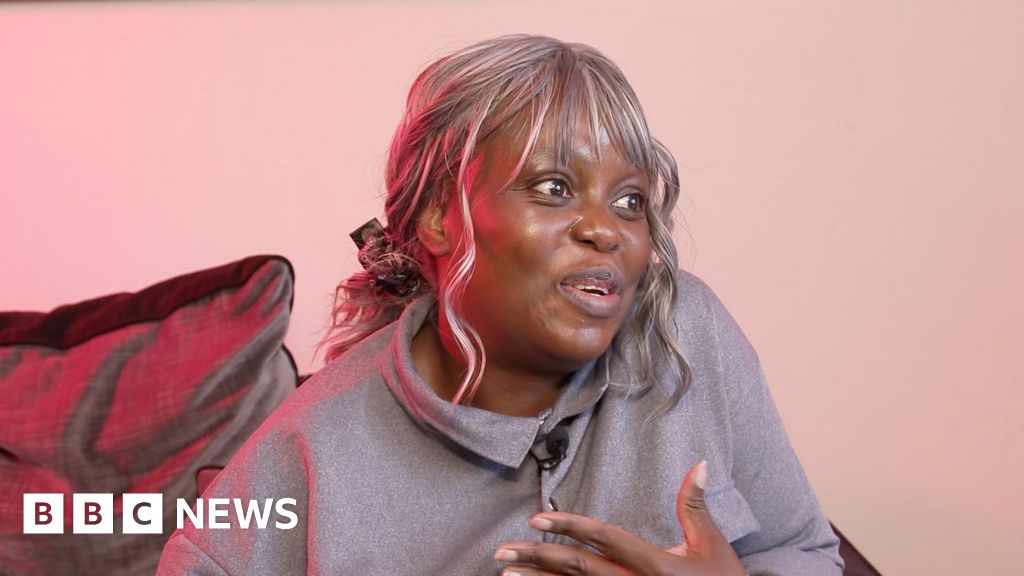
Six years later, Amanda is at the forefront of a nationwide NHS trial, a pioneering initiative testing a novel "at home" device designed to empower stroke survivors in regaining crucial hand and arm movement. The technology represents a significant leap forward in stroke rehabilitation, offering a tangible path towards reclaiming independence. "It’s about freedom," Amanda declared with a profound sense of gratitude. "It’s given me my freedom back." This transformative technology is currently being evaluated at 19 NHS sites across the United Kingdom, a collaborative effort spearheaded by Sheffield Teaching Hospitals NHS Foundation Trust in partnership with the esteemed University of Sheffield.
The research behind this groundbreaking study, known as the Triceps trial, represents the largest ever conducted into brain stimulation and stroke. With a substantial investment of £2 million, the trial aims to recruit approximately 270 participants, a cohort that will provide invaluable data on the efficacy of this innovative approach. Dr. Sheharyar Baig, a neurologist at Sheffield’s Royal Hallamshire Hospital, explained the fundamental nature of stroke: "Stroke is an interruption to the blood supply to the brain. When the blood supply is interrupted, unfortunately, the brain stops functioning in a certain area. That can lead to all manner of symptoms, from weakness to visual problems and speech problems." He emphasized the critical importance of immediate action, advising anyone experiencing such symptoms to call 999 without delay.
The statistics surrounding stroke are stark and underscore the urgent need for advanced rehabilitation strategies. Dr. Baig highlighted that stroke is "the leading cause of adult-onset disability in the UK," affecting an estimated 100,000 individuals annually. The long-term consequences of stroke are far-reaching, with over a million people currently living with its enduring effects. A significant proportion of stroke survivors, around half, experience ongoing arm weakness, a condition that can manifest in varying degrees, from a subtle loss of dexterity to complete immobility. This debilitating weakness profoundly impacts daily life, rendering seemingly simple tasks such as dressing, cooking, and even working incredibly challenging. The strain on health and social care services is immense, making the development of effective at-home rehabilitation solutions a vital imperative.
How the Device Works

The Triceps trial participants are utilizing a small, non-invasive electrical device that is discreetly placed inside the ear. This device is designed to stimulate the vagus nerve, a critical nerve that acts as a communication highway between the brain and the abdomen. The stimulation is administered concurrently with the performance of rehabilitation exercises. "The recovery process is unfortunately quite slow for many people," Dr. Baig observed, acknowledging the significant effort and countless hours of rehabilitation often required. "So we’re interested in ways we can boost the effects of rehab and create a brain environment that’s more responsive to it."
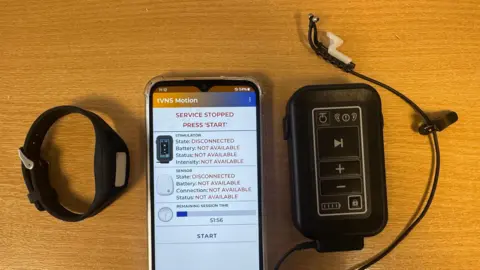
A key advantage of this new technology is its non-invasive nature. Unlike earlier iterations of vagus nerve stimulation that necessitated surgical implantation, this treatment can be conveniently used in the comfort of the patient’s own home. Dr. Baig assured that the electrical pulses delivered by the ear piece are calibrated to be comfortable and entirely pain-free, ensuring a positive user experience. The device itself comprises an ear piece, a portable wrist-worn unit, and a smartphone interface for control and monitoring.
‘A New Woman’
Amanda embraced the opportunity to participate in the trial, using the device for up to an hour daily as part of her comprehensive rehabilitation regimen over a period of 12 weeks. This routine involved a combination of targeted exercises and the integration of the device into everyday tasks. Initially, Amanda harbored doubts about its effectiveness. "At first, I didn’t think it was going to work at all," she admitted. However, her skepticism gradually dissolved as she began to witness tangible progress. "But after a couple of weeks, I started to see changes in my hand."
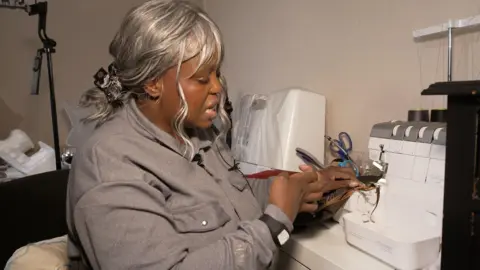
One of the most significant milestones for Amanda was the return to sewing, a beloved passion that had been rendered inaccessible in the wake of her stroke. The ability to once again engage with her sewing machine and manipulate fabric brought immense joy and a profound sense of accomplishment. "I can put my socks on, I can do my shoes, I can do my house," she shared with the BBC, her voice brimming with renewed confidence. "I don’t have to wait for anyone else." This newfound independence, facilitated by the technology, has fundamentally transformed her quality of life. She now feels like "a new woman," capable of performing tasks that were once insurmountable.
Early Improvements
To date, over 200 individuals have actively participated in the Triceps trial. While the study employs a blinded approach, meaning neither participants nor researchers know who is receiving active stimulation versus a placebo, the early indicators are overwhelmingly positive. "We have seen some wonderful improvements in people’s arm function," Dr. Baig reported. He was careful to clarify that the treatment is not a cure but rather a therapeutic tool designed to enhance functional recovery and improve daily living.
The anecdotal evidence from the trial is compelling. Dr. Baig shared several inspiring examples: "Somebody who was unable to carry a cup of tea with one arm can now walk from room to room holding it stably." Another participant achieved a personal best in a 5K run, noting a marked improvement in their arm function during the activity. The Stroke Association, a key partner in funding this vital research, is closely monitoring the trial’s progress. Maeva May, the charity’s associate director of systems engagement, explained their focus: "The team are doing brain imaging and taking blood tests because we know that some stroke patients really respond well to this technology while some don’t. We want to understand what patients respond best and how."
Dr. Baig expressed optimism about the technology’s potential for wider adoption. He believes that if proven effective, the tech could be "quite scalable" due to its affordability, user-friendliness, and its capacity for seamless integration into existing rehabilitation services. For Amanda, the impact of this innovative technology is already profound and deeply personal. "It’s about being independent again," she concluded, her words resonating with the essence of regained autonomy. "Those small things make a big difference." The Triceps trial represents a beacon of hope, offering a tangible pathway towards a more independent and fulfilling life for countless stroke survivors.



 George Anjay
 Ramos Leo
 Roy Suryo
 Nakalama John