Roy Suryo
Inquests are shedding light on the insidious spread of highly potent synthetic opioid drugs, known as nitazenes, which experts warn can be many times more powerful than heroin. These dangerous substances have been linked to hundreds of deaths across the UK, with concerning evidence emerging that many individuals are consuming them unintentionally, as they are being deceptively mixed into other illicit drugs as cheap substitutes. This investigation delves into how these potent compounds are infiltrating the drug supply chain and raises critical questions about the adequacy of current measures to combat their proliferation.
Gus, a bright 21-year-old, was at a crossroads after his A-levels, exploring various career paths and embarking on an enriching travel experience. He documented his adventures hiking volcanoes in Mexico and observing the impacts of climate change, a journey that solidified his decision to pursue a university degree in journalism. Tragically, just a week after his return home, Gus died from an unintentional overdose. His mother, Nicola, heartbroken by the loss, described her son as being "at one of the best places in his life" before his untimely death.

Gus had settled in for a night of relaxation, intending to watch a film and enjoy a takeaway. He believed he was taking a tablet of oxycodone, a strong pain medication he had purchased illicitly. However, three months later, Nicola received a post-mortem report that revealed the devastating truth: the tablet contained a type of nitazene. Despite her extensive medical career as a consultant radiologist, Nicola had never encountered these synthetic opioid drugs. The subsequent coroner’s inquest concluded that her son’s death was drug-related, directly attributed to the "substitution" of a nitazene for the oxycodone he intended to consume.
"I can tell you that is the most awful thing to suddenly open an e-mail and read your child’s post-mortem," Nicola recounted, her voice heavy with grief. "It said that there was nitazene in his bloodstream and this was thought to be the cause of death, and I thought ‘what the hell is that?’"
Professor Michel Kazatchkine, a distinguished founding member of the Global Commission on Drugs Policy, highlighted the alarming scale of the crisis, stating that the UK is "by far outpacing all other countries [in Europe] and it’s even outpacing Canada" in terms of nitazene-related fatalities. It is important to note that these figures may not be exhaustive, as not all coroners voluntarily submit their records, and there is an average seven-month delay in registering drug-related deaths, meaning some fatalities are only reflected in the following year’s statistics. The current analysis is based on 286 inquests that forensically linked deaths to nitazenes by the end of March 2025.

Dr. Caroline Copeland, director of NPSUM, emphasized that many of those affected by nitazenes are among the "most marginalised" members of society. Her analysis of the inquest records revealed that over 20% of individuals had experienced housing instability, resided in the most deprived areas, faced high unemployment, and suffered from significant mental health disorders.
The opioid antidote naloxone is considered a crucial tool in preventing deaths from substances like nitazenes. However, its presence was noted in only one in every seven inquest records. Joe, a 39-year-old man who battled schizophrenia and substance misuse disorder, was found dead from an overdose involving heroin adulterated with nitazenes at a hostel in Camden, London. Tragically, neither the hostel nor the mental health NHS Trust treating Joe were permitted to provide naloxone kits to residents or patients known to use drugs. In response to this critical gap, the Department of Health and Social Care initiated a 10-week consultation in December on proposed legislative changes to expand naloxone access across the UK.
Joe’s mother, Jude, expressed her profound sorrow and frustration. "Joe was a wonderful, sensitive, caring, intelligent, talented young man. And he, like everybody else, had a right to live," she said. "He also was carrying this terrible illness and coping as best he could, and was hugely vulnerable to exploitation and accidental overdose." Jude deemed it "negligent" that nearly a year had passed since the inquest before this consultation began, feeling it "diminishes the value of my son’s life and the tragedy of his death." She added, "People like Joe are still hugely at risk and I’m sure they’re still dying."
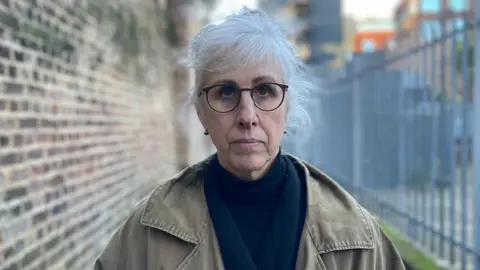
In Sandwell, West Midlands, the charity Cranstoun is piloting an innovative outreach service. Nurse Sue McCutcheon, with over 30 years of experience, proactively seeks out individuals on the streets struggling with substance dependence who may be unable or unwilling to access traditional support services. McCutcheon, who can prescribe treatments and distribute naloxone, views this as a matter of "duty of care or a moral issue." She questioned, "If these people don’t come into our buildings to get naloxone, where are they going to get it from?"
The National Crime Agency (NCA) suspects that nitazenes are being smuggled into the UK via postal services. Their potent nature allows them to be concealed in small volumes within parcels. Adam Thompson, the NCA’s head of drugs threat, noted that while heroin purity has declined on the streets, there are no indications of a shortage in the UK. "In most cases, organised criminals’ sole motivation for using nitazenes is greed," Thompson stated. "They buy potent nitazenes cheaply and mix them with other drugs… to strengthen the product being sold and make significant profits."
The government announced its commitment to continuously enhance its surveillance and early warning systems to alert the public to emerging new drugs. Analysis of the inquest records also highlighted a disturbing trend of polydrug use, where multiple substances are increasingly implicated in fatalities.
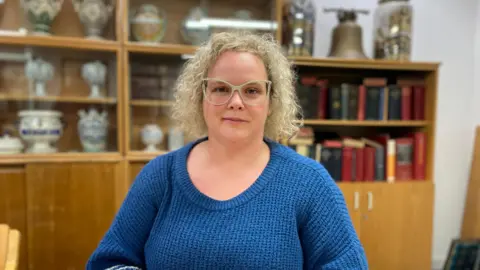
Dr. Alex Lawson, a consultant clinical scientist in toxicology for University Hospitals Birmingham NHS Foundation Trust, described the challenges in identifying these novel compounds. Following a surge in nitazene-related deaths in Birmingham in the summer of 2023, lessons learned have been shared by the city’s agencies to inform contingency plans in other areas. Lawson’s team’s area accounts for one in seven of the NPSUM records analyzed. While they routinely test for up to 2,500 different drugs, this level of comprehensive testing is not uniform across all coroner areas. "Things are improving but the nitazenes that people are testing for will vary from lab to lab, and not every laboratory will be able to keep up to date with the newest nitazenes that are on the market," Lawson cautioned.
Copeland has co-authored new research indicating that nitazene-related deaths may be underestimated by as much as a third. The study found that these drugs degrade in post-mortem blood samples more rapidly than most forensic samples are processed in real-world scenarios, potentially leading to their undetected presence.
Concerns over mis-selling
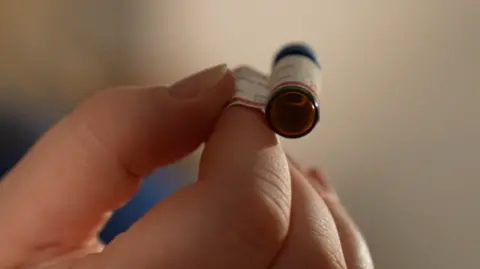
The most recent annual report from WEDINOS, the UK’s sole national drug-checking service, revealed a significant issue of mis-selling. Over a third of the samples tested did not contain the substance the purchaser intended to buy, and some contained additional, unlisted substances. Copeland noted that at the beginning of 2023, nitazenes were primarily found contaminating heroin. However, they are now being discovered as complete substitutes for other drugs. "The complete mis-selling is something that is very concerning for nitazenes, because people don’t know what they’re taking, so they’re not going to be able to take the necessary precautions," she warned.
In October 2025, the government launched a new campaign targeting 16 to 24-year-olds and social media users to raise awareness about the harms associated with drugs, including nitazenes. A spokesperson stated that funding for council public health schemes has been guaranteed for the next three years, including £3.4 billion dedicated to drug and alcohol prevention, treatment, and recovery. The government also emphasized its strategy of strengthening border security to prevent "these lethal substances from entering the country." Additionally, naloxone is now being carried by officers in 32 out of the 45 police forces across the UK.
Nicola expressed her desire to combat the stigma surrounding drug-related deaths. "You don’t want your child to be judged. There’s always a stigma with certain types of death and substances is one of them," she explained. "And I didn’t want Gus to be tarred with any of that, so at first you don’t say anything and then I thought, I have to tell his friends and I have to tell people." Reflecting on Gus’s final moments, she recalled, "He wasn’t a great sleeper. I think he just thought he would take something, it would relax him and he would just have a nice sleep that night, and it put him to sleep and he never woke up."

Additional reporting by Navtej Johal and additional data journalism by Paul Bradshaw.
The Shared Data Unit provides data journalism to news organizations across the media industry as part of a collaboration between the BBC and the News Media Association. Further information about the Local News Partnerships is available here.




 Ramos Leo
 atisusanti
 Nakalama John
 George Anjay