
 atisusanti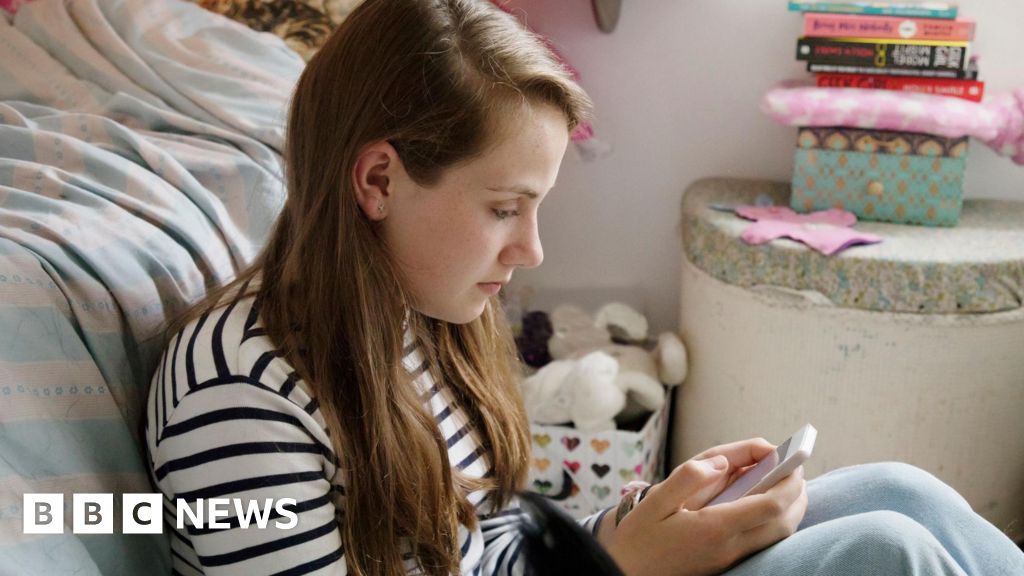
Prime Minister Sir Keir Starmer has declared that no online platform will receive a "free pass" concerning the safety of children on the internet, signaling a robust new stance on digital safeguarding. These ambitious plans aim to introduce sweeping powers that will enable the swift amendment of laws to address rapidly evolving online behaviours. Furthermore, legislation will be updated to ensure the preservation of children’s social media and online data, a crucial measure championed by the dedicated "Jools’ Law" campaign. However, these proposals have not been without criticism, with opponents accusing the government of "inaction" and demanding that Parliament be granted a vote on the potential ban of social media access for children.
The government had previously announced its intention to launch a public consultation in March, a move designed to gather diverse opinions on restricting children’s access to AI chatbots and limiting addictive features like infinite scrolling, often referred to as "doomscrolling." This proactive step follows significant public debate and scrutiny, particularly after contentious exchanges between government ministers and X’s owner, Elon Musk, earlier this year. The controversy stemmed from the use of X’s Grok AI chatbot to generate non-consensual, fake nude images of women, highlighting a disturbing potential for misuse of advanced AI technologies.
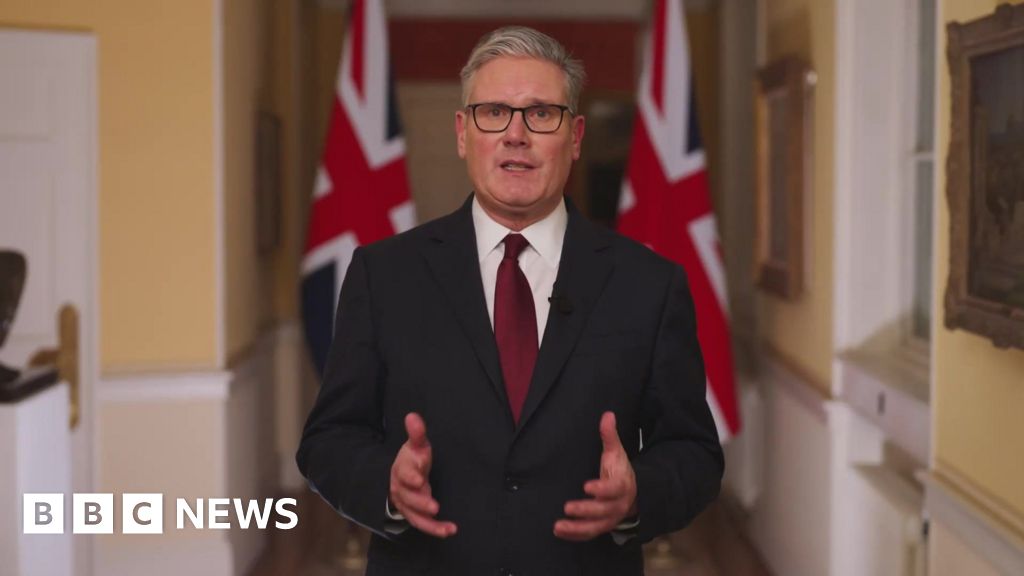
In anticipation of the consultation’s launch, Sir Keir articulated a clear message, stating, "The action we took on Grok sent a clear message that no platform gets a free pass." He further emphasized the dynamic nature of technological advancement and the imperative for legal frameworks to keep pace, asserting, "Technology is moving really fast, and the law has got to keep up. With my government, Britain will be a leader, not a follower, when it comes to online safety." This commitment underscores a desire to proactively shape the digital landscape rather than react to emerging threats.
The government is also exploring a range of other critical measures designed to bolster child protection online. Among these considerations is the prevention of children from utilizing virtual private networks (VPNs) to gain illicit access to pornography, a growing concern given the ease with which such tools can be employed. Additionally, there are plans to amend existing laws to ensure that chatbots are legally mandated to protect their users from encountering illegal content. This would place a direct responsibility on AI developers and platform providers to build safety features into their systems from the outset, rather than relying on users to report harmful material.
Further enhancing these protective measures, the government intends to revise the rules governing the storage of children’s social media data, a significant development stemming from the "Jools’ Law" campaign. This crucial amendment is slated to be incorporated into the Crime and Policing Bill. The impetus for this change arose from the tragic case of Jools Roome, who died at the age of 14 in 2022. His mother, Ellen Roome, believes her son’s death was linked to an internet challenge that went tragically wrong. However, she faced insurmountable obstacles in attempting to access his online data, which she felt could have provided vital answers.
Under the current regulations, bereaved families face a stringent 12-month window to request a child’s data from tech companies. This request must be formally made by either a coroner or the police. The harsh reality for many parents is that by the time these official channels are engaged, the digital records of their children’s online activities have already been permanently deleted, leaving them with no recourse and deepening their grief. The proposed new rules aim to fundamentally alter this process. They will stipulate that if a child’s data might be relevant to the cause of death, it must be preserved within a significantly shortened timeframe of just five days. This expedited preservation is intended to offer a greater chance for families to uncover the truth and potentially find closure.
Ellen Roome, a driving force behind the "Jools’ Law" campaign, expressed her profound hope that these upcoming changes will provide much-needed support for other grieving families. "This going forward will help other bereaved families," she stated. However, she also powerfully articulated the broader imperative: "What we now need to do is stop the harm happening in the first place. This is really relevant when a child dies, but we need to stop them dying in the first place." Her words highlight the urgent need for preventative measures that address the root causes of online harm, rather than solely focusing on post-incident investigations.
Lord Nash, a former Conservative minister who has been a vocal advocate for stricter social media controls for children in the House of Lords, welcomed the government’s adoption of the "Jools’ Law" principles. He acknowledged the significance of this step in safeguarding young people. However, Lord Nash firmly believes that to prevent "future tragedies," the government must take more decisive action. He argued forcefully that the age limit for accessing the most harmful platforms should be raised to 16 with immediate effect. This call for a higher age threshold reflects a growing consensus among those concerned about the impact of social media on adolescent development and well-being.
The political response to the consultation announcement has been mixed, with opposition parties expressing skepticism about the pace of progress. Shadow Education Secretary Laura Trott characterized the consultation as a sign of "inaction," lamenting that Britain was "lagging behind" on crucial child safety issues. She unequivocally stated her position: "I am clear that we should stop under-16s accessing these platforms." This sentiment was echoed by Liberal Democrat spokeswoman Munira Wilson, who accused the government of continuing to "kick the can down the road." Ms. Wilson urged for a "much clearer, firm timeline" regarding when concrete action will be implemented, emphasizing the urgency of the situation.
In response to these concerns, Technology Secretary Liz Kendall reaffirmed the government’s commitment to its child safety agenda. She stated that the government was "determined to give children the childhood they deserve and to prepare them for the future at time of rapid technological change." Ms. Kendall assured the public that the government "would not wait" to implement the necessary actions that families urgently require. This statement aims to convey a sense of resolve and a commitment to swift and effective policy implementation, aiming to reassure parents and stakeholders that child online safety remains a top priority. The government’s multifaceted approach, encompassing legislative reform, technological regulation, and public consultation, signals a significant effort to create a safer digital environment for the nation’s children.



 Ramos Leo
 Nakalama John


 George Anjay