
 George Anjay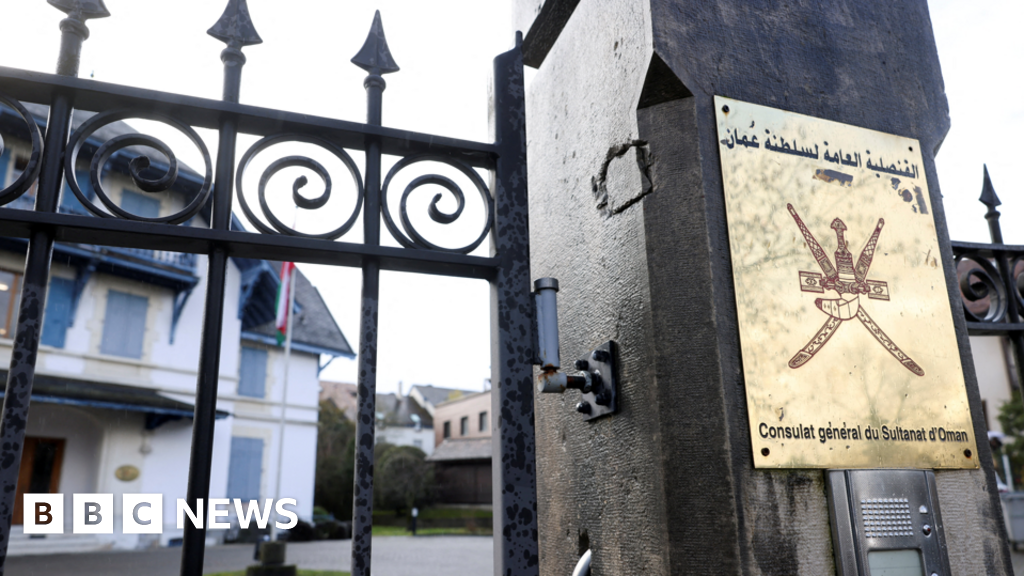
A crucial second round of indirect nuclear negotiations between Iran and the United States concluded today in Geneva, Switzerland, with both sides acknowledging progress but emphasizing the need for continued dialogue. Iranian Foreign Minister Abbas Araqchi announced that an "understanding on the main guiding principles" had been reached, though he cautioned that "work still needs to be done." The US delegation has yet to issue a formal comment, but the tenor of the Iranian statement suggests a cautious optimism that the talks have moved beyond an impasse.
These high-stakes discussions, mediated by the Sultanate of Oman, have been shadowed by escalating rhetoric and a significant US military buildup in the Middle East. The backdrop to these talks is a stark contrast: while diplomats engage in Geneva, Washington has repeatedly issued military threats against Tehran, particularly in response to Iran’s domestic crackdown on anti-government protests and its continued nuclear program.
Speaking aboard Air Force One en route to an undisclosed location, US President Donald Trump expressed his belief that Iran was genuinely seeking a resolution. "I think they want to make a deal," Trump stated, hinting at a shift in Tehran’s negotiating stance. This sentiment was echoed by the Iranian foreign ministry, which indicated that the US position on the nuclear issue had evolved towards a "more realistic one."
Prior to the Geneva meetings, Iran had clearly articulated its focus: the nation’s nuclear program and the potential for the lifting of crippling economic sanctions imposed by the United States. Conversely, Washington had previously signaled its intention to broaden the agenda, including discussions on Iran’s ballistic missile development.
President Trump, framing the Geneva talks as "very important," indicated his indirect involvement and suggested Tehran’s motivation for negotiation was heightened this time. "I don’t think they want the consequences of not making a deal," Trump asserted, alluding to past military actions. He referenced a previous instance where, he claimed, the US had bombed Iranian nuclear sites to prevent a deal, stating, "We could have had a deal instead of sending the B-2s in to knock out their nuclear potential. And we had to send the B-2s." The US president concluded, "I hope they’re going to be more reasonable."
These pronouncements of military action by Trump come amidst a noticeable escalation of US military presence in the Middle East over recent weeks. Intelligence suggests the deployment of the USS Gerald R. Ford, currently the world’s largest aircraft carrier, to the region, with an estimated arrival within the next three weeks. This deployment is part of a broader strategy to project American power and deter potential aggression.
In a defiant response to the US military buildup and threats, Iran’s Supreme Leader Ayatollah Ali Khamenei issued a stern warning. "More dangerous than an aircraft carrier is the weapon that can send it to the bottom of the sea," Khamenei declared. He directly addressed Trump’s assertion of American military superiority, stating, "He says the US’s army is the strongest army in the world. The ‘strongest army in the world’ may sometimes receive such a blow that it cannot get back up." Khamenei also accused the US of attempting to predetermine the outcome of negotiations, labeling such an approach as "wrong and foolish."
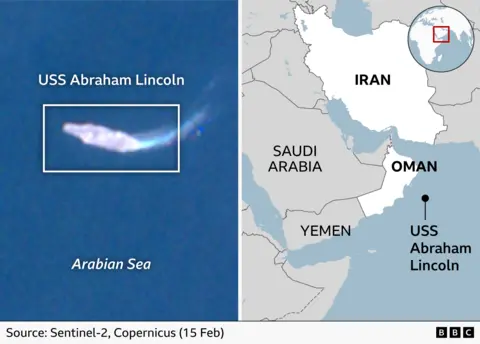
BBC Verify has corroborated reports of an increased presence of US destroyers, combat ships, and fighter jets in the region, further amplifying the sense of heightened tension. The US Navy released an image in February depicting the Lincoln carrier strike group in the Arabian Sea, a clear visual demonstration of military might.
In parallel with the US buildup, Iran has also engaged in its own displays of force. The Islamic Revolutionary Guard Corps (IRGC) initiated a maritime drill in the strategically vital Strait of Hormuz on Monday. This narrow waterway, situated between Oman and Iran, is a critical international shipping lane and a primary oil export route for Gulf Arab states.
Adding to the complex diplomatic landscape, US Secretary of State Marco Rubio commented on the prospects of reaching an agreement, describing it as "very difficult." During a visit to Hungary, Rubio stated, "I think that there’s an opportunity here to diplomatically reach an agreement… but I don’t want to overstate it either. It’s going to be hard."
The Iranian Foreign Minister, Abbas Araqchi, met with the head of the UN nuclear watchdog on Monday, expressing his determination to "achieve a fair and equitable deal." In a post on X (formerly Twitter), Araqchi emphatically stated, "What is not on the table: submission before threats." This declaration underscores Iran’s firm stance against capitulating to what it perceives as coercive tactics.
The outcome of these Geneva talks, while indicating a potential breakthrough in understanding core principles, leaves many questions unanswered regarding the specifics of Iran’s nuclear program, the extent of sanctions relief, and the broader regional security concerns. The path forward remains fraught with challenges, requiring sustained diplomatic engagement and a de-escalation of military posturing from both sides. The world watches closely as this intricate dance of diplomacy and deterrence continues.
Additional reporting by Ghoncheh Habibiazad, BBC Persian.

 Ramos Leo
 atisusanti
 Nakalama John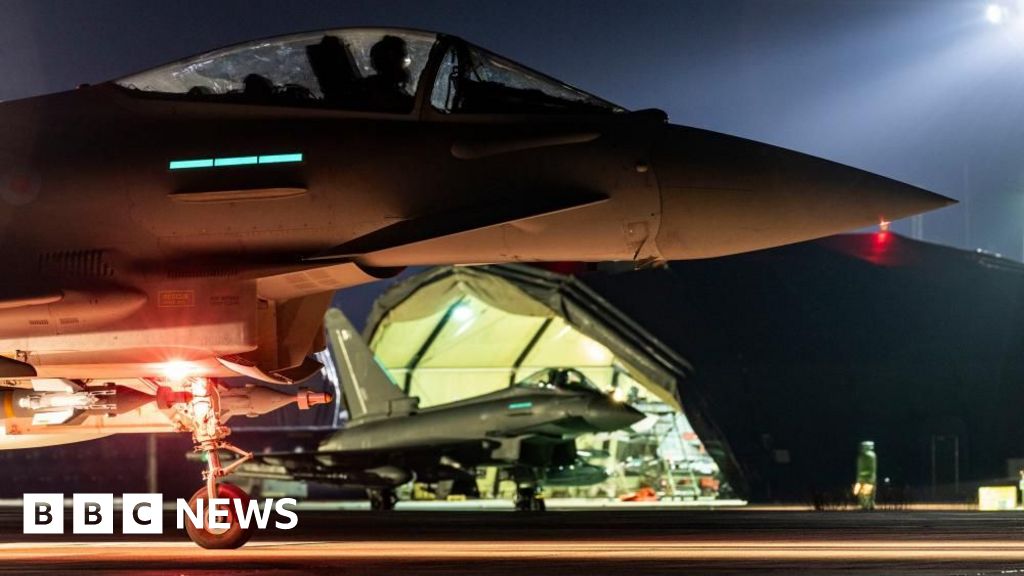

 Roy Suryo