
 Nakalama John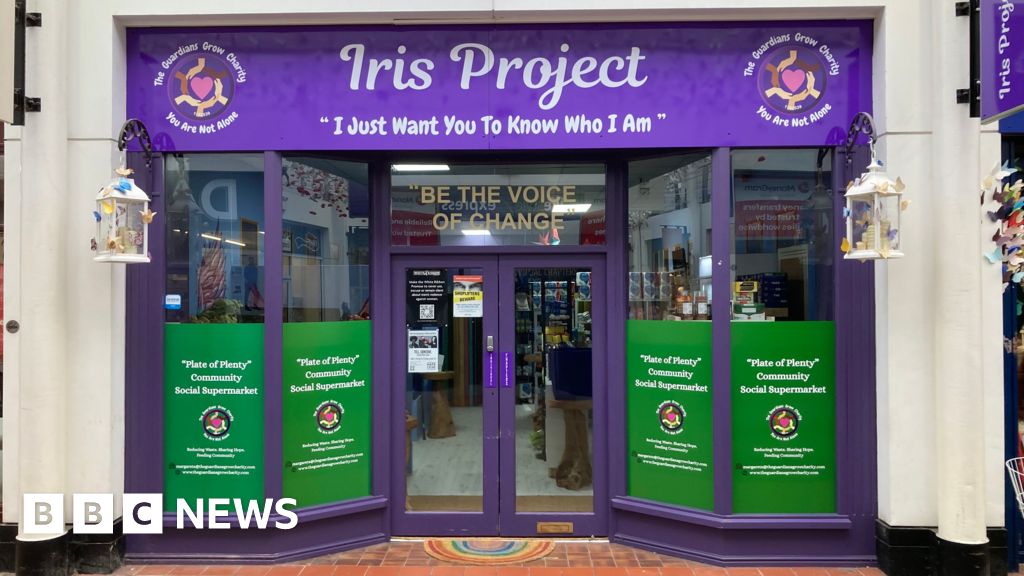
The concept of a social supermarket, such as Plate of Plenty, represents a crucial evolution in food aid, distinguishing itself from traditional food banks by fostering dignity, choice, and a sense of shared community. Unlike food banks, where items are typically given away based on strict criteria and pre-selected parcels, Plate of Plenty invites registered users to pay a nominal fee – just £5 per person – to select up to 15 items from a diverse array of goods. This modest charge not only provides a sense of agency and independence for shoppers but also contributes to the sustainability of the project, ensuring its continued operation and reach within the community. The shelves are stocked with essential canned goods, packet foods, and even cleaning products, offering a practical solution to everyday household needs that often become unattainable for those on tight budgets.
Guardians Grow, the charitable force behind Plate of Plenty, has dedicated approximately a year to bringing this project to fruition, building upon a proven track record of local assistance. Prior to the supermarket’s official launch, the charity had already extended a lifeline to over 300 local families who had been referred to them for various forms of support. This extensive experience highlighted the acute and growing need for accessible, affordable food options in Nuneaton, prompting the development of a more structured and comprehensive solution.
Sioux Watkins, the passionate founder of Guardians Grow, articulates a vision that extends far beyond merely providing groceries. She emphasizes the supermarket’s dual purpose: "We’re not just here to offer you the social supermarket, we’re here to make sure you’re accessing every service that’s available to you. We’ll make sure you are getting the support you need from other services." This holistic approach is central to the charity’s mission, aiming to address the root causes and broader challenges faced by individuals and families struggling to make ends meet. By connecting users with relevant support networks – be it for housing, mental health, employment, or debt advice – Plate of Plenty acts as a gateway to comprehensive assistance, empowering individuals to navigate their difficulties with greater resilience and informed choices. This integration of food provision with wider social support exemplifies a proactive and empathetic model of community welfare.
The journey to establishing Plate of Plenty began eight months prior to its current form, originating from humble beginnings within the charity’s main base, The Makery, also situated in the Abbeygate Shopping Centre. Watkins recounts the nascent stages: "We had around 300 individuals and families using the service and the cupboard under the stairs got a bit busy. So we decided to launch the supermarket in the store next to our hub." This rapid growth from a makeshift "cupboard under the stairs" to a dedicated supermarket facility underscores the overwhelming demand and the undeniable impact the service has already had on the lives of many Nuneaton residents. The transition reflects both the escalating need within the community and Guardians Grow’s unwavering commitment to scaling its support to meet that need effectively.
Beyond its immediate function of providing affordable food, Watkins highlights that the social supermarket is an integral component of the charity’s broader efforts to combat loneliness and isolation within the community. The act of visiting a supermarket, even a social one, provides a structured outing and an opportunity for social interaction that can be profoundly beneficial for individuals who might otherwise feel disconnected. It offers a safe, welcoming environment where people can feel valued and understood, fostering a sense of belonging that is crucial for mental well-being. This community-building aspect is a cornerstone of Guardians Grow’s philosophy, recognizing that practical aid is most effective when combined with genuine human connection and support.
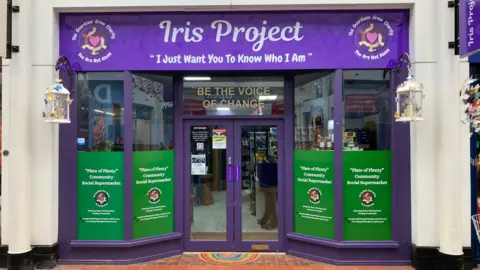
Paul Graham, a Nuneaton resident who has utilized the service since its early days under The Makery’s stairs, eloquently articulates the profound impact of Plate of Plenty. He shares a common struggle faced by many: "There are people like myself who do struggle. I don’t work through ill-health and therefore once the utility bills and rent are paid, there is very little left over for food." For individuals like Paul, who contend with the double burden of ill-health and limited income, the concept of a social supermarket is nothing short of revolutionary. It alleviates the agonizing choice between paying essential bills and putting nutritious food on the table, offering a crucial safety net in an increasingly precarious economic landscape. The ability to choose items, rather than receiving a pre-packed parcel, restores a sense of autonomy and dignity that is often eroded by financial hardship. Paul was particularly impressed with the range of items on offer, emphasizing the quality and variety available, which further enhances the shopping experience and promotes healthier eating habits.
The broader context for the emergence of services like Plate of Plenty is the severe and prolonged cost-of-living crisis gripping the UK. Soaring inflation, particularly in food and energy prices, combined with stagnant wages, has pushed many households into unprecedented financial strain. Families who once managed comfortably now find themselves struggling to afford basic necessities. Utility bills have skyrocketed, rent continues to rise, and the weekly grocery shop has become a source of anxiety rather than a routine task. In this challenging environment, social supermarkets offer a pragmatic and dignified solution, bridging the gap between mainstream retail and traditional charity, providing a vital middle ground for those teetering on the edge of food insecurity. They help stretch budgets further, reduce food waste by utilizing surplus stock, and critically, offer a sense of community and support often missing in times of crisis.
Looking ahead, Guardians Grow has ambitious plans to further expand its community outreach. Watkins revealed the charity’s hope to establish a community kitchen in the town centre. This proposed initiative would complement Plate of Plenty by offering individuals the invaluable opportunity to learn about food preparation, healthy eating, and culinary skills. Such a kitchen could host workshops on budgeting for groceries, cooking nutritious meals from affordable ingredients, and reducing food waste. It could also become a space for communal meals, fostering further social interaction and skill-sharing, thereby reinforcing the charity’s commitment to tackling loneliness and isolation through shared experiences centered around food. This multi-pronged approach aims to equip residents not just with food, but with the knowledge and skills to sustain themselves and their families more effectively in the long term.
Currently, Plate of Plenty operates between 10:00 and 14:00 on Wednesday, Thursday, and Friday, providing consistent access during weekdays. However, in response to growing demand and the charity’s desire to extend its reach, consideration is actively being given to opening on Mondays as well. The feasibility of this expansion, Watkins notes, hinges significantly on securing additional volunteer support. Volunteers are the lifeblood of such community initiatives, enabling the smooth running of operations, from stocking shelves to assisting shoppers and providing a friendly face. A call for more community involvement underscores the collective effort required to sustain and grow these essential services.
In conclusion, Plate of Plenty stands as a beacon of hope and practical support in Nuneaton, offering a dignified and affordable solution to the challenges posed by the cost-of-living crisis. It is more than just a place to buy food; it is a community hub, a gateway to wider support services, and a testament to the power of local charity in fostering resilience and well-being. Through the dedicated efforts of Guardians Grow and the vision of Sioux Watkins, Nuneaton residents are gaining not only access to essential nourishment but also a renewed sense of dignity, community, and the comprehensive support needed to thrive amidst adversity.




 George Anjay
 Ramos Leo

 atisusanti