
 Nakalama John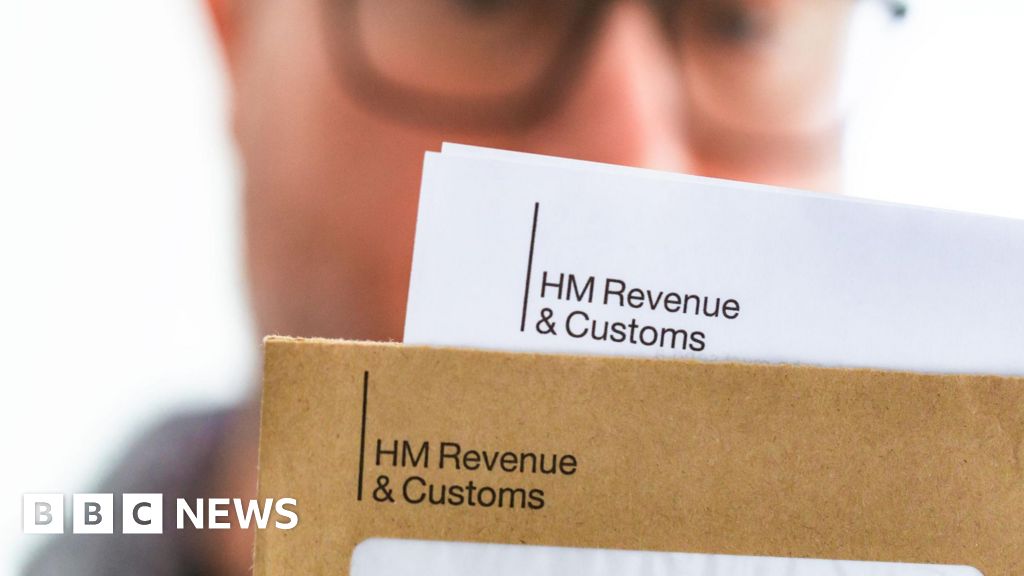
An estimated one million individuals in the United Kingdom failed to meet the critical 31st January deadline for filing their Self Assessment tax returns for the 2022-23 financial year, according to figures released by HM Revenue and Customs (HMRC). This significant oversight means that a substantial portion of the tax-paying population now faces automatic penalties, starting with an immediate £100 fine.
The sheer volume of last-minute submissions underscores the perennial struggle many taxpayers face in meeting this crucial annual obligation. HMRC reported a frantic rush in the final hours, with 27,456 people submitting their returns in the single hour leading up to midnight on Saturday, 31st January. The busiest period for online Self Assessment filing was from 17:00 GMT on the final day, demonstrating a widespread tendency for procrastination. In total, 475,722 people filed on the deadline day itself, contributing to approximately 11.5 million total submissions for the tax year.
Despite HMRC’s efforts to support taxpayers, including extending helpline hours and webchat services over the weekend leading up to the deadline, the one million who missed the cut-off now find themselves in a precarious position. Myrtle Lloyd, HMRC’s chief customer officer, expressed gratitude to those who filed on time but issued a clear warning to the latecomers: "Thank you to the millions of people and agents who filed their Self Assessment tax return and paid any tax owed by 31 January. Anyone who missed the deadline should file their return as soon as possible, as penalties and late payment interest may be charged."
The majority of working individuals in the UK have their income tax automatically deducted from their wages through the Pay As You Earn (PAYE) system. However, Self Assessment is a requirement for a diverse group of taxpayers who have income not covered by PAYE, or who have more complex tax affairs. This typically includes, but is not limited to, self-employed individuals, those with income from property rentals, and those receiving substantial income from investments, dividends, or foreign sources.
Specifically, anyone earning more than £1,000 from self-employment or letting out a property or land during the 2022-23 financial year would generally need to file a Self Assessment return. Other common reasons for needing to file include: having an annual income over £100,000, being a company director, receiving income from savings or investments where tax hasn’t been deducted, claiming certain tax reliefs, or being registered for VAT.
It’s worth noting that some individuals who were previously required to file Self Assessment may no longer need to do so. For instance, those whose sole reason for filing was an income exceeding £150,000, or those who have switched to paying the High Income Child Benefit Charge through their PAYE tax code, might have been exempt this year. These adjustments are part of HMRC’s ongoing efforts to simplify the tax system where possible, although the core requirements for Self Assessment remain broad.
The consequences of missing the Self Assessment deadline are significant and escalate over time. The initial penalty for late filing is an automatic £100, which is imposed even if no tax is owed or if the tax due is paid on time. This penalty is simply for failing to submit the return by the deadline.
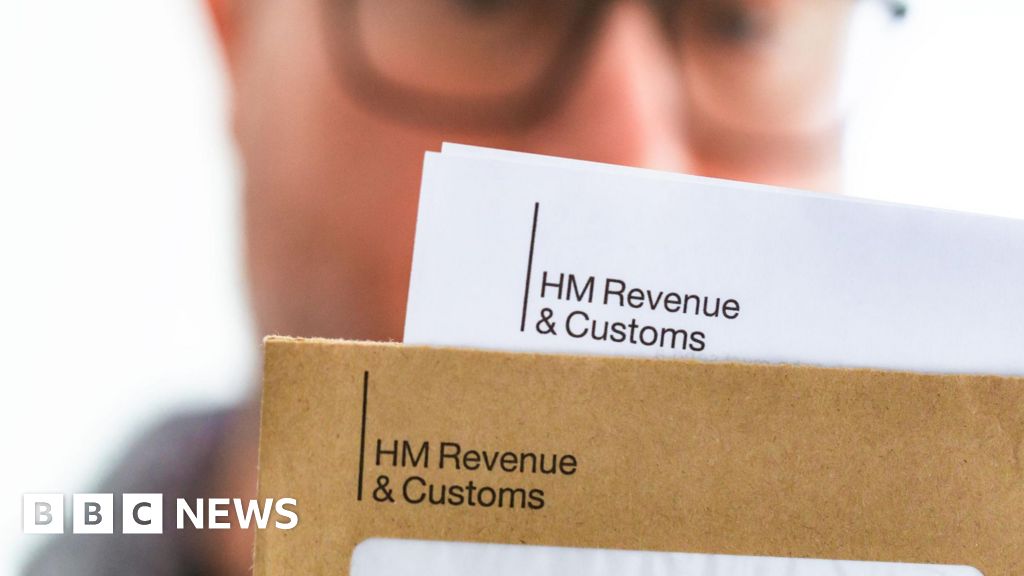
Should the return remain unfiled, further penalties are levied:
- After 3 months: An additional daily penalty of £10 is charged, up to a maximum of 90 days (£900). This means the total penalty could reach £1,000 (£100 + £900) within three months.
- After 6 months: A further penalty of 5% of the tax due or £300, whichever is greater, is applied.
- After 12 months: Another penalty of 5% of the tax due or £300, whichever is greater, is imposed. In serious cases, this 12-month penalty can be 100% of the tax due.
Beyond these filing penalties, interest is also charged on any unpaid tax from the due date. This interest accrues daily, adding to the overall financial burden for late payers. Given the current economic climate and ongoing cost of living crisis, such penalties can represent a substantial and unwelcome hit to household budgets. Kevin Peachey, the BBC’s Cost of Living correspondent, highlights the severity of these financial repercussions, especially for those already struggling.
This isn’t an isolated incident; a similar number of people missed the filing deadline a year earlier, indicating a persistent challenge for HMRC and taxpayers alike. The recurring nature of this issue suggests that a combination of factors, including the complexity of the tax system, a lack of awareness, last-minute pressures, and general procrastination, contribute to the high number of late filers.
HMRC, while strict on compliance, does acknowledge that genuine reasons can lead to missed deadlines. They will consider "reasonable excuses" for late filing, which can lead to penalties being waived. What constitutes a reasonable excuse is strictly defined and typically includes unforeseen events beyond a taxpayer’s control, such as:
- Bereavement of a close relative shortly before the deadline.
- Serious illness or a hospital stay.
- Unforeseen technical issues with HMRC’s online services that prevented filing.
- Fire, flood, or theft affecting tax records.
- Postal delays that were outside the taxpayer’s control.
However, excuses such as forgetting the deadline, not knowing how to file, or relying on someone else to submit the return (unless that person was seriously ill or incapacitated) are generally not considered reasonable.
Tax analysts offer crucial advice for those who find themselves in this predicament. Charlene Young, senior pensions and savings expert at investment platform AJ Bell, strongly advises appealing the penalty if a reasonable excuse exists, but with a critical caveat: "Although it involves shelling out cash, it avoids you paying interest on the penalty itself from the date it became due if you lose your appeal." This pragmatic approach can mitigate the financial impact even if an appeal is unsuccessful.
Furthermore, for those who owe tax but genuinely cannot afford to pay it immediately, HMRC offers "Time to Pay" arrangements. These allow taxpayers to set up a payment plan to spread the cost of their tax bill over a manageable period. It is essential to contact HMRC as soon as possible to discuss such arrangements, as ignoring the problem will only lead to further penalties and potentially debt collection action. Young adds, "If you don’t have an excuse to appeal a fine but still owe money, you might still be able to set up a payment plan to get back on track. It’s essential you don’t put your head in the sand."
The consistent number of late filers each year underscores the need for greater awareness and proactive planning. Keeping meticulous records throughout the tax year, understanding one’s tax obligations well in advance, and seeking professional advice if needed are all critical steps to avoid the stress and financial burden associated with missed deadlines. As HMRC continues its drive towards digital interaction and compliance, the onus remains on individual taxpayers to navigate their responsibilities effectively to avoid penalties and contribute smoothly to the national tax revenue.




 Ramos Leo
 atisusanti
 George Anjay

 Roy Suryo