George Anjay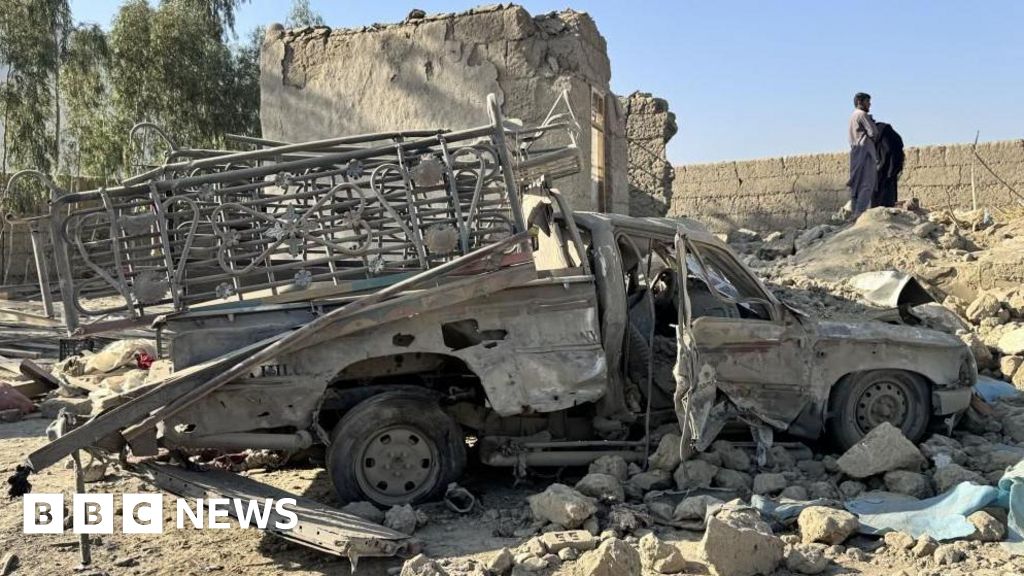
In a significant escalation of cross-border tensions, Pakistan conducted multiple overnight air strikes on Afghan territory, targeting alleged militant camps and hideouts near the Pakistan-Afghanistan border. The Taliban government in Kabul vehemently condemned the attacks, asserting that they resulted in the deaths and injuries of dozens of civilians, including women and children, and struck multiple civilian homes and a religious school. This aggressive military action by Pakistan marks a sharp departure from the fragile ceasefire that had been in place since October, following a series of deadly clashes, underscoring the deep-seated animosity and security concerns that plague the relationship between the two neighboring nations.
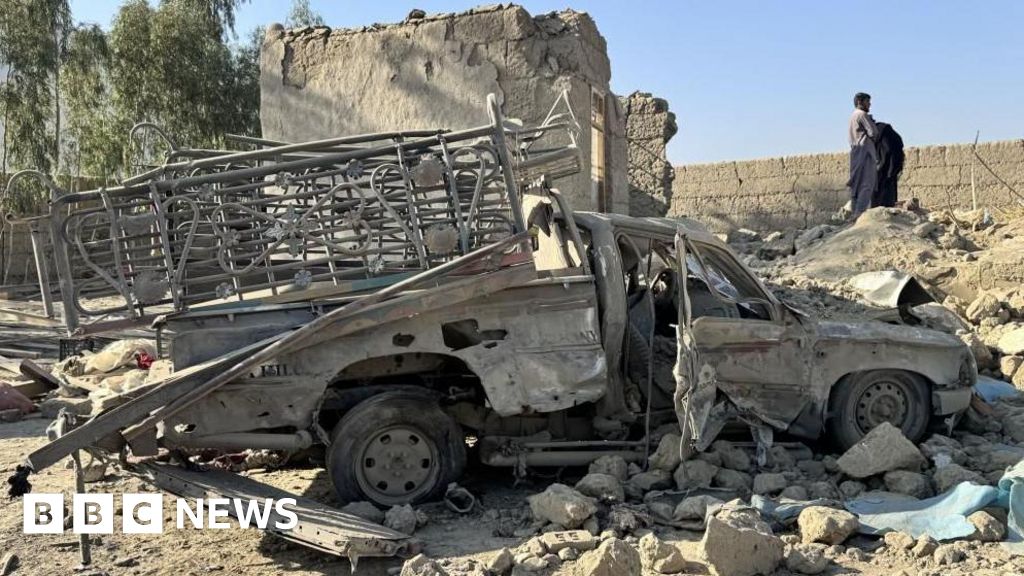
The Taliban’s defense ministry reported that the Pakistani strikes specifically targeted civilian areas within the Nangarhar and Paktika provinces. Initial reports from Nangarhar officials, relayed to the BBC, indicated a devastating outcome, with one strike reportedly hitting the home of a man identified as Shahabuddin, resulting in the deaths of approximately 20 family members, a group that tragically included women and children. This assertion by the Taliban directly contradicts Pakistan’s official narrative, which claims the strikes were precisely aimed at militant infrastructure.
Pakistan’s Ministry of Information and Broadcasting, in a statement released on X, stated that the operation involved "intelligence based selective targeting of seven terrorist camps and hideouts." The ministry further specified that the targets included members of the banned Tehreek-i-Taliban Pakistan (TTP), which the Pakistani government controversially refers to as "Fitna al Khawarij" (the sedition of Khawarij), along with their affiliates and the Islamic State-Khorasan Province (ISKP). The ministry explicitly framed these strikes as a "retributive response" to a recent spate of suicide bombings that have rocked Pakistan, bombings that Islamabad claims were orchestrated by terror groups harbored by the Taliban regime in Kabul.
The recent suicide attacks in Pakistan that have fueled this retaliatory action include a particularly brazen assault on a Shia mosque in the capital, Islamabad, earlier this month. Additionally, a series of other attacks have occurred since the commencement of the holy month of Ramadan this week, predominantly in the northwestern Khyber Pakhtunkhwa province, a region historically plagued by militant activity. Pakistan has repeatedly accused the Afghan Taliban of failing to rein in these militant groups operating from their soil, asserting that it possesses "conclusive evidence" indicating that these attacks were carried out by militants under the direct instructions of their leadership based in Afghanistan.
In response to Pakistan’s aggressive military action, the Taliban’s defense ministry issued a stern condemnation on X, denouncing the strikes as a "blatant violation of Afghanistan’s territorial integrity" and a "clear breach of international law." The ministry issued a chilling warning, stating that "an appropriate and measured response will be taken at a suitable time." Furthermore, they critically assessed Pakistan’s actions, asserting that "attacks on civilian targets and religious institutions indicate the failure of Pakistan’s army in intelligence and security," thereby attempting to shift the blame and highlight perceived weaknesses in Pakistan’s security apparatus.
These strikes also arrive in the immediate aftermath of a diplomatic intervention by Saudi Arabia, which successfully mediated the release of three Pakistani soldiers earlier this week. These soldiers had been captured in Kabul during border clashes that transpired in October, highlighting the volatile and unpredictable nature of the frontier. The shared border between Pakistan and Afghanistan stretches over a formidable 1,600 miles (2,574 km) of mountainous terrain, a challenging geography that has historically facilitated the movement of militants and complicated efforts to establish lasting peace and security.
The ongoing friction between Pakistan and the Taliban-led government in Afghanistan is deeply rooted in historical grievances and divergent security interests. For years, Pakistan has accused Afghanistan of providing sanctuary to anti-Pakistan militant groups, most notably the TTP, which has waged a protracted insurgency against the Pakistani state. The TTP, which shares ideological ties with the Afghan Taliban, has intensified its attacks in Pakistan since the latter’s return to power in August 2021. Islamabad argues that the Afghan Taliban have not only failed to dismantle these groups but have actively enabled their operations, a charge that Kabul consistently denies.
The Taliban, on the other hand, has accused Pakistan of harboring anti-Taliban elements and of conducting cross-border raids into Afghanistan, a claim that Pakistan has vehemently refuted. This cycle of accusations and counter-accusations has created a volatile security environment, characterized by frequent border skirmishes, intelligence failures, and a breakdown in trust. The current Pakistani strikes, therefore, represent a significant escalation of this conflict, moving beyond rhetoric and into direct military engagement.
The implications of these strikes are far-reaching. For Pakistan, the rationale appears to be a calculated attempt to demonstrate its resolve in combating terrorism and to pressure the Taliban regime into taking more decisive action against militant groups. However, such actions risk further destabilizing the region, potentially alienating the Afghan population and exacerbating humanitarian concerns. For the Taliban, the strikes pose a severe challenge to their legitimacy and their ability to govern effectively, forcing them to respond militarily or diplomatically to protect their sovereignty.
The international community is likely to view these developments with deep concern. The region is already grappling with numerous challenges, including economic instability, a humanitarian crisis in Afghanistan, and the lingering threat of transnational terrorism. Any further escalation of conflict between Pakistan and Afghanistan could have severe repercussions, including increased displacement of people, disruption of trade routes, and a renewed impetus for extremist ideologies. Diplomatic efforts to de-escalate the situation and foster dialogue will be crucial in preventing a wider conflagration.
The targeting of civilian homes and a religious school, as alleged by the Taliban, if proven true, would represent a grave violation of international humanitarian law and could lead to widespread condemnation. The Pakistani government’s insistence on "intelligence-based selective targeting" suggests a deliberate effort to avoid civilian casualties, but the ground reality, as reported by the Taliban, paints a grim picture. The availability of independent verification of these claims will be critical in assessing the true impact of the strikes and in shaping the international response.
The complex geopolitical landscape of South Asia means that this incident will likely have ripple effects beyond the immediate border region. Major powers with interests in Afghanistan and Pakistan, including China, Iran, and potentially even the United States, will be closely monitoring the situation. Their responses, whether through diplomatic channels or by exerting influence on both sides, could play a significant role in determining the trajectory of this escalating crisis. The immediate future hinges on whether Pakistan and Afghanistan can find a pathway back to de-escalation and constructive engagement, or if the cycle of violence and retaliation is set to continue, with devastating consequences for the people of both nations and the broader region.


 Ramos Leo
 Roy Suryo
 atisusanti
 Nakalama John