
 George Anjay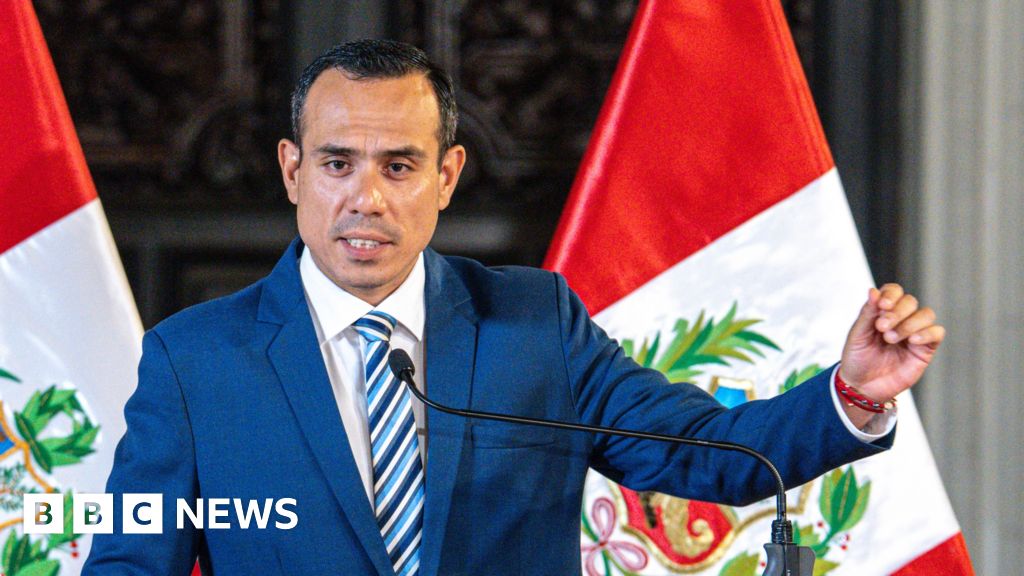
Peru’s Congress has voted overwhelmingly to impeach interim President José Jerí, a mere four months after he assumed office, following a scandal involving undisclosed meetings with Chinese businessmen. The dramatic ousting marks another significant shake-up in Peru’s notoriously volatile political landscape, adding to a pattern of presidential instability that has plagued the South American nation for years. Jerí’s impeachment, driven by allegations of failing to properly document crucial meetings with a businessman under government scrutiny, has plunged Peru into further uncertainty as it gears up for general elections in April.
The controversy, widely dubbed "Chifa-gate" – a nod to the Chinese restaurants where some of the meetings allegedly took place – erupted last month when security camera footage revealed Jerí meeting several times outside his official schedule with Zhihua Yang, a businessman whose companies were reportedly under investigation. Yang had been granted a state concession for an energy project, further raising concerns about potential conflicts of interest. The videos, first leaked to local media, showed Jerí engaging in these encounters, with one particularly striking image capturing the then-president wearing a hooded top during a late-night visit to one of Yang’s establishments.
The legal ramifications of these undisclosed meetings are rooted in Peruvian law, which mandates that presidents meticulously document all their official activities. Jerí’s failure to do so has been central to the impeachment proceedings. While Jerí had issued apologies for the meetings, he consistently denied any wrongdoing, attempting to frame the revelations as a politically motivated smear campaign orchestrated by his rivals. However, his explanations failed to sway a significant portion of the congressional body, leading to the decisive vote against him.
This impeachment makes Jerí the third consecutive Peruvian president to be removed from office through congressional action. He himself had only replaced former leader Dina Boluarte, who was impeached in October of the previous year. This rapid succession of presidential exits underscores the deep-seated political instability that has characterized Peru since 2016, with Jerí being the seventh president to hold the nation’s highest office in that short span. The constant flux in leadership has made it exceedingly difficult for any administration to implement long-term policies or address the nation’s pressing issues.
The impeachment vote itself was substantial, with 75 lawmakers voting in favor of Jerí’s removal, and only 24 opposing it. The gravity of the situation was amplified by the presence of another Chinese national at one of the clandestine meetings. This individual was reportedly under house arrest at the time, facing an investigation into alleged connections with an illegal timber network. The association with individuals under such scrutiny further fueled the allegations of impropriety and potential corruption.
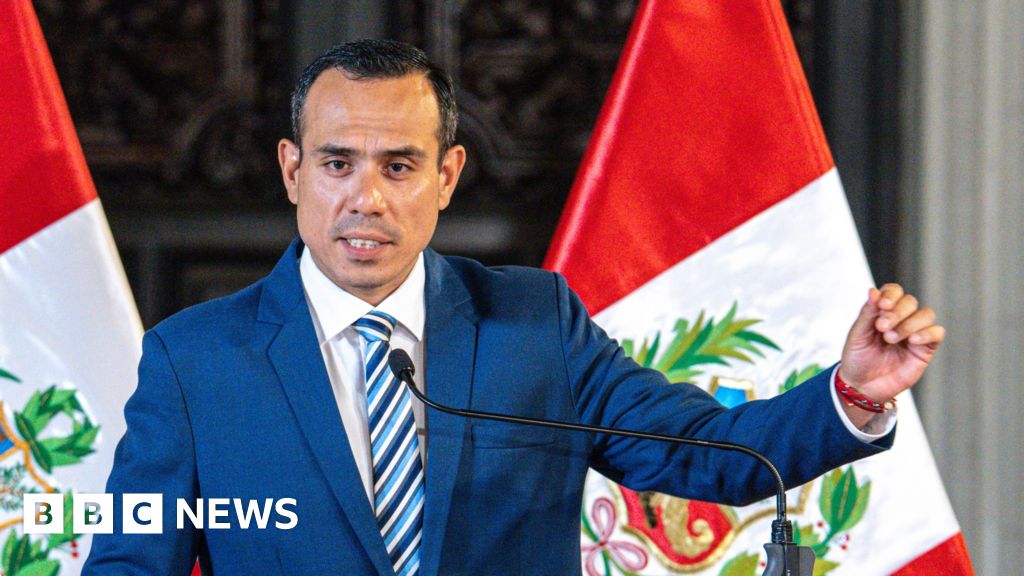
Lawmakers who championed the censure measures expressed their frustration and their desire for a leader who prioritizes the public interest and national security above all else. Ruth Luque, a prominent legislator involved in the impeachment process, articulated this sentiment, stating, according to Reuters, "We ask to end this agony so we can truly create the transition citizens are hoping for. Not a transition with hidden interests, influence-peddling, secret meetings and hooded figures. We don’t want that sort of transition." Her words reflect a broader sentiment among the Peruvian public, weary of the constant scandals and perceived lack of integrity within their political elite.
The pressure on Jerí to resign had been mounting significantly in the weeks leading up to the impeachment vote. He was not only facing congressional scrutiny but also a formal corruption investigation initiated by the Attorney General’s office. Compounding his woes, his approval ratings had plummeted, indicating a severe erosion of public trust. The impeachment has effectively brought his brief tenure to an abrupt and ignominious end, further exacerbating Peru’s ongoing political crisis.
The impending general election in April offers a potential, albeit uncertain, path towards greater stability. However, the current political climate suggests that the transition of power may not be smooth. The nation is still reeling from the aftermath of recent protests, organized by young Peruvians demanding decisive action against crime and corruption. These demonstrations, which occurred less than a week after Jerí assumed power, tragically resulted in one death and over 100 injuries, highlighting the deep social and political tensions simmering beneath the surface.
The "Chifa-gate" scandal, while seemingly focused on specific meetings, has tapped into a broader public frustration with perceived corruption and a lack of transparency in Peruvian politics. The image of a president engaging in secret meetings with businessmen under investigation, especially in such an informal manner, has been deeply damaging. It feeds into a narrative of a political class that is out of touch with the needs and expectations of ordinary citizens, and that prioritizes personal gain or influence over public service.
The consequences of this repeated political instability are far-reaching. It deters foreign investment, hinders economic development, and erodes the public’s faith in democratic institutions. For a country rich in natural resources and cultural heritage, Peru has consistently struggled to translate its potential into sustained progress due to its fractured political system. The impeachment of José Jerí is not an isolated incident but a symptom of a deeper, more systemic problem that Peru must confront if it is to achieve lasting stability and prosperity.
As Peru prepares to elect its next interim president, the focus will undoubtedly be on candidates who can demonstrate a commitment to integrity, transparency, and effective governance. The challenges ahead are immense, requiring a leader capable of uniting a deeply divided nation and navigating the complex web of social, economic, and political issues. The international community will be watching closely, hoping that this latest upheaval can, at long last, pave the way for a more stable and accountable political future for Peru. The question remains whether the upcoming general election will offer a genuine opportunity for renewal or simply mark the beginning of another cycle of political turmoil. The nation’s ability to move beyond the cycle of impeachments and scandals will be a crucial determinant of its future trajectory.

 Ramos Leo
 atisusanti
 Nakalama John

 Roy Suryo