Roy Suryo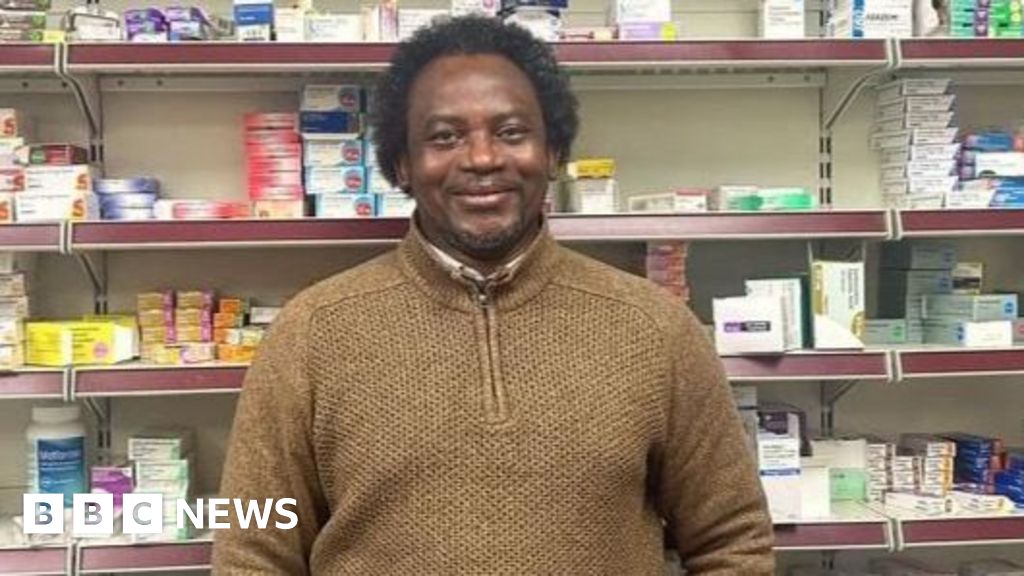
A pharmacist in Wales has revealed he has accumulated a staggering £145,000 in debt in his desperate efforts to keep his community pharmacy operational, expressing grave concerns about his ability to pay his staff in the coming months. Tunde Olawoye’s predicament is far from isolated; pharmacists across Wales are reporting that their operating costs have "gone through the roof," forcing them to sell essential items, such as aspirin, at a significant financial loss. This crisis has led approximately 60% of pharmacy owners in Wales to remortgage their homes or deplete their personal savings over the past year in a bid to maintain business continuity, according to alarming data from the National Pharmacy Association (NPA).
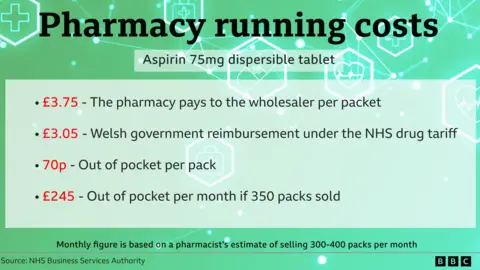
Despite these dire circumstances, the Welsh government maintains that it has made "significant investment in the sector in recent years," including enhanced funding for core services aimed at facilitating crucial reforms. However, for those on the front lines of community healthcare, these assurances offer little solace. Geoff Thomas, a pharmacist based in Newport with four decades of experience in the profession, has issued a stark warning, stating that the sector is "heading off a cliff" unless substantial and immediate changes are implemented. The financial strain is so acute that one pharmacist recounted purchasing aspirin for £3.75 per packet only to be reimbursed by the NHS at a mere £3.05, resulting in a 70p loss on every transaction.
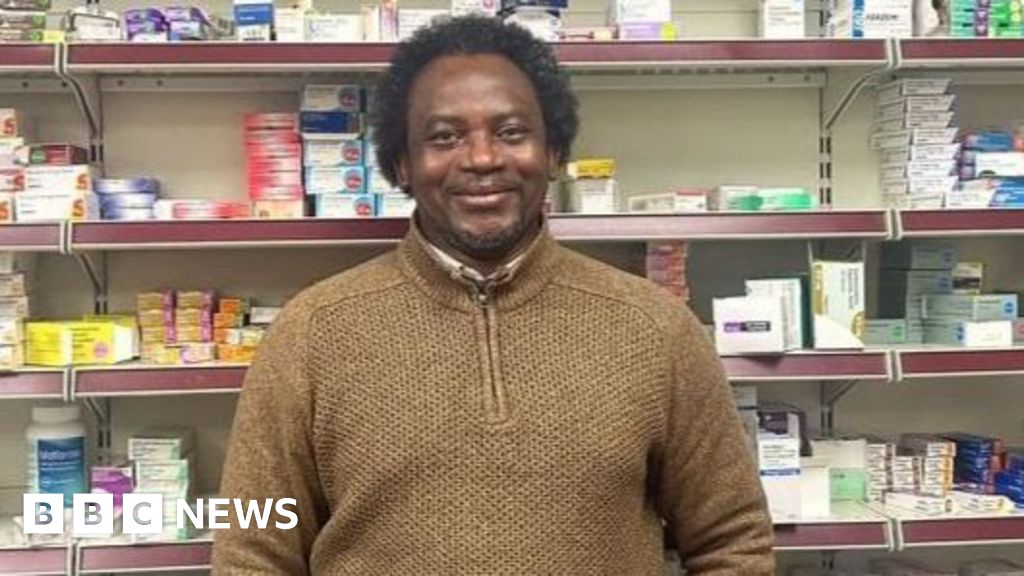
"It’s not sustainable at all," lamented Olawoye, 54, highlighting the immense pressure on pharmacy owners. "They need to invest more in the profession because we are the frontline of health in this country." His own debt spiralled to £145,000, necessitating the establishment of a repayment arrangement with his creditors. He even contemplated selling his pharmacy in New Quay, Ceredigion, but the grim reality was that the sale proceeds would fall far short of covering his outstanding bank loans. "These are the challenges that you deal with day in, day out," he added, a note of defiance creeping into his voice. "Now I have decided I’m not going to sell my business at a loss; I’m going to try everything to make it profitable again."

The core of the problem lies in the funding model for community pharmacies in Wales. An agreed sum is allocated by the Welsh government, intended to cover a range of expenses, including dispensing fees, professional services, clinical activities, and the general operational costs incurred by pharmacies. However, pharmacy owners argue that this funding has not kept pace with inflation and has remained stagnant in real terms for a decade. This financial stagnation mirrors broader issues affecting pharmacies across the UK, with England’s network shrinking to its smallest size in 20 years due to closures, and services in Northern Ireland also described as being "at breaking point" due to funding difficulties.
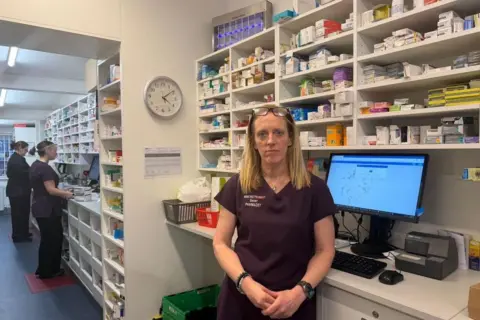
Gwawr Jones, a pharmacist from Barry in the Vale of Glamorgan, echoed the sentiment of soaring costs, attributing the increase to a surge in inflation and drug prices, while funding remains static. She faces the same deficit on aspirin sales as Olawoye, losing 70p on each box dispensed. "This means we lose 70p for every box we give out of this life-saving drug," she explained. While pharmacies can sometimes receive a "drug concession" at the end of the month, which can increase reimbursement costs, this is often not known until after significant quantities of medication have been dispensed. Jones reported that the funding increases implemented in November had "not even touched the sides" of the financial pressures. She described running her pharmacy in Rhoose as "impossible" in what she described as the "worst financial climate" she has witnessed in her 26 years of practice.
The mounting costs extend beyond drug prices. "You’ve also got increases in national living wage, national insurance, increases in energy costs and fuel costs to keep drivers on the road," Jones added, painting a grim picture of escalating overheads. While acknowledging that other industries are facing similar pressures, she highlighted the unique vulnerability of the pharmacy sector due to its heavy reliance on NHS income via the Welsh government, which limits the ability of owners to devise their own solutions. She estimates a substantial "£40m shortfall because contract payments haven’t kept up with pharmacy inflation," placing an "enormous burden" on pharmacies striving to remain open.
Geoff Thomas further elaborated on the precarious financial situation, noting the "increasing peril" within the sector. He likened the situation to Wales "heading off a cliff" unless urgent remedial action is taken. "We’re having to buy drugs at a higher cost than we will actually be reimbursed for from the drug tariff," he stated, leaving "little or no margin to pay your staff or to pay for deliveries." Compounding these challenges, pharmacies are experiencing an increase in patient traffic as GPs and surgeries increasingly refer patients to them to alleviate pressure on the wider health service. While this "great initiative" acknowledges the vital role of pharmacies, it translates into greater demand and a more staff-intensive operation without a corresponding increase in revenue. "We want to do the services and we want to look after our patients. But the current structure of how we’re reimbursed has not changed," Thomas lamented. He admitted to simply trying to "keep the show on the road" but stressed that this situation is "cannot go on." His personal financial commitment is substantial, having taken out a short-term loan of £70,000 in September just to navigate that month, resulting in his current debt to the bank being more than double the original purchase price of his pharmacy, which he has owned for over two decades.
The National Pharmacy Association (NPA) has released its latest statistics, based on a survey of its Welsh members, which indicate that four in 10 pharmacies in Wales were not profitable in 2025, leaving them "clinging on by their fingertips." David Thomas, a Welsh board member for the NPA, asserted that these findings should serve as "major alarm bells to the Welsh government." He added, "It is simply unsustainable and unfair to expect individual pharmacy owners to remortgage their house and dip into their pension pot to subsidize the cost of prescriptions and to keep their doors open for their patients."
In response, the Welsh government stated that it "recognises that community pharmacies are an essential part of primary care." A spokesperson highlighted that funding for community pharmacies has increased by over £40 million since reforms began in 2017, including "above inflation increases in recurrent funding in the last two years, a stability payment of £6m to meet specific cost pressures faced by the sector and over £1m in grant funding to make premises improvements to more than 100 pharmacies in all parts of Wales." The government also clarified that the reimbursement rates for dispensed medicines are determined in consultation with sector representatives, using data on wholesale prices. "Pharmacies typically receive higher NHS reimbursement than they pay suppliers, allowing them to retain a profit margin," the spokesperson added. "While some medicines may be reimbursed below cost on occasions, this is offset by the profits pharmacies make on most of the medicines they dispense." Despite these assurances, the experiences of pharmacists like Olawoye and Jones paint a starkly different picture of the financial realities facing the sector.


 Ramos Leo
 atisusanti
 Nakalama John
 George Anjay