Nana Banana
Rhun ap Iorwerth, leader of Plaid Cymru, is set to deliver this key policy pledge during a pivotal speech in Bethesda, Gwynedd. His address will underscore the party’s conviction that the Welsh public "can and must benefit fully" from the widespread development of renewable energy infrastructure across the country. The proposed policy outlines a requirement for a minimum communities-ownership stake, ranging from 15% to 25%, for all energy schemes exceeding 10 megawatts (MW) in capacity. This initiative represents a significant shift in how Wales approaches renewable energy development, prioritising local empowerment alongside environmental sustainability.
The timing of this announcement is particularly pertinent, as recent opinion polls suggest Plaid Cymru is in a tight race, vying for first place with Nigel Farage’s Reform UK ahead of the crucial Senedd election on 7 May. With the political landscape in Wales potentially on the cusp of significant change, Plaid’s energy policy could resonate strongly with voters seeking tangible benefits from the green transition.
Ap Iorwerth’s speech, hosted by the energy non-profit organisation Community Energy Wales, will further detail Plaid Cymru’s vision for a national energy body dedicated to Wales. This proposed entity would be tasked with the oversight and strategic development of large-scale renewable projects, playing a crucial role in ensuring that the community ownership mandate is not only met but also effectively implemented. The establishment of such a body would signify a more centralised and proactive approach to energy planning, aiming to maximise the socio-economic returns for Wales.
Currently, the approval process for energy projects in Wales is fragmented based on size. Small to medium-sized energy projects, specifically those between 10MW and 350MW, fall under the jurisdiction of the Welsh government for planning permission. Larger schemes, however, are determined by the UK government, while smaller, localised projects are handled at the local authority level. Plaid Cymru’s proposed policy would primarily impact projects requiring Welsh government approval, but the party is expected to advocate for similar community benefit structures for UK-determined schemes impacting Welsh land.
The politician is expected to articulate Plaid Cymru’s unwavering support for renewable energy, stating, "Plaid Cymru supports renewable energy unequivocally, just as we believe that the wellbeing of communities has to be at the heart of the Welsh government’s energy strategy." This statement highlights the dual objectives of the policy: accelerating the transition to green energy while simultaneously ensuring that this transition genuinely benefits the communities it impacts.
Expanding on this philosophy, Ap Iorwerth is anticipated to declare: "Done right, the green energy transition comes with major social and economic opportunities. I am clear that Welsh communities can and must benefit fully from Welsh renewables, and that includes a fair share of the profits." He will emphasise that beyond environmental imperatives, there lies a profound opportunity for economic revitalisation and social upliftment. "Ultimately, we think that increasing communities’ share in the ownership of Welsh renewables is the best way of securing a higher level of reinvestment in those communities in the longer term."
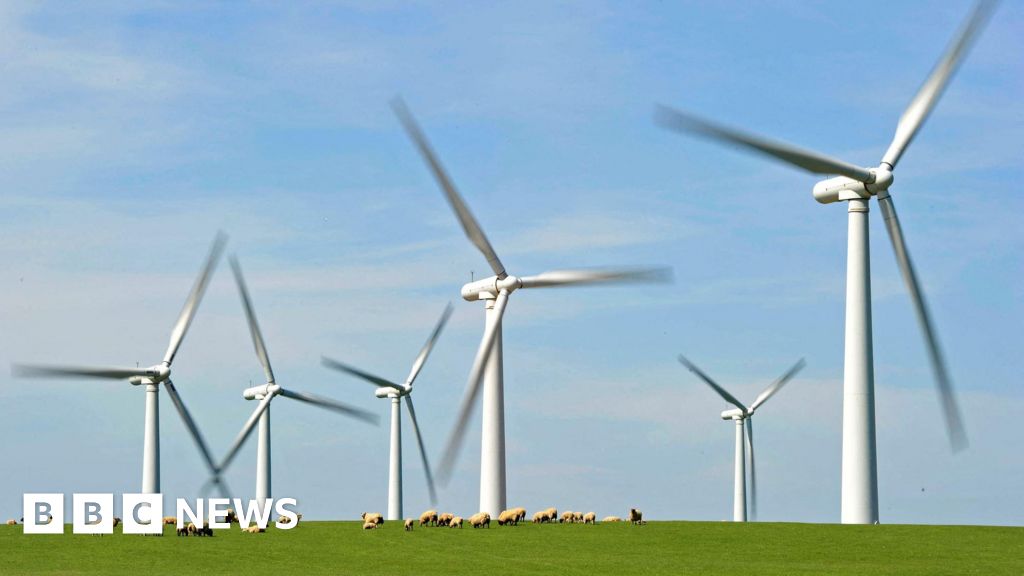
The rationale behind Plaid’s proposal extends beyond mere financial redistribution. It seeks to address the often-cited "Not In My Backyard" (NIMBY) syndrome, where local communities, while generally supportive of renewable energy, often oppose projects in their immediate vicinity due to concerns about visual impact, noise, or environmental disruption. By offering a direct financial stake and a share of the profits, Plaid aims to transform potential opposition into enthusiastic local support, fostering a sense of ownership and pride in these developments. Such a model has been successfully implemented in various forms in other European countries, demonstrating its potential to smooth the path for renewable energy deployment.
The profits generated from these community stakes could be channelled through various mechanisms, though the specific details of "how communities stakes will work, or which bodies would benefit" were not fully elaborated in the initial announcement. Potential avenues could include the establishment of community trusts, direct partnerships with local authorities, or even co-operative models where local residents could directly invest and receive dividends. These funds could then be reinvested into a wide array of local priorities, such as upgrading local schools, improving healthcare facilities, enhancing public transport infrastructure, funding energy efficiency programmes for homes, or supporting local businesses and job creation initiatives. This would create a virtuous cycle where local resources power local development, making the energy transition a genuine engine for regional growth.
Moreover, the policy could significantly contribute to Wales’s energy independence and resilience. By developing more locally-owned and controlled energy assets, Wales could reduce its reliance on external energy markets, leading to greater price stability and security of supply. The national energy body proposed by Plaid Cymru would be instrumental in coordinating these efforts, identifying strategic locations for development, facilitating partnerships between developers and communities, and ensuring transparency in profit-sharing mechanisms. Its responsibilities could also extend to developing local supply chains for renewable energy components, further boosting local economies and creating skilled jobs within Wales.
However, the policy has not been met without critique. A spokesperson for Reform UK Wales swiftly responded to Plaid Cymru’s announcement, stating: "Plaid’s net zero dogma would lead to higher bills and tighter household budgets across Wales, and where they stand on nuclear, we still don’t know." This criticism highlights a fundamental ideological divide, with Reform UK often prioritising lower energy costs and questioning the economic implications of rapid decarbonisation, while also pointing to perceived ambiguities in Plaid’s broader energy strategy, particularly concerning nuclear power. Plaid Cymru, in response, would likely argue that while there might be initial investment costs, the long-term benefits of renewable energy, including energy independence and direct community reinvestment, would ultimately lead to more stable and affordable energy for Welsh households, free from volatile fossil fuel markets.
Beyond the immediate financial benefits, Plaid’s vision for the green energy transition encompasses broader social and economic opportunities. This includes the development of a skilled workforce capable of designing, installing, and maintaining renewable energy technologies, creating new career paths for Welsh citizens. It also involves fostering innovation in sustainable technologies and attracting green investment into Wales, positioning the nation as a leader in the renewable energy sector. By linking energy generation directly to community wellbeing, Plaid Cymru aims to create a model where environmental progress and economic fairness are inextricably intertwined.
In essence, Plaid Cymru’s promise represents a commitment to fundamentally reframe the relationship between energy production and local communities in Wales. By making community ownership a mandatory component of future renewable energy schemes, the party seeks to ensure that the journey towards a greener future is also a journey towards greater local empowerment, shared prosperity, and a more equitable distribution of wealth generated from Wales’s abundant natural resources. This ambitious policy, if implemented, could transform not only Wales’s energy landscape but also the economic fabric of its communities for generations to come.



 George Anjay
 Ramos Leo
 Nakalama John

 atisusanti