Nana Banana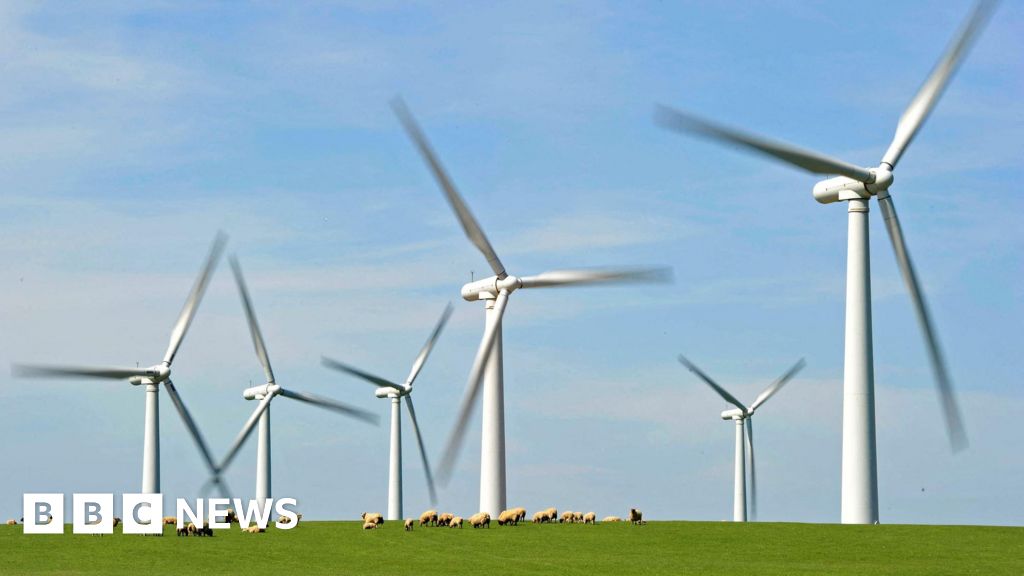
Renewable energy projects in Wales will be mandated to offer local communities a significant share of their profits if Plaid Cymru forms the next Welsh government, the party has announced. This transformative policy aims to ensure that the economic benefits of the green energy transition are directly reinvested into the areas hosting these vital infrastructure developments, moving beyond simple land lease payments or goodwill gestures.
Rhun ap Iorwerth, leader of Plaid Cymru, delivered this pivotal commitment in a speech in Bethesda, Gwynedd, a region synonymous with both natural beauty and the potential for renewable energy generation. He unequivocally stated that the Welsh public "can and must benefit fully" from the proliferation of wind and solar schemes across the nation. The party’s blueprint outlines a requirement for a minimum community-ownership stake ranging from 15% to 25% for all energy projects exceeding 10 megawatts (MW) in capacity.
This announcement comes at a crucial juncture for Welsh politics, with opinion polls suggesting a tight race ahead of the Senedd election scheduled for May 7th. Plaid Cymru finds itself vying for a leading position alongside Nigel Farage’s Reform UK, making policy proposals with direct economic and social implications for communities particularly resonant with voters. The future direction of Wales’s energy strategy, and crucially, who benefits from it, is shaping up to be a central electoral battleground.
Ap Iorwerth, speaking at an event hosted by Community Energy Wales, an energy non-profit organisation advocating for local ownership and control, further detailed his party’s vision. A Plaid-led government, he explained, would establish a national energy body for Wales. This entity would be tasked with the strategic oversight and direct responsibility for developing and managing large-scale energy projects, ensuring they align with national goals and community benefit principles. This national body would also be instrumental in facilitating the mechanisms for community ownership, potentially through a mixture of direct investment, local trusts, or cooperative structures.
The current regulatory landscape for energy projects in Wales is segmented. Small to medium-sized energy projects, those between 10MW and 350MW, fall under the jurisdiction of the Welsh government, requiring its explicit permission to proceed. Larger schemes, often those exceeding 350MW or of national significance, are determined by the UK government in Westminster. Smaller projects, typically below 10MW, are handled at the local authority level. Plaid Cymru’s proposal would embed the community ownership mandate within the Welsh government’s planning approval process for projects within its remit, signalling a significant shift in how developers approach projects in Wales.
The Plaid leader passionately articulated his party’s stance, affirming their "unequivocal" support for renewable energy. However, he stressed that this support is intrinsically linked to the wellbeing of communities. "Done right," Ap Iorwerth emphasised, "the green energy transition comes with major social and economic opportunities. I am clear that Welsh communities can and must benefit fully from Welsh renewables, and that includes a fair share of the profits." He elaborated on the long-term vision: "Ultimately, we think that increasing communities’ share in the ownership of Welsh renewables is the best way of securing a higher level of reinvestment in those communities in the longer term."
While the initial announcement from Plaid Cymru did not fully detail the precise mechanisms for how these community stakes would function, or which specific bodies would benefit, the underlying principle is clear: to empower local populations and ensure that the wealth generated by Wales’s natural resources remains within Wales. Potential models could include community benefit funds managed by local councils or specially formed trusts, direct equity stakes allowing local residents or cooperatives to become shareholders, or even hybrid models combining these approaches. The aim would be to provide sustainable revenue streams for local services, infrastructure improvements, educational initiatives, or even direct energy cost reductions for residents.
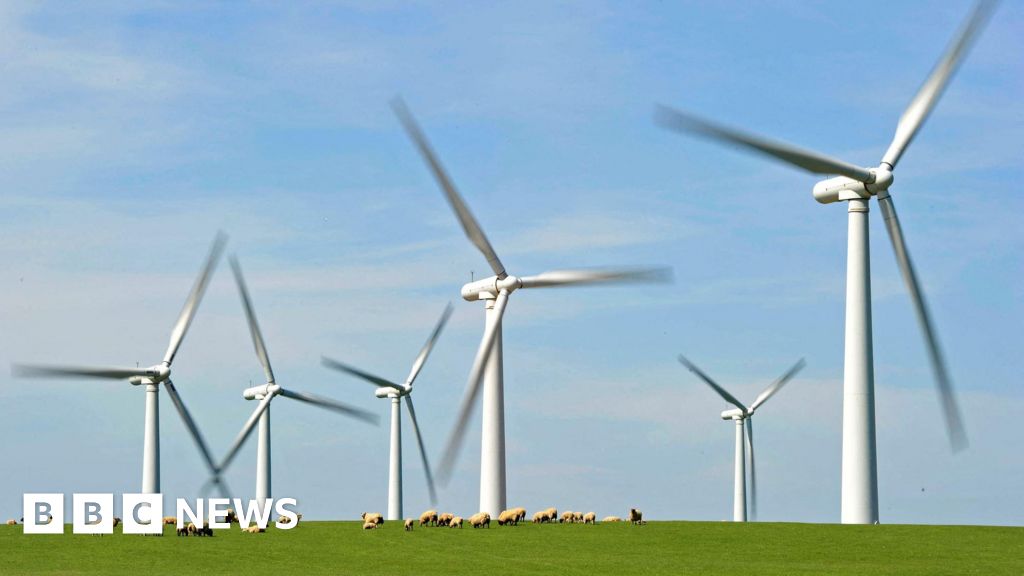
The concept of community energy ownership is not new globally. Countries like Germany and Denmark have successfully integrated community ownership into their renewable energy strategies, leading to higher public acceptance of projects and significant local economic benefits. Scotland, within the UK, has also explored similar models, with some projects offering local communities a share of profits or direct ownership opportunities. Plaid Cymru’s proposal seeks to formalise and scale this approach across Wales, aiming to create a robust framework that could see billions of pounds generated from Welsh wind, solar, and potentially tidal energy projects recirculating within the Welsh economy.
However, Plaid Cymru’s ambitious proposal has drawn swift criticism from rival parties, each articulating their concerns from distinct ideological standpoints.
A spokesperson for Reform UK Wales voiced strong opposition, stating: "Plaid’s net zero dogma would lead to higher bills and tighter household budgets across Wales, and where they stand on nuclear, we still don’t know." Reform UK typically advocates for a more cautious approach to the green transition, often highlighting the immediate economic costs of renewable deployment and expressing skepticism about the pace of decarbonisation. Their focus tends to be on energy security and affordability, often promoting a diversified energy mix that includes continued reliance on fossil fuels and a stronger emphasis on nuclear power. Their critique suggests that Plaid’s community ownership model, while seemingly beneficial, might still contribute to an overall increase in energy costs for consumers due to perceived inefficiencies or increased administrative burdens associated with such schemes. The challenge regarding Plaid’s stance on nuclear energy points to a broader debate about the foundational energy sources for Wales’s future.
Welsh Labour also weighed in, with a spokesperson asserting: "Plaid claim their support for renewables is ‘unequivocal’, but this is a party that has repeatedly opposed the green energy infrastructure Wales needs." This criticism suggests a perceived inconsistency in Plaid Cymru’s past actions, implying that while they advocate for community benefits, they may have hindered specific renewable projects. Labour’s counter-argument often focuses on the need for practical, large-scale deployment of renewables to meet climate targets, sometimes prioritising speed and efficiency over specific ownership models. Labour’s own energy policy typically emphasizes public investment and collaboration with private developers to achieve decarbonisation goals, while also aiming for fair community benefits, though perhaps through different mechanisms than Plaid’s mandatory ownership stake. This highlights a potential tension between local control and the broader strategic imperative of rapid national energy transition.
The Welsh Conservatives also expressed strong reservations, stating that Plaid "simply cannot be trusted on energy – their Net Zero plans mean higher bills for families and more costs for motorists who are already being squeezed." This critique aligns with Reform UK’s focus on cost-of-living concerns, framing Plaid’s green agenda as an additional financial burden on households and businesses. The Conservatives often advocate for a market-led approach to energy development, alongside support for nuclear power and potentially hydrogen technologies, aiming to balance environmental goals with economic competitiveness. Their concern about "costs for motorists" likely refers to policies that might discourage fossil fuel consumption or increase fuel prices, reflecting a broader concern about the impact of climate policies on everyday expenses.
Plaid Cymru’s proposal, therefore, stands as a significant policy differentiator in the upcoming Senedd election. It directly addresses the long-standing grievance in many rural Welsh communities that they bear the visual and environmental impact of energy infrastructure, while the economic rewards primarily flow to distant corporations. By mandating a substantial community ownership stake, Plaid aims to transform this dynamic, turning local communities from passive hosts into active beneficiaries and stakeholders in the energy revolution.
The successful implementation of such a policy would require careful planning, robust legal frameworks, and clear guidelines for how community stakes are managed and how profits are distributed equitably. It would also necessitate close collaboration between the national energy body, local authorities, community groups, and private developers. While challenges certainly exist, Plaid Cymru argues that the long-term benefits of increased local wealth, enhanced public acceptance of renewable projects, and a more resilient, locally-controlled energy system far outweigh the complexities of implementation. As the Senedd election approaches, this bold promise is set to fuel intense debate about Wales’s energy future and the extent to which its citizens will truly own and benefit from the green transition.




 atisusanti
 Nakalama John
 George Anjay