Nana Banana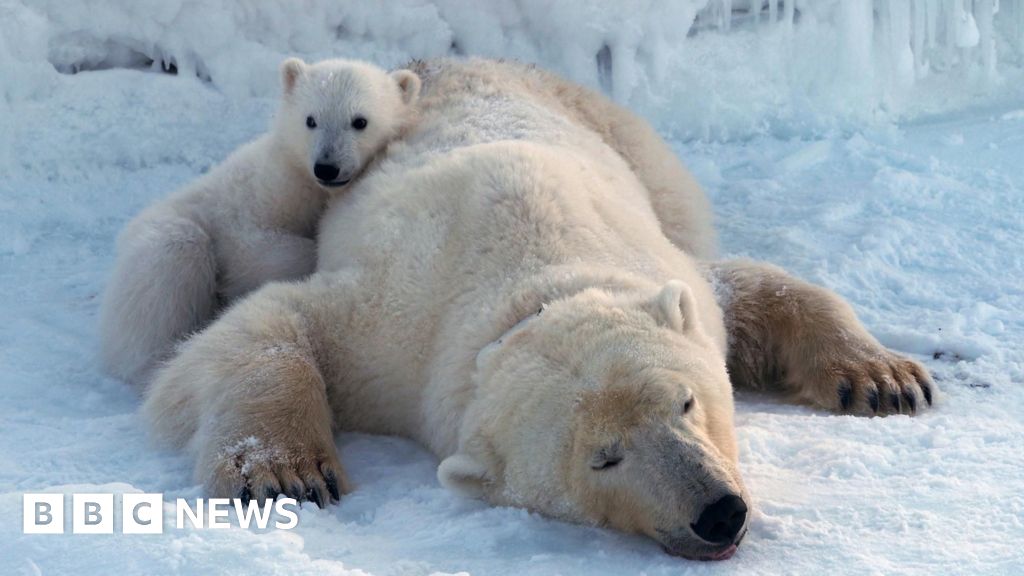
For decades, the prevailing scientific consensus has been that diminishing sea ice poses an existential threat to polar bears, as these apex predators critically depend on frozen marine platforms for their primary hunting strategy. Polar bears typically use sea ice as a mobile base from which to ambush seals, particularly ringed and bearded seals, which are their main source of blubber-rich sustenance. These high-fat meals are essential for building the bears’ crucial fat reserves, which provide the energy needed to survive the lean periods, endure the harsh Arctic winters, and enable lactating mothers to produce nutrient-dense milk vital for the survival and growth of their cubs. Therefore, scientists had anticipated a decline in the health and body condition of Svalbard’s polar bears as their traditional hunting grounds fragmented and receded.
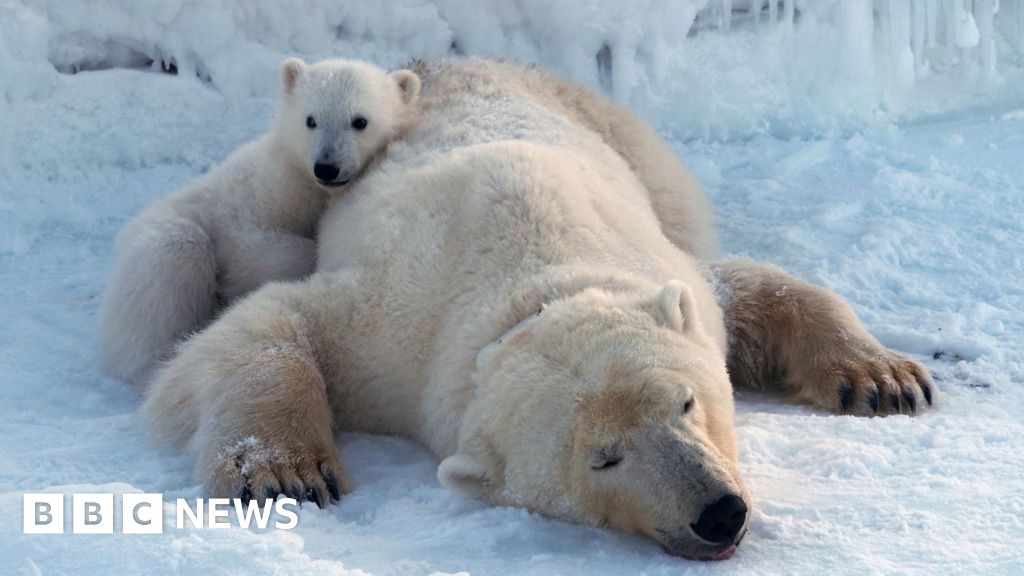
The comprehensive research, spearheaded by Dr. Jon Aars from the Norwegian Polar Institute, involved meticulous data collection over nearly three decades. Between 1992 and 2019, researchers captured, weighed, measured, and assessed the body condition of an impressive 770 adult polar bears across the Svalbard region. The findings were statistically significant: the bears exhibited a noticeable increase in overall body fat, indicating improved health and nutritional status over the study period. This robust dataset provided compelling evidence against the initial hypothesis of declining health.
The key to understanding this unexpected resilience lies in the bears’ remarkable adaptability to a rapidly changing environment. Researchers hypothesize that Svalbard’s polar bears have compensated for the loss of sea ice and the reduced availability of their traditional seal prey by diversifying their diet and increasingly relying on land-based and coastal food sources. Among these alternative prey items are reindeer, which are abundant in Svalbard, and walruses, whose populations have seen a significant resurgence in recent decades.
The shift towards these alternative food sources is a complex adaptation. While polar bears are primarily marine predators, they are opportunistic feeders. Hunting reindeer on land presents different challenges and energy expenditures compared to hunting seals on ice. Bears may stalk reindeer or scavenge carcasses, but these are generally less energy-efficient than ambushing seals at breathing holes or haul-outs. However, the sheer availability of reindeer in some areas of Svalbard could offer a consistent, albeit less fatty, food supply.
More critically, the recovery of the walrus population has provided a significant boost. Walruses were hunted to near extinction in Norwegian waters by the mid-20th century, primarily for their ivory tusks and blubber. However, strict official protections introduced in Norway in the 1950s led to a remarkable recovery of their numbers. These large marine mammals, rich in blubber, present an attractive, high-calorie meal for polar bears. While adult walruses are formidable adversaries, polar bears are known to target young, weak, sick, or isolated individuals, especially those hauled out on land or small ice floes, making them a viable, albeit dangerous, alternative prey. Dr. Aars noted, "There are a lot more walruses around [for them to hunt] these days." This increased availability of a fatty prey item has undoubtedly contributed to the improved body condition of the bears.
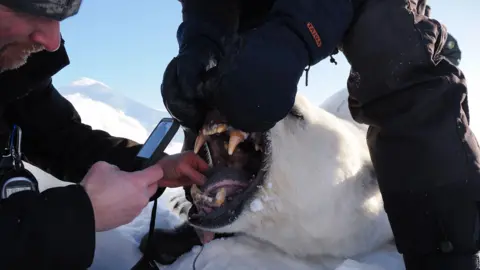
Furthermore, Dr. Aars proposed another intriguing possibility related to seal hunting efficiency. He suggested that as sea ice retreats and becomes more fragmented, seals might be forced to congregate in smaller, more confined areas of remaining ice. This concentration could inadvertently make them easier targets for polar bears, effectively creating "collective pickings" that allow bears to hunt more efficiently in specific, reduced hunting grounds. This scenario would mean that despite less total ice, the remaining ice could temporarily become a more productive hunting zone.
The period of this study, from 1992 to 2019, coincided with a dramatic acceleration in Arctic warming. Global temperature rise has led to a significant increase in the number of ice-free days in the Svalbard region, specifically by almost 100 days over the study period, at an alarming rate of approximately four additional ice-free days each year. This stark environmental transformation underscores the surprising nature of the bears’ positive health trend. Dr. Aars himself expressed his astonishment, stating, "The fatter a bear is the better it is. And I would have expected to see a decline in body condition when the loss of sea ice has been so profound."
Beyond the ecological adaptations, historical factors also play a role in this localized success story. The charity Polar Bears International (PBI) highlights that Svalbard’s polar bears were among the most heavily hunted sub-populations in the world until international protections were widely introduced in the 1970s. Experts suggest that the current findings could, in part, be a reflection of this population recovering from decades of intense hunting pressure. This rebound, combined with the successful conservation efforts that led to the resurgence of walruses and a healthy reindeer population, appears to have created a unique, temporary ecological window where the bears have thrived despite significant environmental challenges.
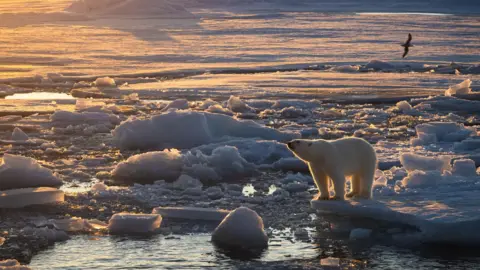
However, despite this unexpected good news for the Svalbard polar bears, researchers and conservationists alike emphasize that this situation is likely a localized and temporary phenomenon. The long-term prognosis for polar bears globally, including those in Svalbard, remains dire if sea ice continues its unchecked decline. As the Arctic continues to warm and sea ice dwindles further, bears will eventually be forced to travel even greater distances to access diminishing hunting grounds, expending precious energy reserves and ultimately depleting the fat stores they have accumulated.
Dr. John Whiteman, chief research scientist at PBI, acknowledged the "positive in the short term" nature of the Svalbard findings but quickly added a crucial caveat: "But body condition is only one piece of the puzzle. Other recent research on these bears found that more ice-free days reduced survival in cubs and in subadult and old females." This underscores that while individual bears might be fatter, the overall population dynamics, particularly the survival rates of younger and older, more vulnerable individuals, are still negatively impacted by prolonged ice-free periods. The ability to find food is just one aspect of survival; the increased energetic demands of traveling longer distances over open water or land, reduced access to denning sites, and increased exposure to human interaction can all contribute to population declines even if some individuals appear healthier.
Indeed, the situation in Svalbard stands in stark contrast to many other polar bear populations across the Arctic. There are 20 known sub-populations of polar bears globally, and the impact of climate change varies significantly by region. For instance, in Canada’s Western Hudson Bay, home to one of the most southerly and extensively studied polar bear populations, a direct and well-documented decline in bear numbers has been unequivocally linked to warming temperatures and the earlier breakup of sea ice. These bears have less time to hunt and build fat reserves, leading to poorer body condition, lower reproductive rates, and increased mortality.
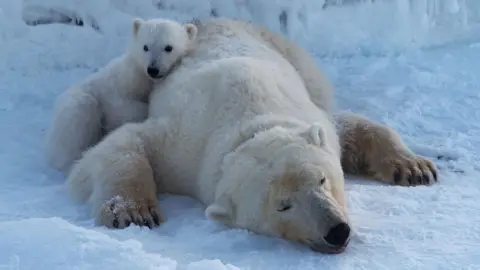
Dr. Whiteman reiterated the overarching message that the scientific community holds: "Ice loss ultimately means bear declines, but [this study shows] that the short-term picture can be very region-specific." He stressed that the Svalbard case, while offering a glimmer of hope through adaptation, does not negate the fundamental truth about the species’ future. "In the long term," he concluded to BBC News, "if ice loss continues unchecked, we know the bears will eventually disappear." The Svalbard bears’ current health, therefore, serves as a fascinating case study in ecological resilience and adaptive capacity, but it also stands as a stark reminder of the urgent need for global climate action to preserve the critical sea ice habitat upon which all polar bears ultimately depend for their long-term survival.



 Ramos Leo
 Nakalama John
 George Anjay