Roy Suryo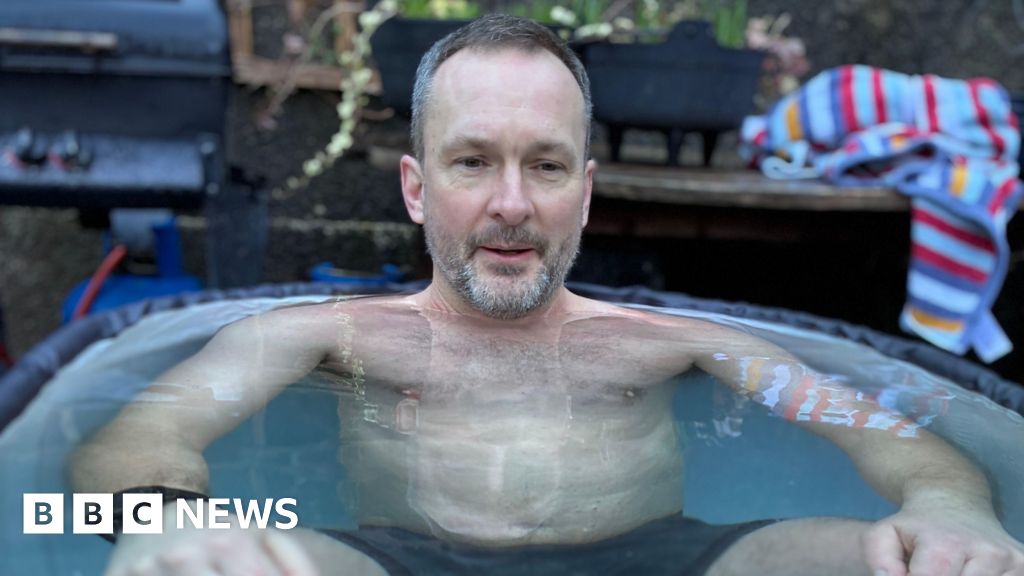
Like a screwdriver in my face – life with ‘the world’s most painful known medical condition’
Gerwyn Tumelty, a 52-year-old from Pontarddulais, Swansea, has bravely shared his harrowing experience living with trigeminal neuralgia (TN), a condition so severe it has been described as the most excruciating pain known to medicine. For two years, from 2017, Gerwyn endured relentless agony, likening the sensation to "someone putting a screwdriver into the side of my face." The pain was so debilitating that it frequently caused him to leave mid-meal, his three children growing accustomed to their father being struck by sudden, unbearable torment.
Trigeminal neuralgia is a chronic pain condition that affects the trigeminal nerve, the largest cranial nerve that transmits facial sensations to the brain. It is typically caused by a blood vessel compressing the nerve, leading to sporadic, intense facial pain. This compression can be triggered by the most innocuous actions, such as a gentle touch to the face, washing, eating, brushing teeth, or even a slight breeze. For Gerwyn, the onset of an attack was unpredictable and terrifying, leaving him contemplating the unthinkable. "I’d have thoughts of not being around. Not being here," he admitted, the dark cloud of despair almost overwhelming him. What ultimately pulled him back from the brink was the profound love for his family and the unimaginable impact his absence would have on them. However, the absence of any perceived end to his suffering plunged him into a desperate period of his life.
The diagnostic journey for TN is often a protracted and frustrating one. Aneeta Prem, another sufferer featured in the report, experienced a seven-year ordeal before receiving her diagnosis. Despite describing the pain as "lightning going through my face," she was repeatedly told by medical professionals that there was nothing physically wrong with her. This dismissiveness, coupled with the intensity of her symptoms, led her to almost lose every tooth in her head due to misdiagnosis as dental pain. Aneeta now serves as the chief executive of the Trigeminal Neuralgia Association, a testament to her resilience and commitment to helping others navigate this devastating condition.
The physical manifestation of trigeminal neuralgia can be extreme. Attacks can last from a few seconds to two minutes, and in severe cases, they can occur hundreds of times a day. This constant barrage of pain can profoundly impact a person’s ability to function, leading to social isolation, anxiety, and depression. The emotional toll is immense, with many sufferers experiencing a significant decline in their mental health. Aneeta revealed a staggering statistic: "Very sadly we see many people that are talking about taking their own life – 33% of people have thought about it, but over 80% have never sought any help." She attributes this to a sense of shame surrounding the pain and its debilitating effects, leading to a profound feeling of isolation.
For Gerwyn, the turning point came in 2019 when he underwent neurosurgery. This complex procedure, carried out under general anaesthetic, involves opening the skull to relieve the pressure on the affected nerve. While effective for many, it carries inherent risks, including facial numbness, hearing loss, stroke, and in rare instances, death. However, for Gerwyn, the surgery was a success, providing significant relief from the physical pain. Yet, the psychological scars remained. In 2022, the dark thoughts resurfaced, and he initially struggled to confide in anyone. "I felt really low and lonely," he confessed. It was a chance conversation with former Navy colleagues that prompted him to open up, a decision he credits with transforming his life.
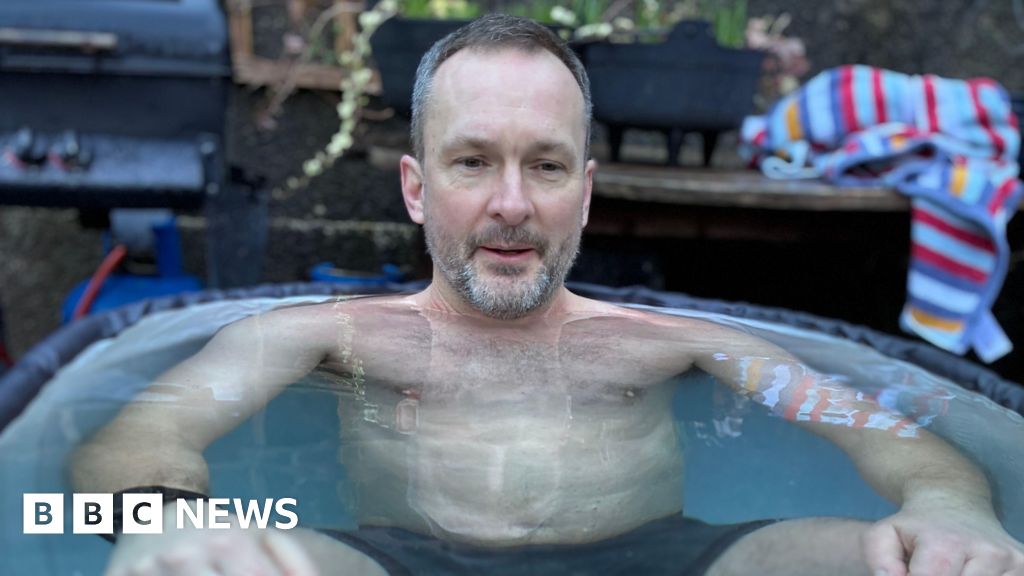
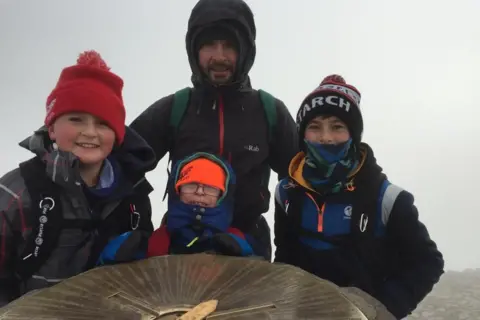
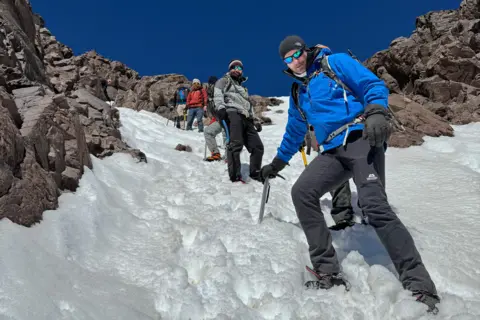
Following his surgery and subsequent mental health recovery, Gerwyn has embraced a lifestyle focused on well-being, exercise, and the great outdoors. He has completed the demanding London Marathon and undertaken challenging hikes in locations as diverse as Morocco. However, a significant daily practice that helps him cope and prepare for life’s adversities is embracing "something difficult" each morning, most notably, ice baths in his garden. This daily ritual, requiring immense routine and self-discipline, leaves him feeling ready to "face the day and to face life."
Aneeta’s experience with surgery was not as successful. She lives with Bilateral TN, a rare and particularly challenging form of the disease where pain can manifest on both sides of the face, sometimes simultaneously. Despite the same surgical intervention, the pain persisted. Her prolonged diagnostic journey highlights a critical need for greater awareness and understanding of TN within the medical community, particularly at GP practices and dental surgeries. Aneeta praises Wales for its multi-disciplinary team approach, which she believes is effective in diagnosing TN and fast-tracking patients to appropriate care.
The Trigeminal Neuralgia Association plays a vital role in providing support and raising awareness for those affected by this condition. They offer meetings in Wales, both in person and virtually, providing a platform for sufferers to connect, share experiences, and find solace. The association emphasizes the profound impact TN can have on an individual’s life, leading to isolation, loneliness, and an inability to engage in everyday activities due to the overwhelming pain. The mental health consequences are severe, with a significant percentage of sufferers experiencing suicidal ideation.
The journey with trigeminal neuralgia is a testament to the human spirit’s capacity for resilience in the face of unimaginable pain and adversity. Gerwyn’s story, from the depths of despair to embracing a life of purpose and discipline, offers a beacon of hope. Aneeta’s advocacy and the work of the Trigeminal Neuralgia Association underscore the urgent need for continued awareness, improved diagnostic pathways, and comprehensive support systems for those living with the "world’s most painful condition."
The Trigeminal Neuralgia Association holds meetings in Wales, either in person or virtually. You can contact [email protected] for more details.
If you have been affected by any issues in this story, you can contact the BBC Action line.


 Ramos Leo
 atisusanti
 Nakalama John
 George Anjay