
 Roy Suryo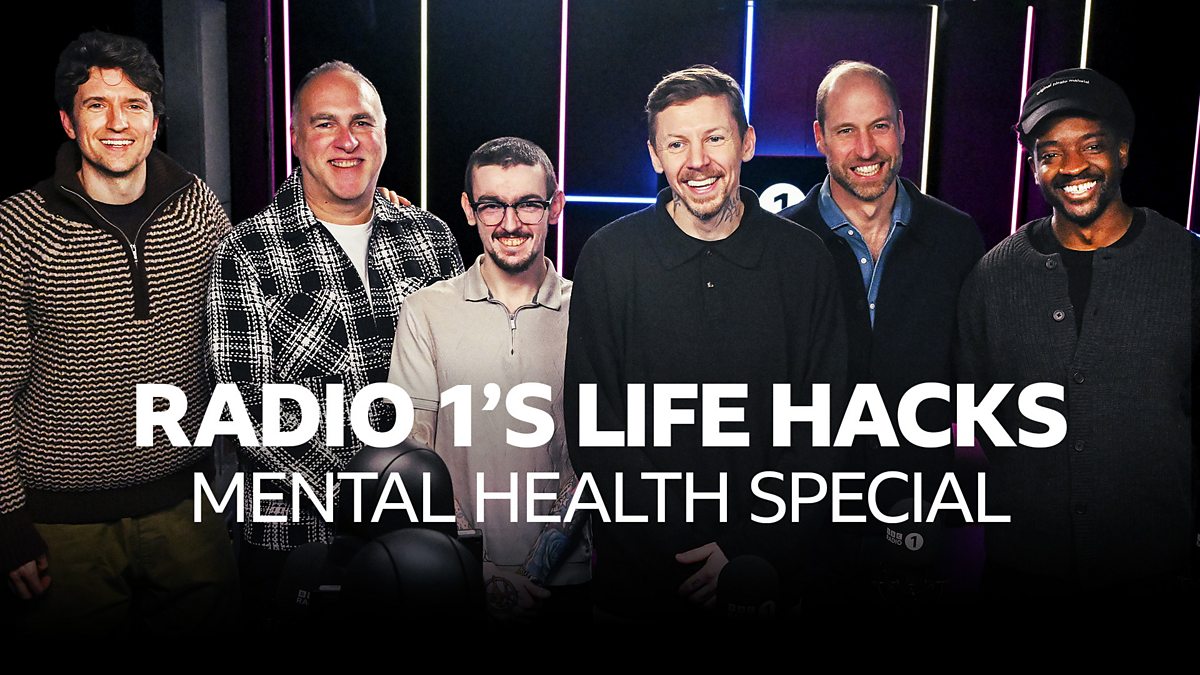
BBC Radio 1 is breaking down barriers and fostering vital conversations with its "Life Hacks: Mental Health Special," an in-depth exploration of male mental health and the pervasive issue of suicide. Hosted by the ever-engaging Greg James, this significant broadcast brings together a diverse panel of guests, united by their personal experiences and commitment to destigmatizing mental health challenges among men. The program, flagged as containing adult themes, bravely delves into sensitive territory, offering a platform for honest, raw, and ultimately hopeful discussions.
The "Life Hacks: Mental Health Special" is more than just a radio show; it’s a crucial intervention designed to equip listeners, particularly young men, with the knowledge, tools, and courage to address their mental wellbeing. Greg James, known for his relatable and empathetic interviewing style, guides the conversation through the complex landscape of male mental health, acknowledging the societal pressures and ingrained stigmas that often prevent men from seeking help. The panel comprises individuals who have navigated the depths of mental health struggles, including depression, anxiety, and suicidal ideation, and have emerged to share their stories with remarkable resilience. Their candid accounts serve as powerful testaments to the fact that vulnerability is not weakness, and that open dialogue is the first step towards healing.
One of the core objectives of this special broadcast is to challenge the traditional masculine stoicism that has historically discouraged men from expressing emotions or admitting to psychological distress. The program directly confronts the misconception that seeking mental health support is a sign of failure, instead reframing it as an act of profound strength and self-preservation. By featuring guests who have openly discussed their battles, Radio 1 is actively working to normalize conversations around mental health, making it more acceptable for men to talk about their feelings, to reach out to friends and family, and to seek professional assistance when needed. The inclusion of the "Watchlist" feature on BBC iPlayer further emphasizes the importance of this content, allowing listeners to revisit these vital discussions and share them with others.
The sensitive nature of the discussions, particularly concerning suicide, is handled with the utmost care and responsibility. The program aims not only to raise awareness but also to provide tangible resources and support networks for those who may be struggling. Listeners are encouraged to engage with the content, to reflect on their own experiences and those of the men in their lives, and to be more attuned to the signs of distress. The presence of the Audio Described and Sign Language options, even if currently unavailable for this specific episode, highlights BBC’s ongoing commitment to accessibility across its platforms, ensuring that such important messages can reach the widest possible audience. The explicit "Contains adult themes" warning serves as a responsible notification, preparing viewers for the potentially challenging but ultimately rewarding nature of the content.
"Radio 1’s Life Hacks: Mental Health Special" is a timely and essential initiative in a world where mental health awareness is more critical than ever. The program’s impact is amplified by its broadcast on a platform with a significant reach among young people, a demographic often at the forefront of mental health challenges. By demystifying mental illness and offering relatable narratives, the special aims to foster a culture of support and understanding, where men feel empowered to prioritize their mental wellbeing without fear of judgment. The panel’s collective wisdom and lived experiences create a safe space for listeners to confront their own anxieties and to recognize that they are not alone in their struggles.
The discussions often touch upon the societal factors that contribute to male mental health issues, including the pressures of work, relationships, and personal expectations. The program explores how these external pressures can intersect with internal emotional states, leading to a build-up of stress and, in some cases, to a crisis point. The guests share practical coping mechanisms and strategies they have employed to manage their mental health, offering a beacon of hope and a roadmap for recovery. These personal anecdotes are interwoven with expert insights, providing a comprehensive understanding of the complexities of male psychology and the available avenues for support.
Furthermore, "Radio 1’s Life Hacks: Mental Health Special" serves as a powerful call to action for listeners to become active participants in promoting mental health awareness within their own communities. The program encourages acts of kindness, empathy, and open communication, emphasizing that small gestures can have a profound impact on an individual’s mental state. By normalizing conversations about mental health, the special aims to dismantle the silent suffering that many men endure, fostering a more supportive and understanding society for all. The initiative underscores the critical role that media plays in shaping public discourse and driving positive social change, particularly in addressing sensitive and often overlooked issues.
The inclusion of the "More Like This Episodes" section, even if currently empty, suggests a commitment to a broader series or ongoing coverage of mental health topics. This indicates that the "Life Hacks: Mental Health Special" is not an isolated event but rather part of a sustained effort by Radio 1 to champion mental wellbeing. The platform’s intention to provide further resources and related content reinforces its dedication to supporting listeners beyond the initial broadcast. This forward-thinking approach ensures that the conversation continues, offering ongoing support and information to those who need it most.
In essence, "Radio 1’s Life Hacks: Mental Health Special" is a brave and necessary undertaking. It is a testament to the power of open dialogue, the importance of lived experience, and the transformative potential of media to foster empathy and drive change. By providing a platform for sensitive discussions on male mental health and suicide, Greg James and his guests are not only informing but also inspiring a generation to prioritize their mental wellbeing and to seek help without hesitation. The program’s impact will undoubtedly resonate, encouraging a more compassionate and supportive environment for men to navigate their emotional landscapes and to live healthier, more fulfilling lives. The commitment to providing accessible content, even with the current limitations, signals a strong desire to reach every corner of the audience and to ensure that these vital messages of hope and support are heard by all.


 Ramos Leo
 atisusanti
 Nakalama John
 Nana Banana