
 Nana Banana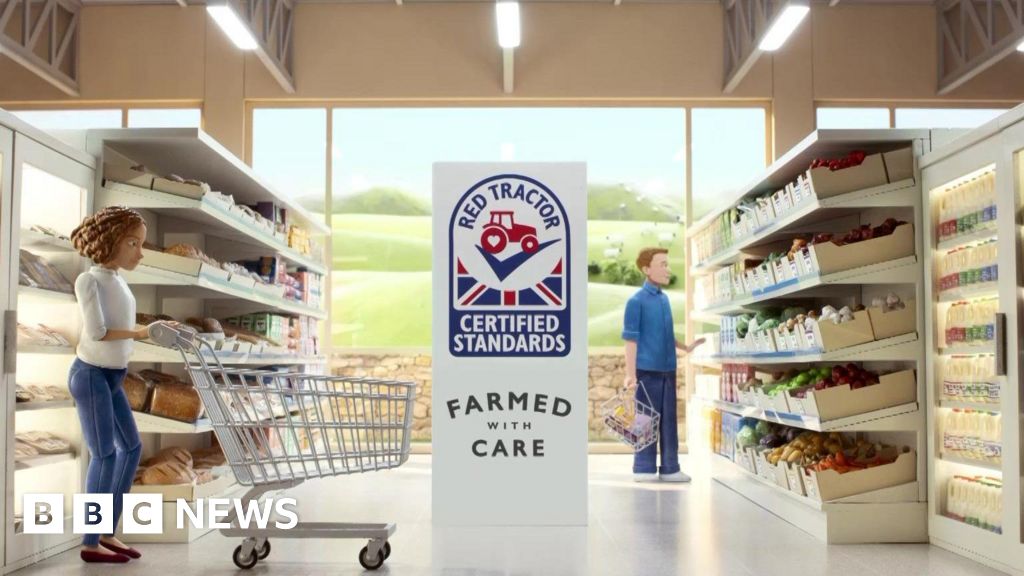
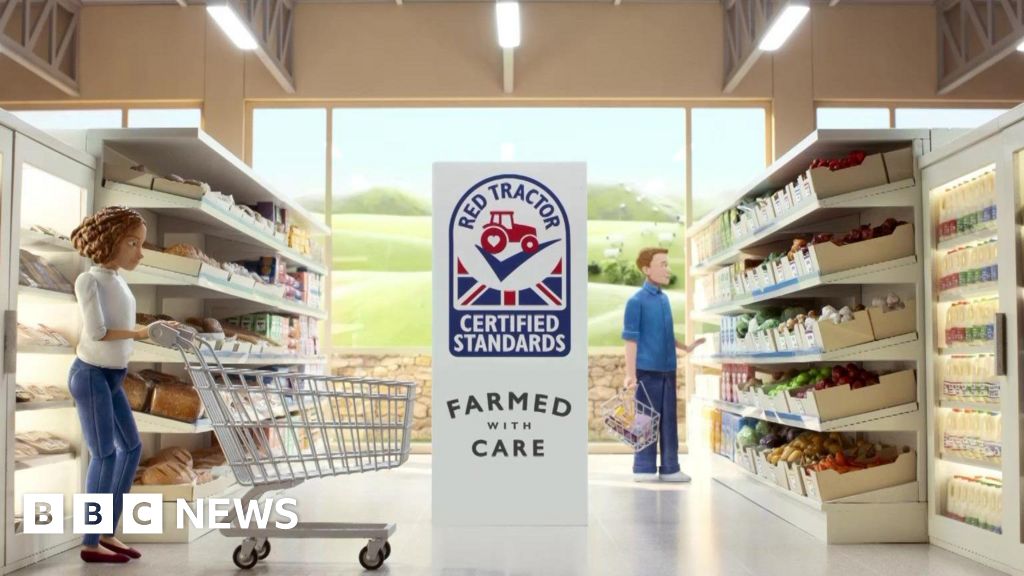
Red Tractor, which certifies approximately 45,000 farms across the UK, is a ubiquitous mark on supermarket shelves, intended to reassure consumers about food safety, animal welfare, and traceability. However, its recent advertising campaign, which ran from 2021 to 2023, came under fire for suggesting a broader commitment to environmental protection than it could substantiate. The advert featured the tagline: "From field to store all our standards are met. When the Red Tractor’s there, your food’s farmed with care," implying a comprehensive standard of care that, according to the ASA, extended to environmental considerations.
The complaint was lodged in 2023 by River Action, an environmental charity dedicated to protecting and restoring the health of UK rivers. The charity argued that the advert led consumers to believe that Red Tractor farms upheld a "high degree of environmental protection." Central to their complaint was a compelling piece of evidence: a 2020 report from the Environment Agency, which explicitly stated that Red Tractor farms were "not currently an indicator of good environmental performance" based on an analysis of environmental law breaches over the preceding five years. This report served as a critical counterpoint to Red Tractor’s implied environmental stewardship.
After an extensive investigation spanning more than two years—one of the longest in the ASA’s history—the watchdog upheld River Action’s complaint. The ASA concluded that Red Tractor had failed to provide "sufficient evidence" that its certified farms consistently met "basic" environmental laws or achieved positive environmental outcomes to justify the claims made in its advertisement. Consequently, the advert was deemed "misleading" and to have "exaggerated" the environmental benefits of the scheme. The ruling means the advert cannot be used again unless its claims are significantly updated and properly substantiated.
River Action welcomed the ASA’s decisive ruling, interpreting it as a clear indictment of Red Tractor’s "greenwashing" tactics. Amy Fairman, head of campaigns at River Action, emphasized the broader implications of the decision. "What this shows is that for their environmental credentials Red Tractor has been misleading the public and their suppliers," Fairman stated, urging supermarkets to critically reassess the products bearing the Red Tractor logo on their shelves. She highlighted the critical importance of challenging such misleading advertising, particularly given the severe environmental threats posed by agricultural pollution.
The detrimental impact of agricultural practices on the UK’s waterways is well-documented. A 2022 report by the Environment Audit Committee underscored that agriculture remains one of the primary factors preventing rivers from achieving good ecological health, affecting a staggering 40% of them. Issues such as slurry runoff, pesticide contamination, and nutrient leaching from fertilisers contribute significantly to water pollution, harming aquatic ecosystems and impacting biodiversity. River Action’s efforts, therefore, aim to ensure that consumers are not misled into believing they are supporting environmentally sound practices when they might inadvertently be contributing to these problems.
In response to the ASA’s ban, Red Tractor has vehemently defended its position, with CEO Jim Moseley calling the watchdog’s finding "fundamentally flawed." Moseley argued that the scheme had not explicitly made any environmental claims in the voiceover or imagery of the advert. He contended that the ASA’s interpretation that a "minority of people" might infer environmental benefits was insufficient grounds for a ban. Moseley clarified Red Tractor’s core mandate: "Red Tractor’s core purpose is food safety, animal welfare, and traceability. Whilst we have some environmental standards, they are a small part. And as a consequence, we leave that entirely to the Environment Agency to enforce environmental legislation."
Perhaps the most startling admission from Red Tractor’s CEO came when he was directly asked if the organisation knows whether its certified farms comply with environmental law. His frank response: "Correct." This statement reveals a significant disconnect between the public perception of the Red Tractor scheme, often promoted as a holistic standard of "care," and its actual operational scope regarding environmental compliance. It suggests that while the logo implies a certain level of overall quality and responsibility, it does not guarantee adherence to basic environmental regulations, leaving that responsibility solely to government bodies like the Environment Agency.
This admission takes on greater significance when contrasted with how major supermarkets promote Red Tractor certified products. Despite Red Tractor’s claim that environmental standards are a "small part" of its focus, retailers frequently link the certification to broader environmental benefits. For instance, at the 25-year anniversary of Red Tractor, Natalie Smith, Tesco’s head of agriculture, remarked that "Red Tractor has established itself as a mark of quality, standing for… environmental protection." Similarly, Morrisons’ website explicitly states that 100% of its fresh pork, beef, lamb, poultry, milk, and cheddar cheese comes from Red Tractor certified farms, giving customers assurance of "environmental protection."
The BBC sought comment from both supermarkets regarding their continued endorsement of the Red Tractor logo in light of the ASA’s ruling. Morrisons declined to provide a response, while a Tesco spokesperson offered a rather generic statement: "We recognise there is still more to do, and it’s essential that the Government and industry work together to drive change." This response, while acknowledging the need for improvement, did not directly address the implications of the ASA’s ban on Red Tractor’s environmental claims or Tesco’s continued use of them. The British Retail Consortium, representing the retail industry, stated that "retailers remain committed to working with Red Tractor," but clarified that the organisation itself owns the scheme, suggesting a degree of shared responsibility but also an arm’s-length relationship regarding its specific standards.
The ASA’s ruling has profound implications for consumer trust and the future of food labelling in the UK. In an era of increasing environmental awareness, consumers are actively seeking products that align with their values, including sustainable and environmentally friendly practices. Misleading claims, whether explicit or implied, erode this trust and make it difficult for consumers to make genuinely informed choices. The concept of "greenwashing" is not merely about false advertising; it undermines genuine efforts by producers who invest in higher environmental standards and makes it harder for consumers to differentiate between products.
For Red Tractor, the ban necessitates a serious re-evaluation of its advertising strategy and potentially its underlying standards. While its primary focus on food safety and animal welfare remains vital, the public and retailers clearly perceive an environmental component, which the scheme currently does not adequately monitor or guarantee. To restore confidence, Red Tractor may need to either explicitly disclaim environmental benefits in its marketing or, more proactively, enhance its environmental standards and verification processes to meet consumer and regulatory expectations.

The saga also places renewed pressure on supermarkets to scrutinise the claims associated with the certification schemes they endorse. As powerful gatekeepers of the food supply chain, their continued promotion of Red Tractor as an indicator of environmental protection, especially in light of the ASA’s ruling and Red Tractor’s own admission, could draw further criticism. This incident highlights a broader challenge for the industry: how to effectively communicate complex agricultural practices and their environmental impacts to consumers in a transparent and truthful manner. It is a stark reminder that in the battle for consumer trust, honesty and substantiated claims are paramount, particularly when it comes to the sensitive issue of environmental stewardship.



 Ramos Leo
 atisusanti
 Nakalama John
 George Anjay

 Roy Suryo