
 George Anjay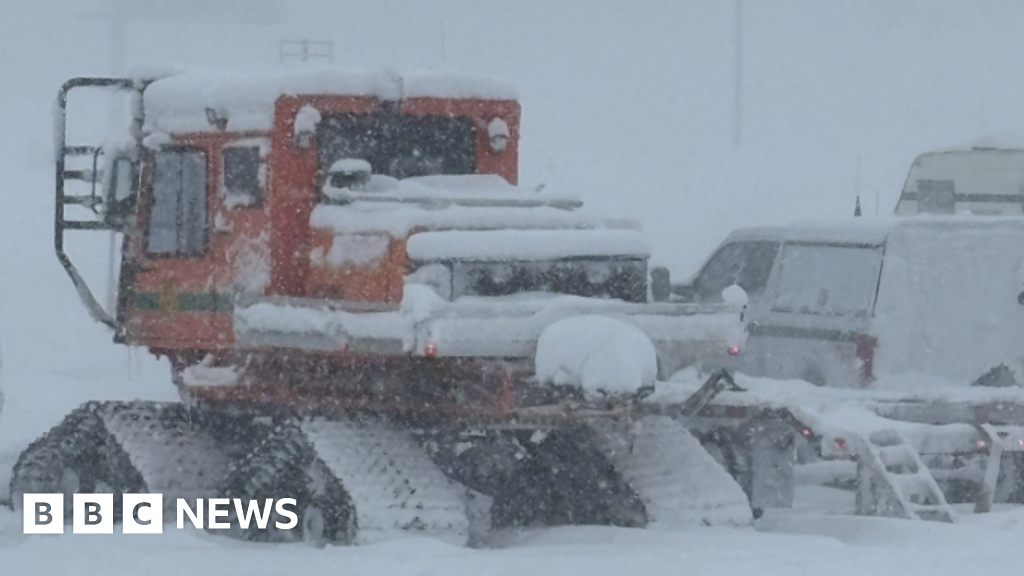
A treacherous winter storm has gripped California’s Sierra Nevada mountains, triggering a massive avalanche that swept away nine backcountry skiers, leaving them missing and feared buried. The harrowing incident unfolded in the rugged Castle Peak area near Truckee, a popular destination for winter sports enthusiasts, on Tuesday afternoon. Authorities confirmed that six other skiers, part of the same group, have been successfully rescued after being stranded by the powerful snow slide.
The Nevada County Sheriff’s Office, coordinating a multi-agency rescue operation, reported the avalanche occurred around 11:30 PST (19:30 GMT). The area remains extremely dangerous, with a "high" avalanche danger rating issued by the Sierra Avalanche Center, indicating a significant risk of further slides. This heightened alert means that large avalanches are expected to occur, potentially running through treed areas, making any travel in, near, or below avalanche terrain strongly discouraged.
Highly skilled rescue ski teams have been deployed from nearby Boreal Mountain Ski Resort and the Alder Creek Adventure Center, working in conjunction with the sheriff’s office. These specialized teams, comprised of experienced individuals trained for such perilous conditions, are braving the elements and the inherent risks to locate the missing skiers. The six rescued individuals were directed to shelter in place as best as possible while awaiting assistance, with two of them requiring hospitalization for injuries sustained during the incident.
Initial reports indicated that a group of 16 individuals, consisting of four guides and twelve clients, were involved in the avalanche. However, this number was later revised to 15. The swift and efficient rescue of the six survivors was a crucial first step, but the focus has now intensely shifted to finding the remaining nine. The sheriff’s office posted an update on Facebook late Tuesday night, confirming the successful rescue of the initial six, underscoring the urgency and scale of the ongoing search.
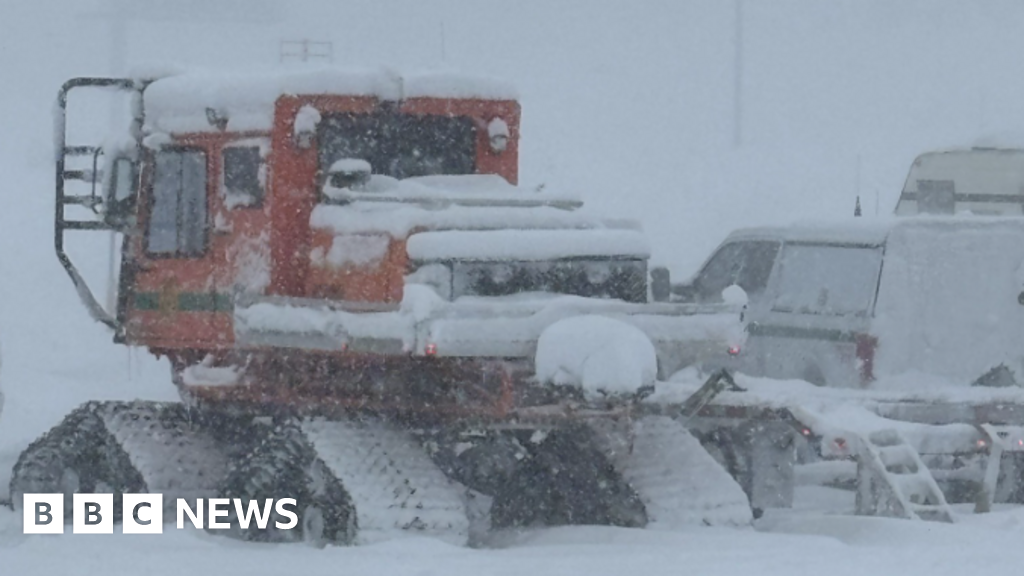
The Nevada County Sheriff’s Office has mobilized an impressive 46 emergency responders to join the rescue efforts. This extensive team includes personnel from various local and state agencies, all working collaboratively to cover the vast and challenging terrain. A specialized vehicle, typically used for grooming snow at ski resorts, was also deployed in an attempt to reach the trapped group, highlighting the unconventional and resource-intensive nature of this rescue mission.
Captain Russell Greene, a spokesperson for the sheriff’s office, described the search for the missing skiers as a "slow, tedious process." He emphasized the significant risk posed to rescuers by the persistent avalanche danger, which necessitates extreme caution and meticulous planning. As of Tuesday evening, first responders, including those on skis, were still attempting to gain access to the avalanche zone. The survivors who were able to shelter were reportedly doing so under tarpaulin sheets, doing their utmost to endure the harsh conditions.
Captain Greene acknowledged that ski tour companies often lead paying customers into backcountry areas, even in challenging weather. While he refrained from making definitive judgments about the decision to ski in such conditions without knowing all the details, he implied that it might not have been the most prudent choice. The governor’s office, led by California Governor Gavin Newsom, has stated that state authorities are actively coordinating a comprehensive search-and-rescue effort with local emergency teams, demonstrating the state’s commitment to resolving this critical situation.
The Boreal Mountain Ski Resort, located in close proximity to the avalanche site, has experienced significant snowfall, reporting 30 inches (76cm) in the past 24 hours alone. This heavy precipitation, combined with strong winds and low visibility, forced the resort to close on Tuesday, further illustrating the severity of the winter storm impacting the region. The treacherous weather has also led to the closure of several major highways, including Interstate 80 and Highway 50, complicating access for rescue personnel and potentially hindering broader relief efforts.
The Sierra Avalanche Center’s forecast paints a grim picture, predicting widespread natural avalanche activity over the next 24 hours. The "high" danger rating is a stark warning to all individuals venturing into the backcountry. Experts have advised against any travel in or near avalanche terrain, emphasizing that large avalanches are expected and could reach through forested areas. This advisory underscores the precarious situation and the immense challenges faced by the rescue teams.
The avalanche itself is believed to have been triggered by the immense weight of fresh snowfall accumulating on unstable layers of snowpack. The sheer force and volume of snow involved in such an event can bury skiers deep beneath the surface, making their detection and extrication incredibly difficult. The depth of the burial, the stability of the surrounding snowpack, and the rapidly deteriorating weather conditions all contribute to the complexity and urgency of the rescue operation.
The remote and rugged nature of the Castle Peak area further compounds the difficulties. This region is known for its steep slopes and challenging terrain, often requiring specialized equipment and extensive mountaineering experience to navigate safely. The isolation of the area means that rescue efforts are heavily reliant on air support and highly trained ground teams, who must contend with the elements while executing their life-saving mission.
As the search continues through the night and into the following days, the hope for the safe return of the nine missing skiers dwindles with each passing hour. The dedication and bravery of the rescue teams are paramount, as they push the boundaries of human endurance and technical expertise in a desperate race against time and the unforgiving forces of nature. The community and the wider public anxiously await any positive developments, united in their concern for the missing skiers and their families. The incident serves as a stark reminder of the inherent dangers of backcountry skiing and the profound respect required when venturing into such volatile environments. The ongoing efforts highlight the resilience and collaborative spirit of emergency services in the face of catastrophic events, as they continue their unwavering commitment to bringing the missing individuals home safely.



 Ramos Leo
 atisusanti
 Nakalama John

 Roy Suryo