George Anjay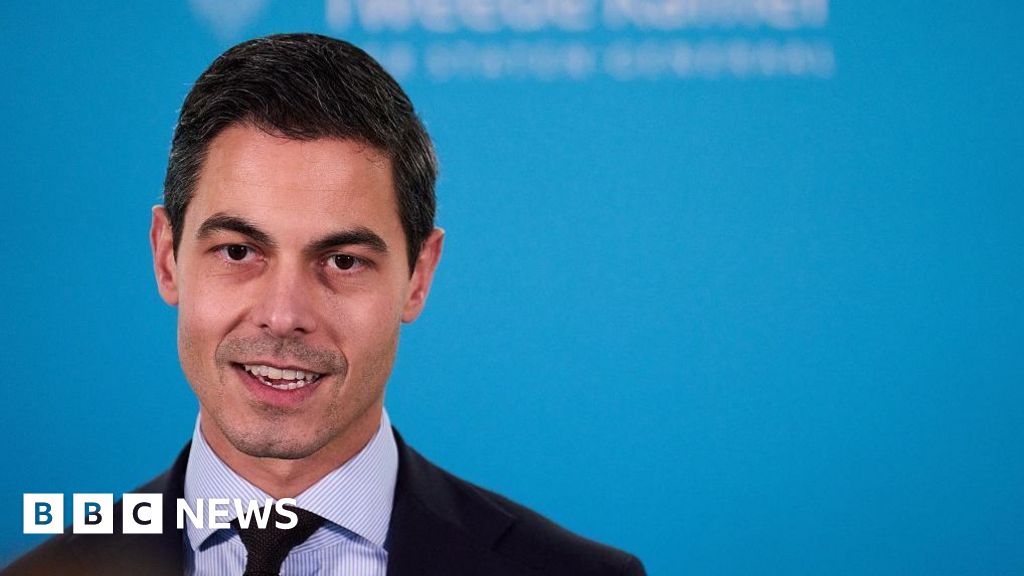
The Netherlands has a new leader at its helm, and he is making history. Rob Jetten, at the age of 38, has been officially sworn in as the nation’s youngest-ever prime minister, a groundbreaking moment not only for his age but also for his identity as the country’s first openly gay head of government. This momentous occasion follows his party’s narrow victory in the October elections, where his Democrats 66 (D66) party edged out the anti-Islam populist Geert Wilders in a fiercely contested race. Jetten’s ascension marks a significant shift in Dutch politics, ushering in a new era characterized by a younger, more progressive leadership.
Jetten’s new administration is a centre-right minority government, formed in coalition with the People’s Party for Freedom and Democracy (VVD) and the Christian Democratic Alliance (CDA). This coalition structure is particularly noteworthy, as it means that every significant policy initiative outlined in the coalition agreement will require careful negotiation and individual parliamentary approval. This includes substantial financial commitments, such as an additional €19 billion (£16.6 billion) allocated to defense spending, alongside potentially challenging austerity measures in healthcare and social benefits. The necessity for such granular consensus-building underscores the delicate balance of power within the Dutch parliament and the challenges Jetten’s government will face in implementing its agenda.
A central pillar of the coalition’s platform is a more stringent approach to asylum migration. The proposed policies aim to reduce the number of asylum seekers entering the country, with a significant shift towards requiring refugees to apply for asylum from outside of Europe, rather than upon arrival. This policy direction is particularly sensitive, given the historical role of asylum migration in destabilizing previous Dutch coalition governments. The nation has witnessed the downfall of its last two administrations, partly due to disagreements and public unease surrounding immigration policies, making this a critical and potentially divisive issue for Jetten’s leadership.
The distribution of ministerial portfolios within the new government reflects the collaborative nature of the coalition. D66 will contribute seven ministers to the cabinet, while the VVD will provide six, and the CDA will appoint five. In addition to these full ministerial roles, each party will also have three state secretaries, who serve as junior ministers responsible for specific policy areas. This division of labor highlights the shared responsibility and the intricate negotiation process that has shaped the composition of Jetten’s government.
The formal swearing-in ceremony took place at the Huis ten Bosch Palace in The Hague, where King Willem-Alexander officially inducted Rob Jetten into his new role. The ceremony, steeped in Dutch tradition, marked the culmination of months of political maneuvering and coalition building. Ahead of the solemn occasion, Jetten shared a personal moment with the public, posting a selfie on the social media platform X. His accompanying message conveyed a sense of pride and commitment: "Proud to be doing this together. In a new phase, with great responsibility and, above all, a shared promise to work for everyone in the Netherlands. By not dwelling on what’s wrong, but by building on what can be improved. That requires courage and collaboration." This heartfelt statement offered a glimpse into Jetten’s personal vision and his desire for a united and forward-looking nation.
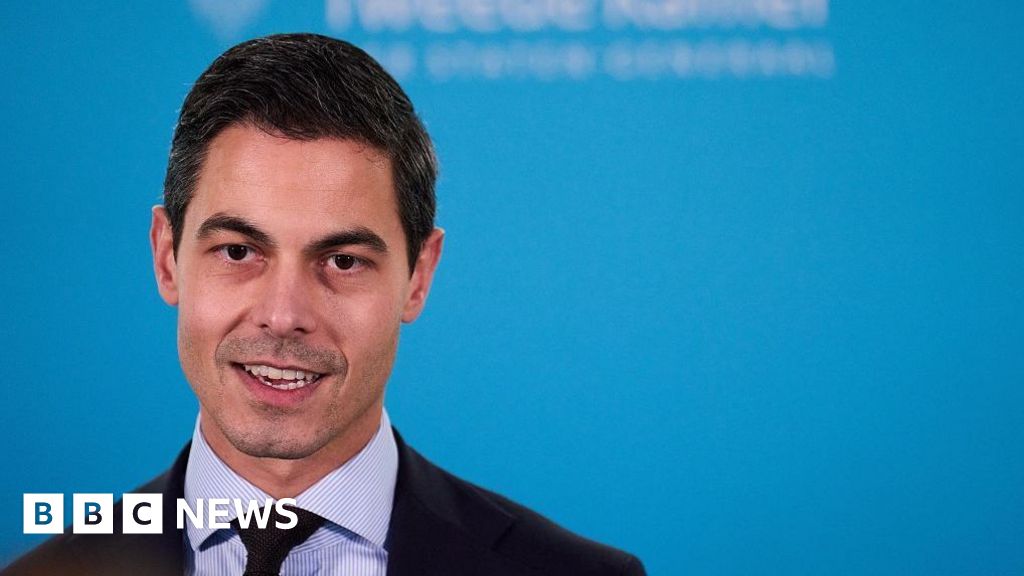
Jetten’s journey to the premiership has been marked by a notable personal evolution. For years, he grappled with the moniker "Robot Jetten," a nickname earned due to his perceived stiff and overly rehearsed public appearances. However, the transformation was palpable on election night. In a vibrant and energetic atmosphere at a music venue in Leiden, Jetten appeared remarkably at ease, exuding confidence and polish as his enthusiastic young supporters cheered him on. This shift in his public persona was a testament to his growth as a political figure, allowing him to connect more authentically with voters.
For many observers and supporters present on election night, Jetten embodied the antithesis of Geert Wilders. He was seen as a younger, optimistic, pro-European Union, and socially liberal figure – a refreshing alternative to the established, older, and hard-right political landscape. This contrast played a significant role in D66’s electoral success, positioning Jetten as a symbol of change and a champion for progressive values. His ability to resonate with a younger demographic and articulate a vision for a modern, inclusive Netherlands was a key factor in his rise.
Standing alongside King Willem-Alexander on the steps of the palace, bathed in the formal atmosphere of the swearing-in, Jetten presented the image of a composed and ready-to-lead prime minister. His official photograph, posted on Instagram shortly after his confirmation, was accompanied by a concise and resolute caption: "Let’s get to work." This brief but powerful statement signaled his immediate focus on governance and his determination to tackle the challenges ahead.
Despite the optimism surrounding Jetten’s appointment, the path forward is not without its obstacles. Geert Wilders, whose party had previously been in coalition talks, has publicly stated his intention to oppose any initiatives put forth by Jetten’s government. This stance from a prominent opposition figure could create significant hurdles for legislative progress. Furthermore, other political parties have already voiced concerns regarding the coalition’s proposed policies.
Jesse Klaver, the leader of the GreenLeft-Labour coalition, the largest alliance in the opposition, has been particularly vocal about the government’s financial plans. He criticized the proposed measures, stating on X, "Ordinary people will pay hundreds of Euros more, while the very richest won’t be asked to pay anything extra. That’s unfair and won’t help the Netherlands move forward. We take responsibility for adjusting these plans. This has to change." This strong statement from a key opposition leader highlights potential areas of conflict and underscores the ongoing need for negotiation and compromise within the Dutch political system. The success of Jetten’s premiership will depend not only on his ability to lead his own coalition but also on his capacity to engage with and potentially find common ground with the opposition, ensuring a more stable and productive political environment for the Netherlands. The nation now watches to see how this youngest-ever prime minister will navigate the complex political landscape and steer the country towards its future.


 Nakalama John
 Roy Suryo
 Nana Banana
 atisusanti