Nakalama John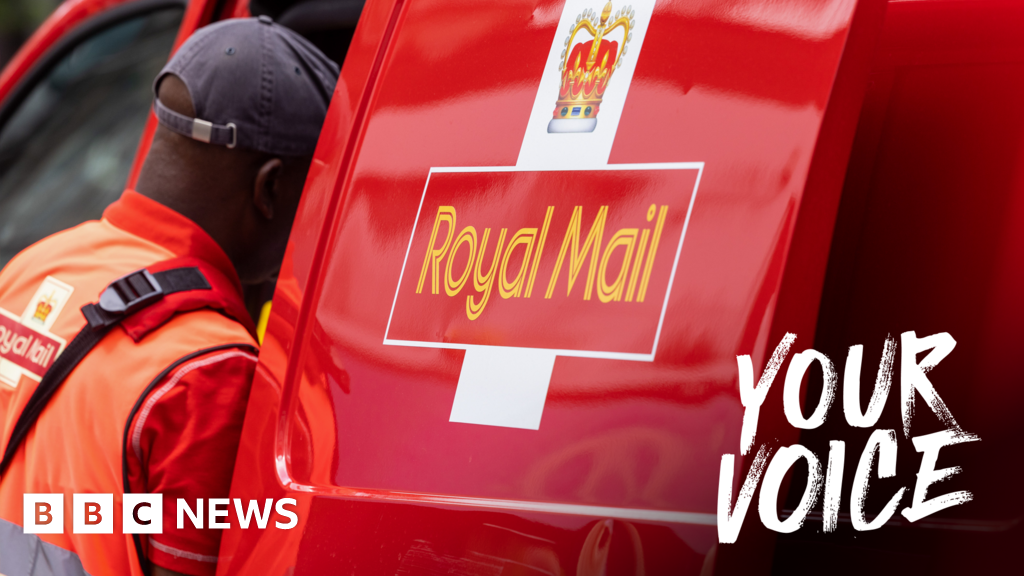
Royal Mail executives are set to face a grilling in Parliament, summoned to provide urgent answers regarding widespread and persistent failures in the firm’s letter delivery service. The Business and Trade Committee, a powerful parliamentary body responsible for scrutinising the government’s departments and policies relating to business and trade, has decided that the deteriorating state of postal services warrants direct intervention, despite an earlier two-week deadline for Royal Mail to respond to allegations still technically being in effect.
The decision follows an alarming surge in complaints and direct representations from the public, coupled with revelations from internal sources suggesting a systemic prioritisation of parcels over letters. The BBC had previously brought these allegations to light, detailing how this operational shift was leading to significant delays for crucial, time-sensitive mail across the UK. Committee chair Liam Byrne has reportedly concluded that the service is in such a poor state that immediate parliamentary scrutiny is indispensable.
The BBC’s "Your Voice" initiative alone received testimonies from hundreds of individuals expressing profound frustration. Many recounted harrowing experiences: missed hospital appointments due to delayed referral letters, the non-receipt of vital documents such as school certificates impacting university applications, and critical bank statements or legal notices arriving far too late to act upon. These personal stories paint a stark picture of a service failing its fundamental duty and causing tangible distress and financial implications for citizens.
Further substantiating these public grievances, more than a dozen Royal Mail postal staff from various delivery offices across the country came forward. They unanimously claimed that daily rounds were being routinely missed, with posties stretched beyond capacity. Their accounts consistently pointed to an institutional directive, whether explicit or implicit, to prioritise the delivery of parcels – a more profitable segment of Royal Mail’s business, facing intense competition from private couriers – at the expense of the universal letter service. This internal testimony provides a crucial, insider perspective on the operational challenges and strategic choices contributing to the current crisis.
Earlier this month, in response to the initial BBC report, the Business and Trade Committee had dispatched a formal letter to Royal Mail’s leadership. This communication demanded a comprehensive response to the allegations within two weeks and sought firm commitments to rectify what the committee described as "chaos" within the postal network. The committee’s letter underscored the gravity of the situation, highlighting concerns that the very bedrock of the UK’s postal service was being undermined.
On Thursday, Committee Chair Liam Byrne articulated the depth of parliamentary concern: "The Committee is very concerned by consistent and growing reports, and now many direct representations, about significant failures in Royal Mail’s letter delivery service." His statement reflects a growing consensus among parliamentarians that the issues extend beyond isolated incidents, pointing instead to a pervasive decline in service standards that demands urgent accountability.
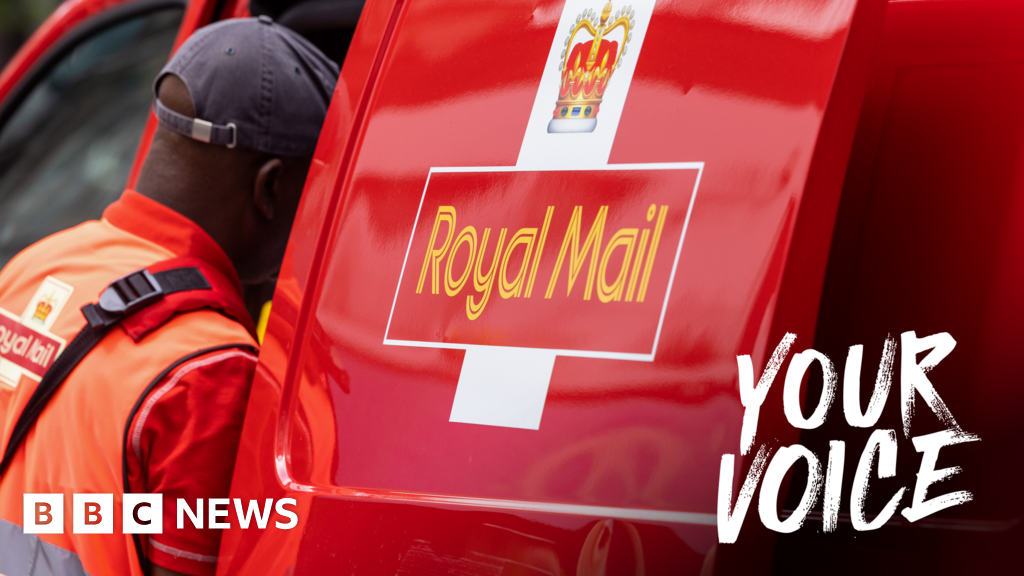
The current woes at Royal Mail are particularly poignant given the company’s recent ownership change. Last April, Czech billionaire Daniel Kretinsky’s EP Group completed its takeover of the historic postal service. At the time of the acquisition, Kretinsky made explicit promises to "put employees and customers at the heart of everything" and, critically, provided a legal undertaking to maintain the Universal Service Obligation (USO). The USO is a cornerstone of the UK’s postal system, mandating Royal Mail to deliver letters to every address in the country, six days a week, at a uniform price, regardless of location. It represents a social contract ensuring equitable access to postal services.
However, just one year into EP Group’s stewardship, Byrne’s pointed remark, "But one year in, even first-class deliveries are way off track," suggests a profound disconnect between the promises made and the reality on the ground. The committee’s summoning of executives is a clear signal that Parliament views this legal undertaking as potentially breached, or at the very least, not being adequately upheld.
In its limited public responses to the BBC’s reporting and the escalating public outcry, Royal Mail has maintained that the "vast majority" of mail is delivered as planned. The company has attributed some of the short-term disruption to factors such as "poor weather and staff sickness," asserting that it is actively working to resolve these issues. However, critics argue that these explanations often serve as recurring excuses that fail to address deeper, systemic problems. The sheer volume and consistency of complaints, alongside internal staff testimonies, suggest that the issues go far beyond temporary disruptions caused by external factors.
The potential implications of these failures are far-reaching. Beyond the immediate inconvenience and distress to individual citizens, a faltering postal service can have significant economic consequences for businesses, particularly small and medium-sized enterprises (SMEs) that rely on mail for invoices, marketing, and essential communications. It also erodes public trust in a vital national infrastructure service that has been a cornerstone of British life for centuries.
Regulatory bodies, such as Ofcom, which is responsible for overseeing Royal Mail’s adherence to the USO, will undoubtedly be watching these parliamentary proceedings closely. Should the committee’s investigation reveal systemic breaches of the USO or a deliberate strategy to downgrade letter services, Ofcom could face pressure to impose stricter penalties or even re-evaluate the terms of Royal Mail’s operating licence. The long-term viability of the USO itself could also come under scrutiny if the current model proves unsustainable under private ownership focused on profit maximisation.
The upcoming parliamentary session promises to be a critical moment for Royal Mail, its new owners, and indeed, for the future of postal services in the UK. Executives will be expected to present a clear, actionable plan to address the delivery failures, restore public confidence, and demonstrate their unwavering commitment to the Universal Service Obligation that underpins their operational mandate. Failure to do so could lead to further parliamentary and regulatory pressure, potentially reshaping the landscape of Britain’s postal service for years to come.



 atisusanti
 George Anjay