George Anjay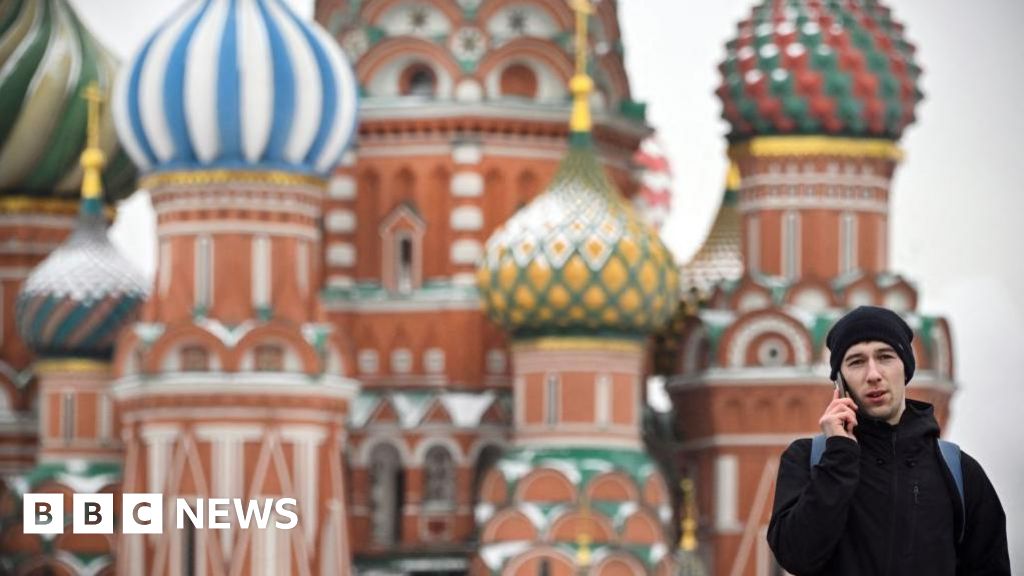
Russia has taken a significant step towards fully blocking WhatsApp within its borders, a move the company states is designed to coerce its over 100 million Russian users into adopting a state-developed surveillance application. This escalation in the Kremlin’s ongoing campaign to exert greater control over digital communications signals a concerning trend for digital freedom and user privacy in Russia. The move by Russian internet regulator Roskomnadzor, which has also recently intensified restrictions on the popular messaging app Telegram, highlights a determined effort to centralize and monitor the flow of information within the country.
The Russian government, through Kremlin spokesman Dmitry Peskov, has indicated a willingness to allow Meta, the parent company of WhatsApp, to resume operations if it complies with Russian law and engages in dialogue. However, Peskov sternly warned that any refusal to cooperate would leave Meta with "no chance" of continuing its services in Russia. This ultimatum underscores Russia’s insistence on absolute adherence to its legal framework, even if it means limiting access to globally used communication platforms.
The crackdown on Telegram, which is widely utilized by Russian forces in Ukraine, has drawn particular attention. Pro-war bloggers have voiced strong objections, lamenting that these restrictions are impeding crucial on-the-ground communications. This suggests that the government’s actions are not solely driven by data localization laws but may also be influenced by strategic military considerations. Russia’s official justification for these measures centers on the assertion that both WhatsApp and Telegram have failed to comply with laws requiring them to store the data of Russian users within the country.
WhatsApp, in response to these developments, has publicly stated its commitment to maintaining user connectivity and has expressed grave concerns about the implications of such actions. The company issued a strong statement, asserting, "Trying to isolate over 100 million users from private and secure communication is a backwards step and can only lead to less safety for people in Russia." This highlights the potential for increased vulnerability and reduced personal security for Russian citizens if they are forced onto less secure or state-controlled platforms.
Adding a layer of long-term strategy to the current actions, state-run news agency Tass reported earlier this year that WhatsApp was anticipated to face a permanent ban in Russia by 2026. This suggests that the current measures are part of a phased approach to gradually phase out foreign messaging applications. Andrei Svintsov, a Russian official, has defended these "harsh measures" as "absolutely justified," citing Russia’s designation of Meta as an extremist organization. This designation, made in 2022, has already led to the blocking of other Meta platforms, including Instagram and Facebook, rendering them accessible only through the use of Virtual Private Networks (VPNs).
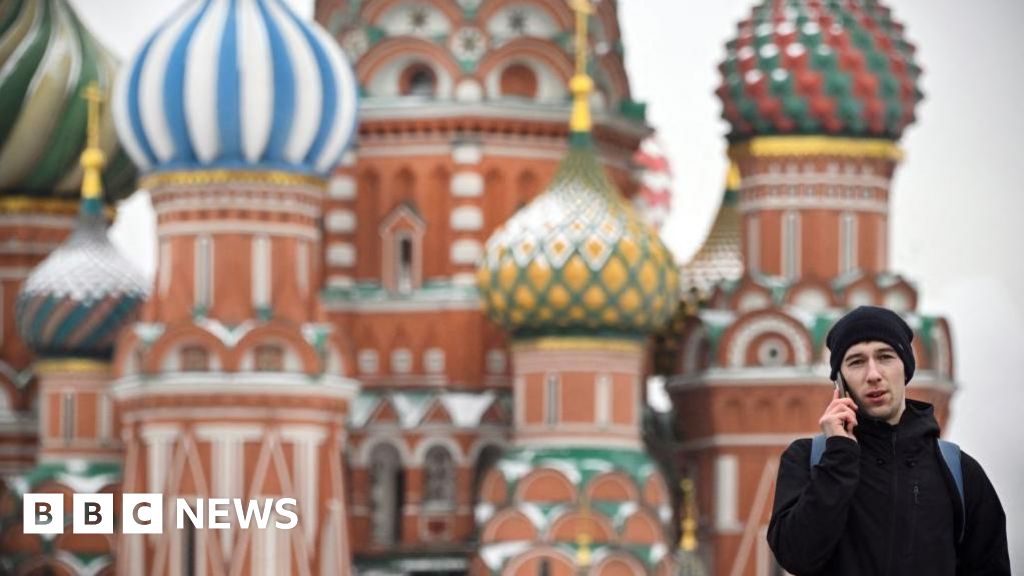
The digital landscape in Russia is undergoing a profound transformation, with Roskomnadzor actively removing websites from the state-run internet address directory, a critical component of the National System of Domain Names (NSDI). The digital rights project Na Svyazi (In Touch) has meticulously documented this process, reporting that popular online resources such as YouTube, Facebook, WhatsApp web, Instagram, the BBC, and Deutsche Welle are no longer listed in the NSDI. This omission effectively renders these sites inaccessible without the use of a VPN, further fragmenting the internet experience for Russian users and pushing them towards state-approved alternatives.
The Russian government’s preferred alternative to these Western messaging applications is the state-developed "Max" app. This platform is being positioned as a comprehensive "super app," drawing parallels to China’s WeChat, which integrates messaging services with a wide array of government functions and services. The mandate for Max app pre-installation on all new devices sold in Russia since 2025, coupled with its compulsory use for public sector employees, teachers, and students, clearly indicates a strategic push for widespread adoption and integration into the daily lives of citizens. This strategy aims to create a controlled digital ecosystem where communication and access to services are channeled through a single, government-supervised platform.
Pavel Durov, the Russian-born businessman and chief executive of Telegram, has been a vocal critic of these developments. He has openly stated that the Russian government’s restrictions on Telegram are an attempt to compel its population to utilize its own surveillance and political censorship app. Durov has drawn parallels to Iran’s similar strategy of banning Telegram and promoting a state-run alternative, noting that citizens in Iran have found ways to circumvent these restrictions. His sentiment, "Restricting citizens’ freedom is never the right answer," encapsulates the core of the debate surrounding these government-imposed digital controls.
The implications of Russia’s move to block WhatsApp are far-reaching, impacting not only individual users but also the broader ecosystem of digital communication and information access. The government’s emphasis on data localization, coupled with its designation of foreign tech companies as extremist organizations, paints a picture of a nation increasingly determined to assert sovereignty over its digital space. This approach, while framed as a matter of national security and legal compliance, raises significant concerns about censorship, surveillance, and the erosion of fundamental freedoms.
The push towards a state-controlled messaging app like "Max" suggests a long-term vision for a more centralized and monitored internet. By integrating messaging with government services and mandating its use across various sectors, Russia is attempting to create a closed digital environment. This could lead to a significant reduction in the diversity of information available to citizens and a heightened risk of surveillance and political manipulation. The effectiveness of such strategies, however, often hinges on the ability of citizens to find workarounds, as demonstrated by the continued use of VPNs and alternative communication channels.
The international community is likely to closely monitor these developments, as Russia’s actions set a precedent for other nations seeking to increase their control over digital platforms. The balance between national security, legal compliance, and the fundamental right to privacy and freedom of expression remains a critical challenge in the digital age. As Russia continues its messaging app crackdown, the future of digital communication for millions of its citizens hangs in the balance, with the potential for a more restrictive and controlled online environment looming large. The ultimate success of these measures will depend on a complex interplay of government policy, technological innovation, and the resilience of users in seeking to maintain their digital freedoms. The ongoing saga of WhatsApp and Telegram in Russia serves as a stark reminder of the growing geopolitical tensions that are shaping the global digital landscape.



 Ramos Leo
 Nakalama John

 atisusanti