Nana Banana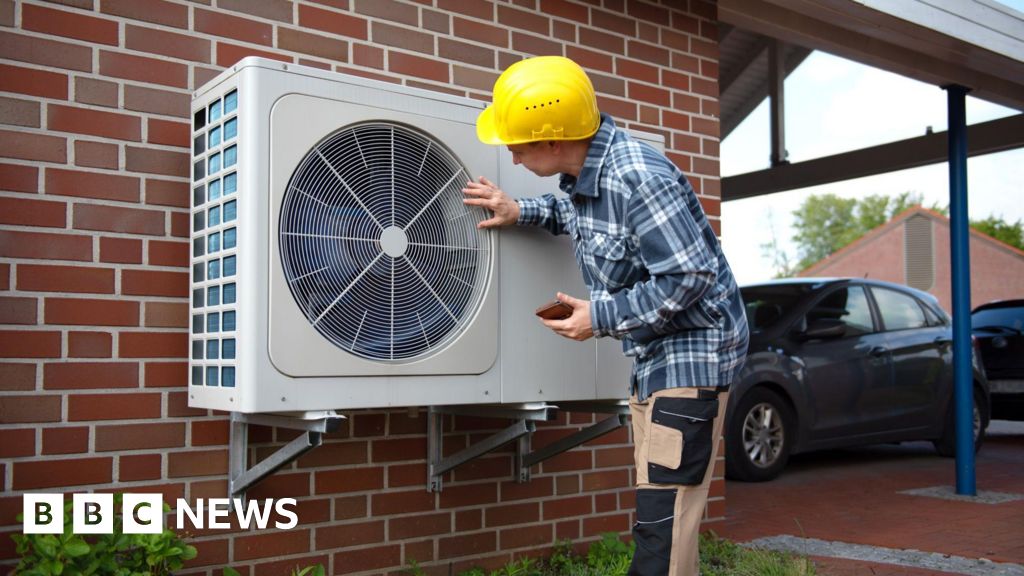
Ministers had outlined a plan that would see a significant ramp-up in the rollout of these low-carbon heating alternatives – a critical component in replacing traditional gas and oil-fired boilers – only after 2035, with the vast majority of installations then needing to be completed within a mere decade. This "risky late 2030s catch-up" is precisely what the CCC fears will prove unfeasible, both in terms of logistical capacity and the urgency required to meet climate commitments.
Climate Action Secretary Gillian Martin has acknowledged the feedback, stating that the government will incorporate it, alongside the results of a recent public consultation, into the final iteration of its climate change plan. However, the CCC’s message remains unequivocal: immediate action is paramount.
Nigel Topping, the committee’s chair, underscored the Scottish government’s significant powers in achieving the necessary reductions in greenhouse gas emissions. "Low carbon home heating is a critical part of Scotland’s transition, and the next decade will be decisive for supply chains," Topping stated. "Current plans for buildings are too slow and rely on a risky late 2030s catch-up. Scotland needs to accelerate the roll-out of heat pumps now." His comments highlight a crucial window of opportunity that, if missed, could make future targets exceedingly difficult, if not impossible, to achieve without drastic and potentially disruptive measures.
The assessment forms a central part of the CCC’s comprehensive report to the Scottish Parliament, which evaluates the nation’s progress in curbing planet-warming greenhouse gas emissions. The committee has also been meticulously scrutinizing the Scottish government’s draft climate change plan, a document intended to outline the policies and actions required to hit its legally binding targets. A significant observation from the report is that the majority of emissions reductions achieved to date have largely stemmed from the decarbonisation of the energy sector, a process primarily led by the UK government. However, the CCC emphasizes that the bulk of the remaining cuts will need to originate from sectors where policy powers are explicitly devolved to Scotland, such as home heating, underscoring the Scottish government’s direct responsibility and influence in these areas.
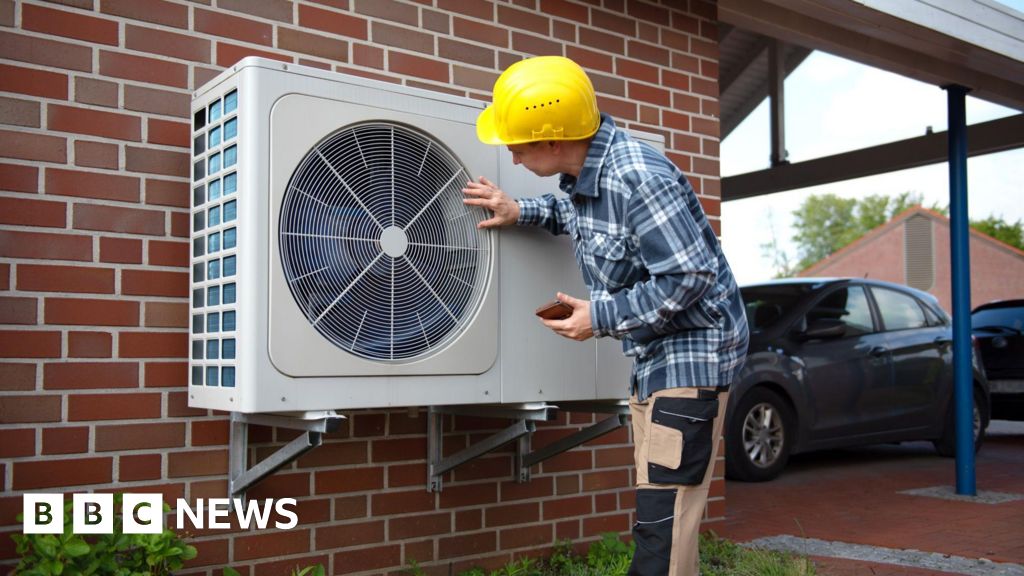
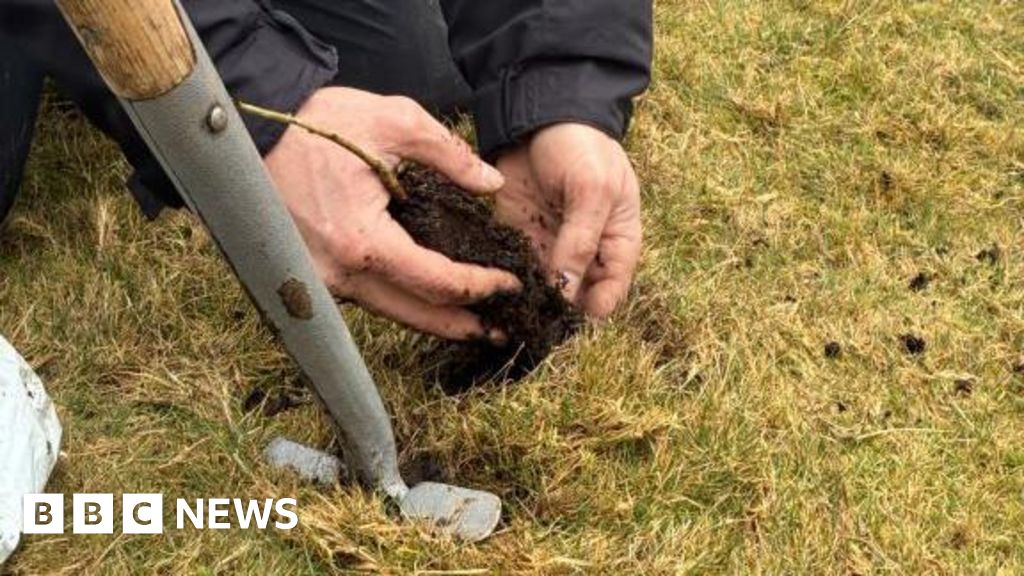
Heat pumps are widely recognised by climate experts and policymakers as the most effective and efficient technology for decarbonising the heating of buildings, playing an indispensable role in achieving net-zero goals. These innovative systems operate on electricity and function by drawing a small amount of heat from the ambient air, ground, or water, which is then amplified through a refrigeration cycle using heat exchangers. Unlike traditional fossil-fuel boilers, they do not combust fuel on-site, thus producing no direct carbon dioxide emissions.
A common misconception is that heat pumps are only suitable for warmer climates. However, global examples powerfully debunk this myth. Colder Scandinavian countries, including Norway, Sweden, and Finland, boast some of the highest rates of heat pump installations worldwide. Their success demonstrates that even in regions experiencing harsh winters, heat pumps can effectively and efficiently provide warmth, particularly when integrated with well-insulated properties. The efficacy of heat pumps, especially those operating at lower flow temperatures over longer periods, is significantly enhanced by robust insulation, which prevents heat from escaping and maximises energy efficiency. This critical requirement means that efforts to accelerate heat pump adoption must be intrinsically linked with initiatives to improve building fabric efficiency across Scotland’s housing stock.
Scotland has indeed made some headway in heat pump adoption, currently leading the rest of the UK with an encouraging 18% increase in installations between 2023 and 2024. While this growth is positive, the CCC’s latest progress report unequivocally states that this momentum must be built upon and significantly accelerated. The committee’s central concern is that the "plans to deliver the scale-up required to meet climate change targets are currently missing." This lack of a concrete, detailed roadmap for rapid deployment is a major stumbling block.
Further reinforcing this point, the research charity Nesta has provided a specific target for Scotland, estimating that approximately 110,000 heat pumps need to be installed during the next Scottish parliamentary term. Robin Parker, from Nesta Scotland, explained the rationale behind this figure, stating that such a number "would support steady growth of the heat pump industry in Scotland without kicking the can down the road so that unrealistically rapid change is needed in the future." This highlights the importance of a phased, yet ambitious, approach to avoid future bottlenecks and unsustainable pressure on the nascent supply chain.
In a broader policy shift, the Scottish government has recently replaced its previous annual climate targets with carbon budgets, which define the maximum volume of greenhouse gases that can be emitted over five-year periods. This move, which brings Scotland’s methodology into line with how other UK governments measure emissions, offers greater flexibility by allowing for natural annual fluctuations, such as higher gas demand for home heating during exceptionally colder winters, without immediate target failure. The image depicting a winter scene with snow-covered cars serves as a visual reminder of how weather patterns can directly influence energy consumption and, consequently, annual emissions.
Beyond home heating, the CCC’s assessment report also offered praise for certain areas of Scotland’s climate action. Ministers were commended for demonstrating "impressive growth" in the public charging infrastructure for electric vehicles. A target to provide 6,000 charge points by 2026 was remarkably met two years ahead of schedule. However, this positive achievement was tempered by observations that the distribution of these charge points across Scotland remains uneven, and overall satisfaction levels among users "could be substantially improved."
Similarly, progress has been noted in increasing woodland and peatland areas, which serve as vital natural carbon sinks, absorbing carbon dioxide from the atmosphere. Yet, even in this area, the report identified a significant drawback: "stop-start funding." This inconsistent financial support, according to the CCC, creates uncertainty for projects and developers, ultimately damaging the long-term viability and growth of essential supply chains needed for these nature-based solutions.
Conservation charity WWF Scotland joined the chorus of concern, with its director Lang Banks asserting that ministers must "significantly improve their plans if they were to be seen as credible." He warned of the cascading negative impacts of delay, stating, "The more we delay, the more we add to the climate crisis and the longer people have to wait for the benefits of lower energy bills, warmer homes, healthier air and nature recovery." Jamie Livingstone, head of Oxfam Scotland, echoed this sentiment, adding, "Progress, albeit against weakened climate ambition, is undoubtedly positive, but beneath the surface lies a clear warning: long-term plans lack credibility, cash and a clear route to delivery." These statements from leading environmental and social justice organisations underscore the broad consensus among civil society that the current pace is inadequate.
A notable development in this context is the Scottish government’s decision to scrap a commitment to introduce legislation on decarbonising heat in buildings during the current parliamentary term. The new timeline now indicates that such legislation will be pursued "as early as possible in the next parliamentary session, should the SNP be returned to power." This deferral of a critical legislative step further compounds the concerns raised by the CCC and other stakeholders about the pace and ambition of Scotland’s decarbonisation efforts.
Despite the criticisms, Climate Action Secretary Gillian Martin reiterated the comprehensive nature of the draft climate change plan, which was published in November and includes over 150 proposed actions. She articulated the government’s vision, stating, "It also describes how we will seize and fairly distribute the opportunities from the transition to net zero – from new jobs, inclusive growth and better infrastructure to improved public services and healthier people – thanks to cleaner air, warmer homes and wealthier communities." While the Scottish government paints a hopeful picture of a just transition, the CCC’s report serves as a stark reminder that these benefits can only be realised through concrete, accelerated action. The next decade will undoubtedly be a pivotal period for Scotland, determining whether its climate ambitions translate into tangible progress or fall victim to a pace deemed "too slow."


 Roy Suryo
 atisusanti
 Nakalama John
 George Anjay