
 atisusanti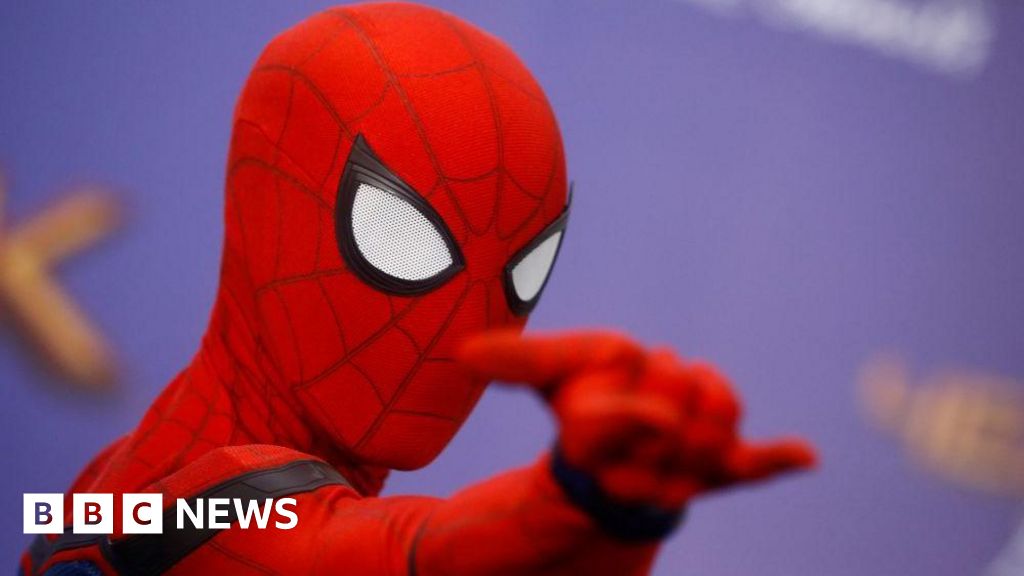
In a significant development poised to reshape the landscape of artificial intelligence and intellectual property, Chinese tech behemoth ByteDance has pledged to rein in its controversial AI video-making application, Seedance, following a strong legal challenge from The Walt Disney Company and mounting pressure from other major entertainment players. The move comes as AI-generated content, particularly that mimicking copyrighted characters and performances, continues to proliferate online, raising complex questions about ownership, originality, and the future of creative industries.
The controversy intensified in recent days with the widespread circulation of videos created using the latest iteration of Seedance, Version 2.0. These AI-generated clips have garnered attention for their striking realism, often depicting beloved characters from major franchises in novel scenarios. However, this realism has come at a cost, directly triggering a potent legal response from Disney.
On Friday, Disney dispatched a stern cease-and-desist letter to ByteDance, the parent company of TikTok. The letter explicitly accused ByteDance of furnishing Seedance with a "pirated library" of Disney’s copyrighted intellectual property. This alleged repository included iconic characters from globally recognized franchises such as Marvel Comics and Star Wars, as well as figures from various animated productions. Disney’s legal team did not mince words, characterizing ByteDance’s actions as a "virtual smash-and-grab" of their valuable creative assets. This aggressive legal posture underscores Disney’s commitment to safeguarding its extensive portfolio of intellectual property, which forms the bedrock of its vast entertainment empire.
Responding to the escalating concerns, ByteDance issued a statement to the BBC on Monday, acknowledging the gravity of the situation. "We respect intellectual property rights and we have heard the concerns regarding Seedance 2.0," the company stated. "We are taking steps to strengthen current safeguards as we work to prevent the unauthorised use of intellectual property and likeness by users." While ByteDance has committed to enhancing its protective measures, the company declined to provide specific details regarding the nature of these safeguards or the timeline for their implementation. This lack of transparency has led to continued scrutiny from industry stakeholders.
Seedance, much like other sophisticated generative AI tools, operates by creating video content based on concise text prompts provided by users. The application’s ability to generate highly detailed and often eerily accurate representations has fueled its rapid adoption. Since the launch of its 2.0 version on February 12th, numerous videos leveraging real actors, shows, and characters have gone viral, sparking both admiration for the technology and alarm over its potential misuse.
The BBC’s investigation has uncovered several examples of clips purportedly generated by Seedance. These include dynamic sequences featuring Star Wars characters Anakin Skywalker and Rey engaged in lightsaber duels, and a scene depicting Marvel’s Spider-Man confronting Captain America amidst a bustling New York City backdrop. The visual fidelity of these clips highlights the advanced capabilities of the AI model. However, ByteDance has remained tight-lipped about the specific datasets used to train Seedance, a crucial piece of information for understanding the origins of its generative power and potential copyright implications.
This is not the first time ByteDance has faced scrutiny regarding intellectual property and its AI tools. Previously, the company had stated that the product had already disabled the feature allowing users to upload images of real people, a measure aimed at mitigating some of the privacy and likeness concerns. At that time, ByteDance also reiterated its commitment to respecting intellectual property rights and copyright protections, emphasizing that it takes any potential infringement seriously. However, the recent legal threats suggest these measures were insufficient to address the core issues.
Disney’s legal action is part of a broader wave of criticism and concern emanating from Hollywood and other creative sectors regarding the unchecked proliferation of AI-generated content that potentially infringes on existing copyrights. The Motion Picture Association (MPA), a powerful industry lobbying group representing major studios such as Warner Bros. Discovery, Paramount, and Netflix, has joined the chorus of opposition. The MPA has formally demanded that the Seedance tool "immediately cease its infringing activity," highlighting the industry’s unified front in addressing this emerging challenge.
Adding to the pressure, the actors’ union, Sag-Aftra, has also voiced its strong disapproval, accusing Seedance of "blatant infringement." The union’s stance reflects the concerns of performers whose likenesses and performances could be replicated and manipulated by AI without their consent or compensation, potentially impacting their livelihoods and the value of their creative work.
The ramifications of Seedance’s alleged copyright violations extend beyond Hollywood. The Japanese government has also initiated an investigation into ByteDance concerning potential copyright infringements. This probe was prompted by the appearance of AI-generated videos featuring popular Japanese anime characters on online platforms, raising concerns about the protection of unique cultural assets and the intellectual property of Japanese animation studios.
The legal challenges faced by Seedance are indicative of a larger trend. Other AI image and video-generation tools have similarly found themselves entangled in legal battles over copyright. Last year, Disney, in conjunction with NBCUniversal, filed a lawsuit against AI image generator Midjourney. The studios accused Midjourney of producing "endless unauthorized copies" of their copyrighted works, a case that is still ongoing and could set significant legal precedents. Disney has also reportedly approached Google with a request to restrict the generation of its characters on Google’s AI platforms, indicating a proactive strategy to protect its intellectual property across various AI ecosystems.
The Seedance controversy serves as a stark reminder of the urgent need for robust legal frameworks and ethical guidelines to govern the rapidly evolving field of artificial intelligence. As AI technologies become more sophisticated and accessible, the lines between inspiration, imitation, and infringement will continue to blur, necessitating a delicate balance between fostering innovation and protecting the rights of creators. The outcome of these legal disputes and ByteDance’s response to the mounting pressure will undoubtedly play a crucial role in shaping the future of AI-generated content and its relationship with the established creative industries.




 Ramos Leo
 Nakalama John

 George Anjay