 atisusanti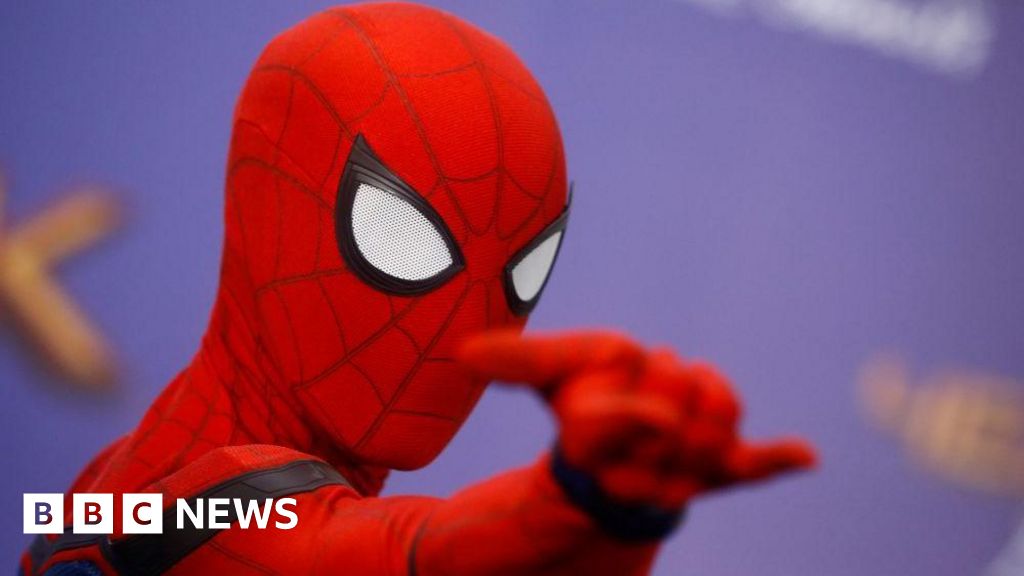
Chinese technology giant ByteDance is facing escalating pressure from a coalition of entertainment industry heavyweights, including Disney, to rein in its controversial artificial intelligence (AI) video-making tool, Seedance. The company has pledged to implement stronger safeguards and curb the app’s capabilities following threats of legal action and accusations of widespread intellectual property infringement. The controversy highlights the growing tension between the rapid advancements in generative AI and the established legal frameworks protecting creative content.
In recent days, videos generated by the latest iteration of Seedance, version 2.0, have flooded online platforms, drawing both admiration for their striking realism and significant criticism for their alleged reliance on pirated copyrighted material. The app, which allows users to create videos from simple text prompts, has demonstrated a remarkable ability to produce content featuring recognizable characters and scenarios from popular franchises. This has directly led to a strong rebuke from Disney, which on Friday issued a formal cease-and-desist letter to ByteDance.
Disney’s legal team accused ByteDance of supplying Seedance with a "pirated library" of the studio’s intellectual property, explicitly naming characters from iconic franchises such as Marvel Comics and Star Wars. Lawyers for the entertainment behemoth characterized ByteDance’s actions as a "virtual smash-and-grab" of their valuable creative assets, which extend to beloved superheroes and characters from various animated series. The letter underscored Disney’s commitment to protecting its extensive library of characters and stories, which form the bedrock of its global entertainment empire.
Responding to the mounting pressure, ByteDance stated on Monday, "We respect intellectual property rights and we have heard the concerns regarding Seedance 2.0." The company further elaborated that it is "taking steps to strengthen current safeguards as we work to prevent the unauthorized use of intellectual property and likeness by users." However, ByteDance declined to provide specific details regarding the nature of these new safeguards or the timeline for their implementation, leaving many to speculate about the true extent of their commitment to rectifying the situation.
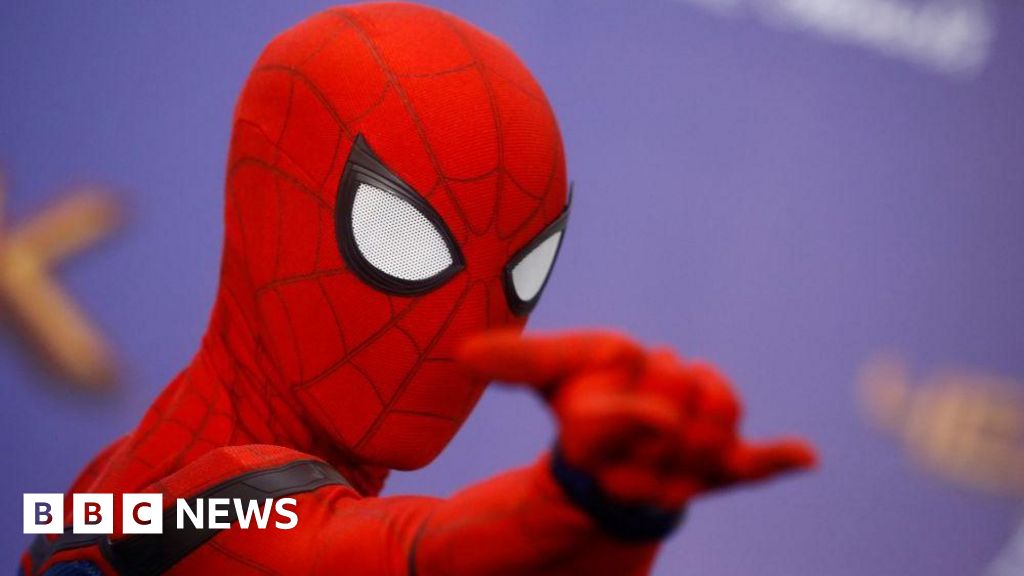
The core functionality of Seedance, like other generative AI tools, lies in its ability to translate textual descriptions into visual content. The latest version, released on February 12th, has seen a surge in viral clips, many of which are derived from existing media and feature real actors or established characters. The BBC has independently verified the existence of online clips purportedly generated by Seedance that depict iconic Star Wars characters, such as Anakin Skywalker and Rey, engaged in lightsaber duels, and even a scenario where Spider-Man clashes with Captain America on the streets of New York. The rapid proliferation of such content raises significant questions about the training data used by Seedance, a detail that ByteDance has yet to disclose.
This is not the first time ByteDance has faced scrutiny regarding Seedance’s use of user-uploaded content. The company had previously indicated that it had already paused the ability for users to upload images of real people, suggesting a reactive approach to addressing concerns. At that time, ByteDance reiterated its respect for intellectual property rights and copyright protections, emphasizing that it takes any potential infringement seriously. However, the latest accusations from Disney and other studios suggest that these existing measures were insufficient.
The situation with Seedance echoes broader trends in the AI industry and its interactions with Hollywood. Just last year, Disney entered into a substantial $1 billion deal with OpenAI, the creator of ChatGPT and the advanced video-generation tool Sora. This agreement grants OpenAI access to a vast library of approximately 200 characters from Disney’s diverse franchises, including Pixar, Marvel, and Star Wars, indicating Disney’s willingness to engage with AI development under controlled conditions.
Disney’s legal threat to ByteDance is part of a larger wave of opposition from various entertainment organizations. Paramount Skydance, another prominent Hollywood studio, has reportedly also sent a cease-and-desist letter to ByteDance, demanding that Seedance cease its use of their content. Paramount Skydance has been approached for comment, but has yet to issue a public statement. The Motion Picture Association (MPA), a powerful industry body representing major US studios such as Warner Bros Discovery, Paramount, and Netflix, has also joined the fray, demanding that the tool "immediately cease its infringing activity."
The actors’ union, Sag-Aftra, has been equally vocal, accusing Seedance of "blatant infringement." Their concerns are particularly acute given the potential for AI-generated content to displace human actors and devalue their work. The ripple effects of Seedance’s alleged transgressions are not confined to the United States. The Japanese government has initiated an investigation into ByteDance over potential copyright violations, following the appearance of AI-generated videos featuring popular Japanese anime characters online.
The legal challenges faced by Seedance are indicative of a wider pattern of litigation targeting AI image and video generation tools. Last year, Disney, alongside NBCUniversal, filed a lawsuit against AI image generator Midjourney, alleging that the platform was producing "endless unauthorized copies" of their copyrighted works. That case remains ongoing, highlighting the complex legal battles that are likely to define the future of AI and intellectual property. Furthermore, Disney has also proactively engaged with technology giants like Google, requesting that they restrict the generation of its characters on Google’s AI platforms, signaling a multi-pronged strategy to safeguard its valuable intellectual property in the evolving digital landscape. The Seedance controversy represents a significant escalation in this ongoing conflict, with ByteDance now under immense pressure to demonstrate a genuine commitment to respecting copyright in the age of artificial intelligence.



 George Anjay
 Ramos Leo
 Roy Suryo
 Nakalama John